The word was coined as early as the seventeenth century[4] and derives from two Greek words, kákistos (κάκιστος, ‘worst’) and krátos (κράτος, ‘rule’), together meaning ‘government by the worst people’.
The word incept is a verb that means to begin, start, or take in and absorb something . It comes from the Latin word incipere, meaning to begin or undertake. While its noun form, inception, is common, the base verb is used in a few specific ways. [1, 2, 3, 4]
Meanings of Incept
To Begin: To start or initiate a project, process, or organization.
To Ingest: To take in, absorb, or receive substances (like food or nutrients) into a living organism.
Academic Tradition: An old British university term (mainly at Oxford or Cambridge) to graduate or receive a master’s or higher degree with the right to teach.
Pop Culture/Slang: To plant an idea secretly in someone’s mind so they think it is their own idea, popularized by the movie Inception.
Thaumaturgy comes from Ancient Greek roots meaning “wonder-working”: thaûma (miracle or marvel) and érgon (work). [1, 2]
Greek Roots
Thaûma (θαῦμα): Meaning miracle, marvel, or wonder (from the genitive root thaûmatos).
Ergon (ἔργον): Meaning work, labor, or action.
Thaumatourgía (θαυματουργία): The combined ancient Greek noun translating literally to “miracle-working” or “performing wonders”. [1, 2, 3, 4]
Historical Timeline in English
Late Latin: The related term thaumaturgus (wonder-worker) was used historically to describe Christian saints or mystics possessing divine powers. [1, 2]
16th Century: Root concepts and early variations entered English usage during the Renaissance (such as in John Dee’s 1570 mathematical preface) to describe astonishing acts or mechanical marvels. [1]
Early 18th Century: The exact modern noun form thaumaturgy established itself in English dictionaries (recorded around 1727) to mean the active performance of miracles, magic, or sacred wonder-working. [1, 2]
Theurgy is a specialized branch of ritual practice and white magic defined literally as “god-work“, aimed at invoking deities, purifying the soul, and achieving union with the divine (henosis). [1, 2, 3, 4]
Key Concepts of Theurgy
Etymology: Derived from the Greek words theos (god) and ergon (work). [1]
Goal: Unlike standard petitionary prayer, theurgy seeks to elevate the human soul so it can commune with or be receptive to higher divine powers. [1, 2]
Historical Roots: Deeply tied to late antique Neoplatonism (promoted by philosophers like Iamblichus) as a method to bridge the gap between mortal finitude and divine infinity. [1, 2]
Practices: Included structured rituals, meditations, sacred chants, and the use of sympathetic ritual objects to invite divine presence. [1, 2]
If you’d like, I can provide more details on:
Neoplatonic philosophy behind the practice
How it differs from thaumaturgy (practical/wonder-working magic)
Historical figures like Iamblichus who shaped the concept
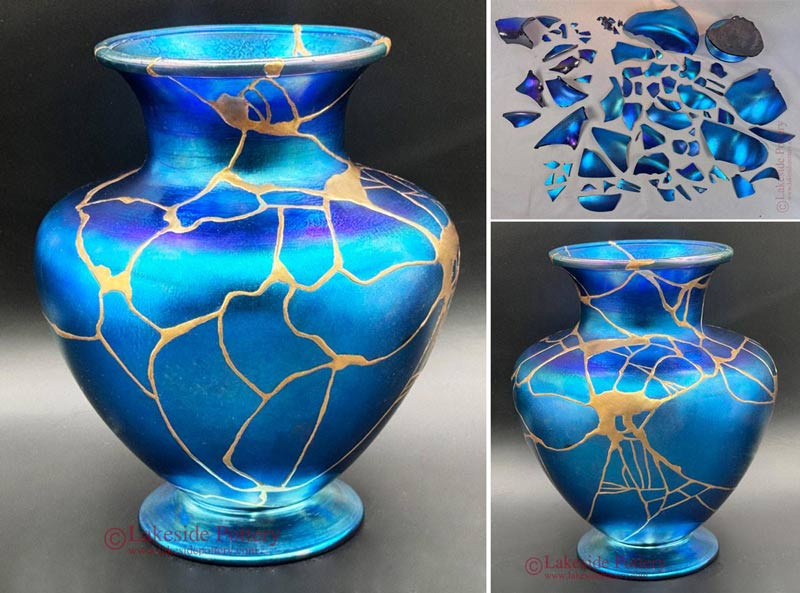
Kintsugi is the traditional Japanese art of repairing broken pottery using a special tree-sap lacquer mixed with powdered gold, silver, or platinum. Instead of hiding the cracks, this method highlights them to celebrate an object’s unique history and scars. [1, 2, 3, 4]
Philosophy and Meaning
Wabi-sabi: Finding beauty in things that are imperfect, impermanent, and incomplete.
Mottainai: Feeling regret when something is wasted, leading to the reuse or repair of items.
Life lesson: Teaching us that our own wounds and repairs make us stronger and more valuable rather than broken. [2, 3, 5, 6]
Repair Methods
Crack method: Using gold dust and lacquer to glue clean breaks and hairline cracks back together.
Piece method: Filling a missing missing chunk or hole entirely with gold and lacquer resin.
Joint-call method: Using a mismatched piece from another broken object to patch a hole, creating a unique hybrid item. [3]
An augur stands behind the covered Numa Pompilius at an auspicium ceremony to look at the sign from the birds on whether Numa was fit to be the future king of Rome. Engraving: Bernhard Rode, 1768-69
auspicate
PRONUNCIATION:
(AW-spi-kayt)
MEANING:
verb tr.: To begin an undertaking, especially with a ceremony intended to bring good luck.
ETYMOLOGY:
From Latin auspex (one who observes birds), from avis (bird) + -spex (watcher), from specere (to look). Earliest documented use: 1604.
NOTES:
Etymologically speaking, to auspicate is to birdwatch. In ancient Rome, an official called an auspex or augur looked for divine approval by observing birds: how they flew, called, or fed. Because, naturally, whether the birds pecked with gusto could decide whether an army marched, an election proceeded, or everyone went home kibitzing.
Professional bird-omen consultants are scarce today, but the market for the future remains crowded: tarot-card readers, palm readers, and other vendors of Delphic mumbo-jumbo are still ready to take your money and, in return, tell you what the universe allegedly meant to say.
Related words include auspices. and auspicious. The word inaugurate is also related: Latin inaugurare meant to take omens from birds, or to consecrate or install when the omens were favorable.
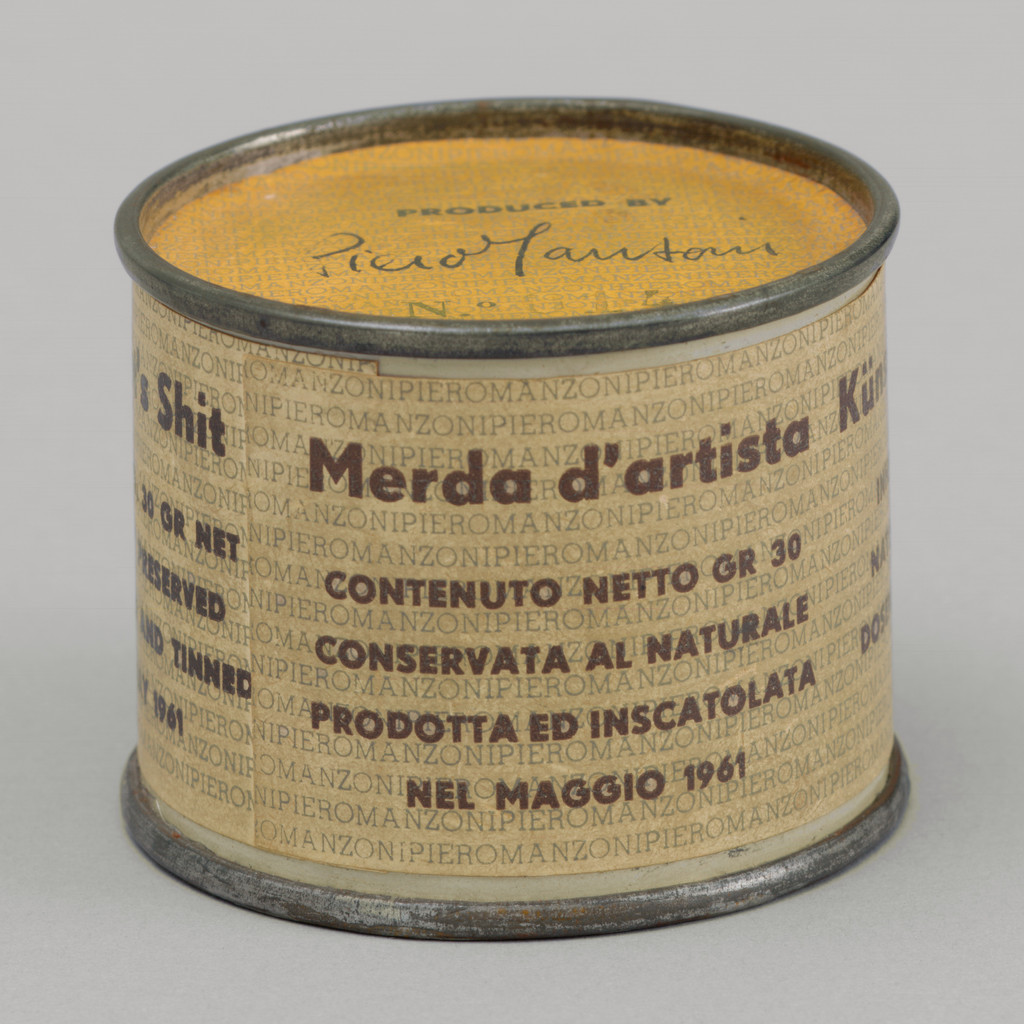
noun: 1. The scientific study of excrement. 2. Pornographic material. 3. Language, literature, or art dealing with excretory matters in a prurient or humorous manner.
“Beatitude” means supreme blessedness or supreme happiness.
Etymologically, the word derives from the Latin noun beātitūdō (“happiness” or “blessedness”). This is built from the Latin adjective beātus (meaning “happy” or “blessed”) and the suffix -tūdō. The term was famously used in the Latin translation of the Bible (the Vulgate) for the blessings delivered by Jesus during the Sermon on the Mount. Wiktionary, the free dictionary +3