

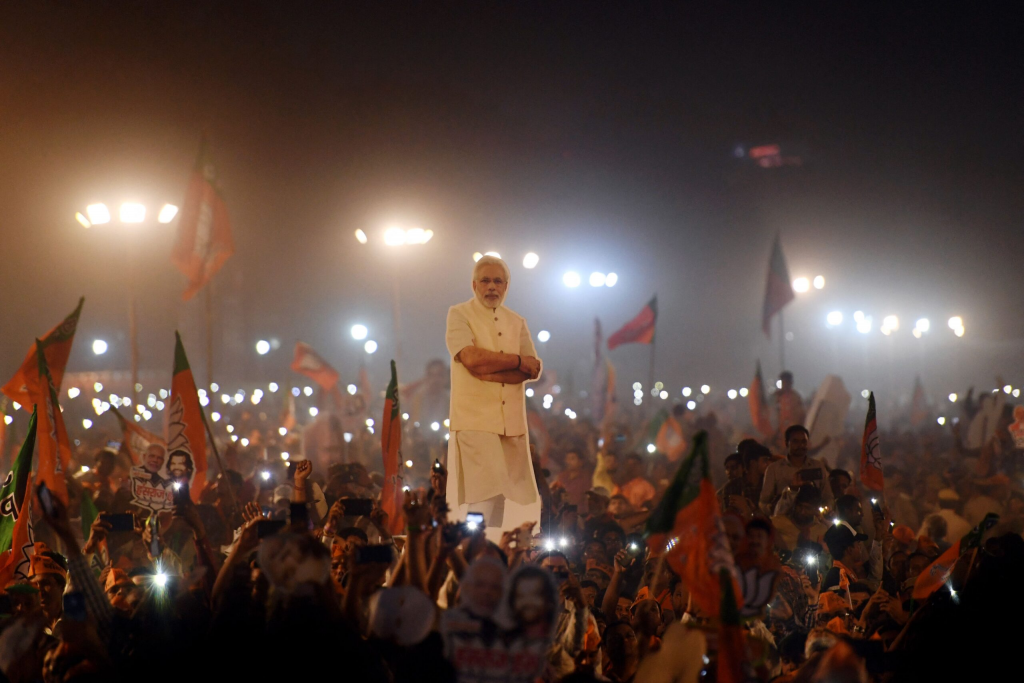
| Can India’s Democracy Be Saved? When India’s chief justice compared unemployed young people to “cockroaches,” he did not expect them to embrace the name. The satirical Cockroach Janta Party has quickly evolved from an online joke into a massive youth uprising, forcing the first cabinet resignation of Narendra Modi’s twelve years in power. But with government promises still unmet and the unrest spreading, the movement is set to return to the streets on September 5. The following Journal of Democracy essays examine India’s democratic decline under the BJP — and what the students’ revolt reveals about the spaces still open for citizens to fight back. Free to read for a limited time. |
| Inside Modi’s Assault on Academic Freedom Narendra Modi and his ruling BJP have developed the textbook attack on India’s universities and centers of free thought. It offers a vital warning for other countries where higher education is in danger. Nandini Sundar Why India’s Democracy Is Dying Under Narendra Modi, India is maintaining the trappings of democracy while it increasingly harasses the opposition, attacks minorities, and stifles dissent. It can still reverse course, but the damage is mounting. Maya Tudor How to Stop India’s Authoritarian Slide The BJP is ruling with a heavier hand than ever before, attacking opponents and silencing critics. Ironically, these may be the ideal conditions for a democratic revival—if the opposition seizes the moment. Rahul Mukherji How India’s Ruling Party Erodes Democracy The BJP has won two successive national elections, but it refuses to respect the rights of Muslims. Is democracy on a collision course with liberalism? Ashutosh Varshney The Rise of India’s Second Republic While he did not achieve the sweeping victory many predicted, Narendra Modi led his ruling coalition to a third consecutive victory. In so doing, he is laying the foundation for a new political order in which India is simultaneously more democratic and more illiberal. Milan Vaishnav |
| The Journal of Democracy is published quarterly in January, April, July, and October. Subscribe now for full access to our archives. |
