
A Reason To Smile
| Dan Rather and Team Steady Jul 19, 2026 |
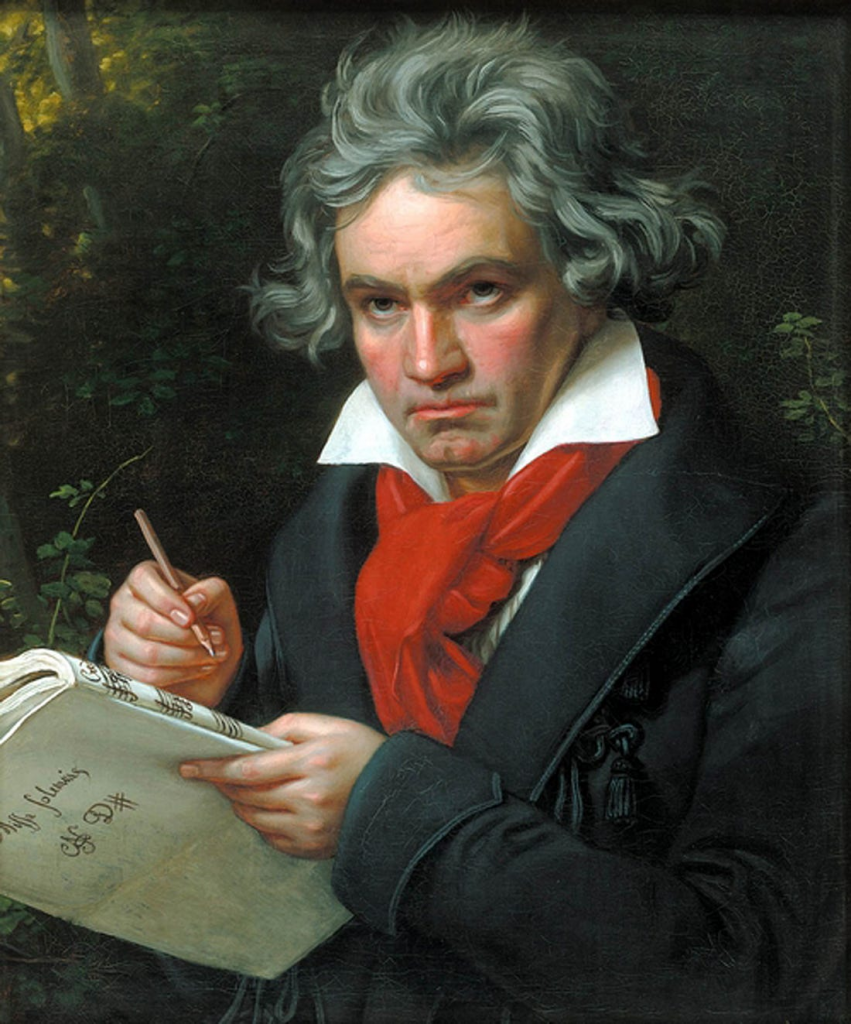
Credit: Getty Images
This week, we are going pretty far off the Rather ranch for our reason to smile. We decided to delve into the world of classical music. And what better piece of music to summon a smile than Ludwig van Beethoven’s most triumphant and jubilant masterpiece, his Symphony No. 9.
The Ninth, also known as “Ode to Joy,” was the first major symphony written with parts for singers — soloists and a chorus. Beethoven set his choral symphony to Friedrich Schiller’s poem “Ode to Joy,” with additional lyrics by the composer.
The symphony is more than an hour long. If you have the time, I encourage you to listen to the whole glorious thing. But it is the last movement that is arguably the most powerful and profound. The final crescendo makes one feel invincible.
Please enjoy Dutch conductor Andre Rieu and his orchestra performing the Beethoven classic in the Netherlands.
Beethoven composed The Ninth between 1822 and 1824, when he was almost completely deaf. His hearing loss was slow and agonizing, beginning in 1798 when he was just 28 years old. By that time, he was such an accomplished pianist and composer that he had developed a mastery of music theory and a highly trained ear. This allowed him to continue composing masterpieces for almost thirty more years.
When he wrote his ninth and final symphony, although he couldn’t hear the notes, he could feel them. Beethoven wrote about feeling the vibrations the notes made on the piano. And he could “hear” the music in his head.
“Ode to Joy,” usually performed in the original German, celebrates commonality, unity, and the triumph of joy over hardship. We leave you with an English translation.
Oh friends, no more of these sounds!
Let us sing more cheerful songs,
More full of joy!
Joy!
Joy, bright spark of divinity,
Daughter of Elysium,
Fire-inspired we tread,
Thy sanctuary!
Thy magic power reunites
All that custom has divided;
All men become brothers,
Under the sway of thy gentle wings.
Whoever has created an abiding friendship,
Or has won a true and loving wife,
All who can call at least one soul theirs,
Join in our jubilation!
Yes, and anyone who could not,
Should steal away weeping from this gathering.