
Lizzy & the Triggermen Jul 24, 2017 Update #2: Wow, overwhelmed by the recent love for this video! For those who want to support our music, you can purchase it directly on our website (link below). FYI, “When That Man Is Dead and Gone” is on our recent album, Live at Joe’s Pub. Huge thanks to all of who recently purchased it! We are in the process of working on our new album, which has plenty more tunes with this vibe ???? https://lizzyandthetriggermen.com/store Update #1: here’s the released track in case anyone would like. I like this take even better ???? https://open.spotify.com/track/6jcm3o… In 1941, Irving Berlin wrote a powerful protest song about Hitler. It’s only been recorded a few times – most memorably by the incredible Al Bowlly (who, tragically, was killed in a Nazi airstrike only 2 weeks after recording it). Our Lizzy & the Triggermen arrangement is by the amazing Dan Barrett (with lots of loving homage to the Bowlly version). We did this in a live take. Vocal: Lizzy Shaps Trombone/Arrangement: Dan Barrett Alto Sax: Nate Ketner Clarinet: Brian Clancy* Trumpet: Corey Gemme Drums: Gareth Price Bass: Nick Ornelas Piano: Chris Dawson Guitar: Luca Pino Violin: Benedikt Brydern *subbing for Jim Jedeikin Filmed by: Rich Rosen and Stefan Silvers Recorded by: Thomas Cassetta at the Village Recorder Produced by: Zach Sinick Special thanks to our amazing Indiegogo patrons for making these videos possible, Lauren Shell, Robin, everyone at the Village Recorder esp Jeff for the cookies ;)! For more info about Lizzy & the Triggermen – visit our website www.lizzyandthetriggermen.com For info on shows like our FB page: www.facebook.com/lizzyandthetriggermen Or email: lizzyandthetriggermen@gmail.com
Monthly Archives: January 2026
The U.S. and the Holocaust Episodes 1-3

“The Golden Door” (Beginnings-1938)
After decades of maintaining open borders, a xenophobic backlash prompts Congress to pass its first laws restricting immigration. Meanwhile, in Germany, Hitler and the Nazis begin their persecution of Jewish people, causing many to try to flee to neighboring countries or America. Franklin Roosevelt and other world leaders are concerned by the growing refugee crisis but fail to coordinate a response.
Part 1 | Full Length 128m 43s

“Yearning to Breathe Free” (1938-1942)
As World War II begins, Americans are united in their disapproval of Nazi brutality but divided on whether to act. Some individuals and organizations work tirelessly to help refugees escape. Meanwhile, Charles Lindbergh and isolationists battle with Roosevelt to try to keep America out of the war. Germany invades the Soviet Union and secretly begins the mass murder of European Jews.
Part 2 | Full Length 137m 35s
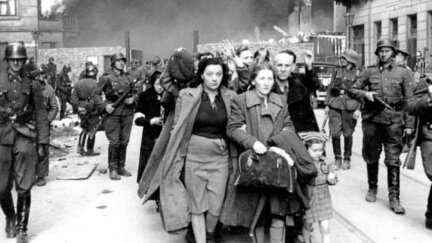
“The Homeless, Tempest-Tossed” (1942 – )
A group of dedicated government officials fights red tape to finance and support rescue operations. As the Allied soldiers advance, uncovering mass graves and liberating German concentration camps, the public sees for the first time the sheer scale of the Holocaust and begins to reckon with its reverberations.
Part 3 | Full Length 130m 51s
Book: “Reflections on Violence”

Reflections on Violence
Georges Sorel, T.E. Hulme (Translator), J. Roth (Translator) …more
Sorel developed an original and provocative theory on the positive, even creative, role of myth and violence in the historical process. Sorel was a civil servant who fervently believed that only the clearest and most brutal expression of class war could effect lasting social change. This, his most important work, is a passionate outcry for the socialist overthrow of society.
Reflections on Violence first appeared as a series of articles in Le Mouvement Socialiste in 1906; it appeared in book form two years later, and translations extended its influence around the world. Sorel addresses the factors underlying revolutionary movements and examines the roles of violence (the revolutionary denial of the existing social order) and force (the state’s power of coercion). He further explores sources of political power, the weapons of revolutions — the insurrection and the general strike — and the significant role of “myths” in recruiting and motivating potential revolutionaries.
About the author
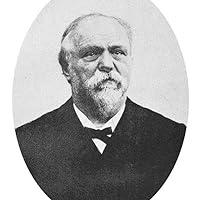
Georges Sorel
The relationship between euphoria and anxiety
Euphoria and anxiety are related, as intense anxiety can paradoxically cause temporary euphoria (a “rush”) when the brain releases endorphins to cope with or recover from stress, panic, or a “fight-or-flight” state. They may also coexist when sensory triggers, such as in misophonia, cause both intense, anxious irritation and, for some, a paradoxical “tingly” euphoric sensation.
Key Connections Between Euphoria and Anxiety:
- Release Valve: After a period of high anxiety, panic, or stress, the brain may release endorphins, causing a feeling of euphoria or intense calm as a relief mechanism.
- Coping Mechanism: Euphoria can act as a psychological escape from chronic anxiety or overwhelming stress.
- Neurophysiological Overlap: Both conditions activate similar, intense nervous system responses. Anxiety often produces a “fight or flight” response, which can be linked to other, more intense sensory experiences.
- Misophonia/Sound Sensitivity: While certain sounds can trigger anxiety, they can sometimes also trigger a paradoxical “tingly” euphoria (ASMR), with some studies indicating both conditions share genetic links and may co-occur, Right as Rain by UW Medicine.
Essential Differences:
- Nature of Emotion: Anxiety is characterized by worry, fear, and tension, ADMSEP. Euphoria is defined as an intense state of happiness or excitement.
- Impact: While anxiety is generally a negative, high-stress state, euphoria can be a fleeting, intensely positive (though sometimes disorienting) feeling.
Ilhan Omar: Profile in Courage
Vilayat Inayat Khan on intellectual understanding

Word-built World: verbicide
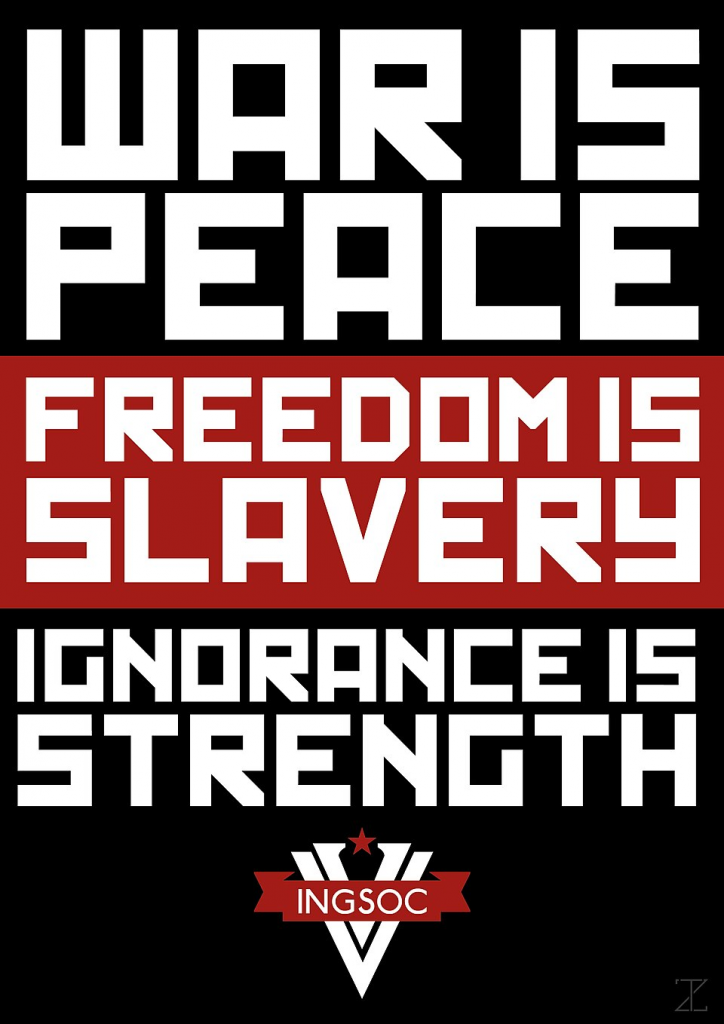
Image: Wikimedia
A.Word.A.Daywith Anu Garg
verbicide
PRONUNCIATION:
MEANING:
noun:
1. The deliberate distortion or destruction of the meaning of a word.
2. A person who deliberately distorts the meaning of a word.
ETYMOLOGY:
From Latin verbum (word) + -cide (killing). Earliest documented use: 1826.
Anais Nin on the possibility of joy

Portrait in the 1970s by Elsa Dorfman
“One discovers that destiny can be diverted, that one does not have to remain in bondage to the first wax imprint made on childhood sensibilities. Once the deforming mirror has been smashed, there is a possibility of wholeness. There is a possibility of joy.”
~ Anais Nin
Angela Anaïs Juana Antolina Rosa Edelmira Nin y Culmell was a French-born American diarist, essayist, novelist, and writer of short stories and erotica. Born to Cuban parents in France, Nin was the daughter of the composer Joaquín Nin and the classically trained singer Rosa Culmell. Wikipedia
Born: February 21, 1903, Neuilly-sur-Seine, France
Died: January 14, 1977
ICE Issues Ransom Note Demanding $65 Billion If U.S. Wants To See Minnesota Again

Published: January 27, 2026 (TheOnion.com)
WASHINGTON—Claiming the nation’s beloved North Star State was in peril, Immigration and Customs Enforcement issued a ransom note Tuesday that told the United States to pay $65 billion if it ever wanted to see Minnesota again. “The $65 billion should be placed in an unmarked federal appropriations bill—if it isn’t, that will be the end of your precious Minnesota,” read the note, a handmade letter assembled from magazine clippings and sent with what ICE claimed was the severed finger of Minnesota Gov. Tim Walz. “One protester will be killed every hour on the hour until our funding demands are met. The clock is ticking for the nation to finance the construction of new detention centers and provide recruitment bonuses for agents. In the meantime, it would be a shame if anything were to happen to the Land of 10,000 Lakes.” The ransom note went on to state that explosives had already been placed in population centers across Minnesota and would be detonated if the country attempted to scale back funding for the Department of Homeland Security.
The AI Democracy Dilemma

 The AI Democracy Dilemma As AI continues to advance at a mind-boggling speed, citizens worldwide are incorporating it into their daily lives. Yet at the same time, bad actors — from criminal networks to aspiring autocrats — now have more tools at their disposal to engineer the people’s will and undermine democracy. As David Altman writes in the latest issue of the Journal of Democracy, “By flooding the public square with synthetic persuasion, fragmenting shared discourse, and overpowering traditional civil society, AI risks creating a system that is more plebiscitary than deliberative, more efficient than legitimate, and ultimately, more destabilizing than stabilizing.” The good news is that there are ways to avert these threats. Read Altman’s essay and the Journal’s other coverage of AI’s impacts on democracy, free for a limited time.The AI Democracy Dilemma A revolution in political participation is underway: Political players and advocacy groups are using AI to draft ballot initiatives, gather signatures, and persuade voters—undermining democratic legitimacy in the process. David Altman |