The true knowledge or science
which exists nowhere but in consciousness,
has no other entity at all besides intelligibility;
and therefore whatsoever is clearly intelligible,
is absolutely true.
~ Ralph J. Cudworth

By Suzanne Deakins, H.W., M.
Consciousness cannot be either conveyed in speech or silence. It is in that state between that its transcendental nature is apprehended.
Reading about consciousness and studying the great scholars can only take you to the edges of insight. For consciousness to be understood there has to be an opening and surrendering to the Tao of it. It demands discipline and training. Because the Tao of any idea is infinite and abstract, formless, no definition, no quantitative outline can bring it into a working reality for the seeker. The nature of the Tao of Consciousness is in its longevity. The training must embody the ancient ideas as well as the evolutionary results of the unfoldment of mind.
The infinite manifestation of consciousness allows us to know that the Tao is different for each generation, each person as they explore within. It is not enough to read about consciousness, to attain a working reality the mind must be trained and focused as well as freed from unrelated concepts and desires.
Translation is the training that brings the mind to intuitive grasp the Tao of Consciousness. If the seeker is disciplined it brings them to a place of surrendering to the ancient process embodied within practice. Translation is neither old nor new. It exists as all Taos do in a spaceless, formless reality of mind. The metaphors we use to describe life are transcendental and as infinite in their definition as life itself. We can only hope that the pictures we paint with words and thought connect to another.
The training is Translation, the discipline is the use and practices. Translation is an extension of the art of living. The rules and principles of Translation have their origin in heaven (the place in mind where the creator source, consciousness, resides). The practice of it is an earthly reality that allows the beauty, harmony, and peace to be experienced. Translation removes humanity (those who practice) from intransigence to the beauty, and harmony of that which is so in the nature of reality.
© 2022 Suzanne Deakins
The Raw, Strange Magic of Finding Your Purpose of Being
*Tao is the unseen flow of life behind all that is and is not.
‘Please define everything…’
This short documentary is built around a single question posed in 2005-6 to scientists working at the NASA Space Sciences Laboratory at the University of California, Berkeley: ‘Do you think science can understand everything?’ Most of them pause or take a deep breath before venturing out on such thin ice. From seeking clarity on the meaning of the question, to weighing careful, nuanced answers, to relative certainty one way or the other, their perspectives provide a fascinating window on to the varying motivations and world views of scientists working at the frontiers of human knowledge.
Directors: Ruth Jarman, Joe Gerhardt
Website: Semiconductor Films
8 November 2019 (aeon.co)

Photo by Peter Marlow/Magnum
Jana Byarsis an academic director at the School for International Training. Her research centres on sex, gender, and family construction in early-modern and modern Europe. She is the author of Informal Marriages in Early Modern Venice (2018), the editor of Monsters and Borders in the Early Modern Imagination (2018), and the translator of Girolamo Benzoni’s 1565 travel narrative The History of the New World (2017). She lives in Amsterdam.
Edited by Sam Haselby
21 March 2022 (psyche.co)
Among all the ways sexual behaviour could be categorised, gender object choice might just be the worst. When asked about their sexual identity, almost everyone would respond with their gender object choice (GOC). That is, they would tell you the sex or gender of the human with whom they habitually want to engage in sexual activity. In GOC, a person is reductively defined by the people with whom they would like to engage in overt, clear sexual activity. All of one’s sexuality coalescing into one moment in which someone opts to engage in intercourse? That seems uncomfortably constricting. Are you really just who you want to get sexy with? Even as a lot of folks are embracing nonbinary identities, trans bodies and generally being queer, the Victorian idea of sexual identity being primarily about sexual orientation lingers. Aside from concerns about gender as a spectrum in which homo (from the Ancient Greek for ‘the same’) and hetero (from ‘the other’) do not hold up so well anymore, GOC relies on object choice. A system that relies on intercourse, and GOC as its totem, not only limits what can be considered as sexual activity, it limits the time in our lives we are permitted to be sexual and allows space to criticise commonplace behaviour.
Teenagers experience a sexuality best termed as experimental. Today’s teens are very open about it. In a 2019 study, around 20 per cent of teenagers considered their sexual orientation to be ‘fluid’ based on what they find attractive for sexual purposes, as they understand sex. Some young adults are also less likely to constrain the activities they consider under the rubric of ‘sex’ and may have multiple partners at one time or engage in various forms of kink. Colleges and vibrant urban environments can provide plenty of other willing partners, and the late teens and early 20s can be a very wild time. I think that, at this age, what we might call sexual exploration should be considered a sexual identity.
The majority of people are not likely to ever live a lifestyle reminiscent of a late-1970s swinger movie. A few more women than men are likely to report a change in their GOC by their late 20s – there is very little work on the habits of nonbinary people yet – but many people, regardless of gender, are going to pair up in their late 20s and early 30s, and nest. Moving in, building a life together, perhaps having children, and generally settling down are signs of modern adulthood. I think we can also consider this life stage as well to be a sexual identity.
It matters not what gender the partner is; what matters is that someone is partnered
Many previously sexually active people will partner by their early 30s and start families. If they have children, their sex life will be put on hiatus as all their energy goes into keeping tiny humans alive. Cohabitating couples who choose not to have children still report less frequent sex with their partners, due to habituation or some other condition. Many people spend this liminal time between youth and middle age in exclusive relationships with ever-decreasing sex. There are countless jokes about this stage of life in media from Hollywood blockbusters to Huggies commercials, and multiple industries to manage the perceived problems. Couples go to therapy. Self-help gurus and snake-oil salesmen offer the secret to rekindling the romance, as if what the parental romance needs isn’t just a good nap. But the truth of it is that people in committed relationships, especially those who are married, also report greater satisfaction with their partner than they did earlier. Less sex and all, coupled people seem to be comfortable with a little midlife cool-down.
For many people in this building stage – with all the exhaustion, divided attention, joy and satisfaction that goes along with parenting – this midlife cool-down reflects the realities of an individual’s desires and needs considerably better than any category based on the genitalia or identity marker of the person with whom they might like to be intercoursing, if they had the energy for that. Humans have entered a quieter stage in which the pleasures of the flesh demand much less attention than before. It matters not what gender the partner is; what matters is that someone is partnered.
Erectile dysfunction, plummeting oestrogen levels and general bodily deterioration tend to limit the enjoyment, and thus the frequency, of penetrative intercourse. The activities that seniors might enjoy broaden to involve more manual and oral stimulation, and may involve intimacy that is less embodied and more emotional. Once again, the gender identity or sexed body of the partner has considerably less impact, and tells us just as little about the sexual needs and habits of the person in question.
Because of the rather transient nature of modern young people, particularly their willingness to try on a number of identities and sexual practices, their experiments are often labelled ‘phases’ in the most dismissive of terms. Lesbianism is commonly written off as a ‘phase’ for a college undergrad if she marries a man and reproduces, one more LUG (‘lesbian until graduation’) or ‘hasbian’ statistic. But this dismisses those same-sex desires, focusing instead on the years of hetero marriage that might well be relatively unsatisfactory in quantity and quality when compared with earlier undergraduate escapades.
When our bodies fail us, when we eventually become disabled, as we all will, does that mean our sexuality was never real?
One possible reason for this dismissal is the phenomenon of compulsory heterosexuality, or comphet (pronounced ‘komp-Het’), the assumption that all people are hetero, that hetero is normal, and that deviance from that standard is, indeed, deviant. Indeed, this is a factor, as is compulsory sexuality in general – the widespread belief that all healthy people will have a sex drive and sexual desire. If they do not, they are broken. Some progress is being made here as asexual has joined the lexicon, as has some understanding of the people who claim the identity, but there is still much work to be done.
Another issue is the general rom-commodification of romance, the idea that we are all looking for our happily ever after, and anything we do before then is practice for ‘the one’. If the only things that count as genuine when considering identity are the identities that last until the grave, well, what does that leave? Was the first marriage a phase? Was any sort of sexual expression a phase after a certain age? When our bodies fail us, when we eventually become disabled, as we all will, does that mean our sexuality was never real? Do we dismiss those feelings just because we don’t have them anymore?
GOC also fails because it tries to limit us to one position forever. In our 20s, some of us will partner and procreate. Some of us will settle into singledom willingly, while some of us will hate it. Some of us will leave our spouse after the kids leave home, and settle in with an old college roommate. Some of us will finally find a sexual relationship that is perfect in our golden years. Some of us will do all of these things in a different order and/or in rapid succession. That doesn’t mean that the college lesbian was in the midst of a phase, or that someone’s first crush on a same-sex best friend wasn’t meaningful, or that we did not truly love and enjoy our first spouse. It just means that we’re ever-changing, ever-evolving creatures.
The homo-hetero binary, even if expanded to include bi-, poly-, omni-, pan- or any other prefix, will still be inadequate and incomplete. Our language, our understanding, our culture and our technology have changed in 150 years, and we’ve embraced that change. It’s time to let go of a system for sexual identification that was developed 150 years ago by a small group of European intellectuals and that pathologised homosexuality. It’s time to let go of a system that centres a person’s sexuality in another person’s body.
I propose we begin to think about sexual identity as something that develops with us, that is embodied as much as living in the mind, that encompasses all our erotic and emotive urges, and gives space for personal pleasure and joy for our entire lives. We might find a way of discussing sexuality that would make sense to everyone. We would definitely find a way of discussing sexuality that would minimise feelings of misery and ostracisation. We could think more about harm than normalcy. We could think more about personal satisfaction and growth, finding the behaviour that would make us the happiest, not forever, but for right now.

To be human is to be a miracle of evolution conscious of its own miraculousness — a consciousness beautiful and bittersweet, for we have paid for it with a parallel awareness not only of our fundamental improbability but of our staggering fragility, of how physiologically precarious our survival is and how psychologically vulnerable our sanity. To make that awareness bearable, we have evolved a singular faculty that might just be the crowning miracle of our consciousness: hope.
Hope — and the wise, effective action that can spring from it — is the counterweight to the heavy sense of our own fragility. It is a continual negotiation between optimism and despair, a continual negation of cynicism and naïveté. We hope precisely because we are aware that terrible outcomes are always possible and often probable, but that the choices we make can impact the outcomes.
Art by the Brothers Hilts from A Velocity of Being: Letters to a Young Reader.
How to harness that uniquely human paradox in living more empowered lives in even the most vulnerable-making circumstances is what the great humanistic philosopher and psychologist Erich Fromm (March 23, 1900–March 18, 1980) explores in the 1968 gem The Revolution of Hope: Toward a Humanized Technology (public library), written in an era when both hope and fear were at a global high, by a German Jew who had narrowly escaped a dismal fate by taking refuge first in Switzerland and then in America when the Nazis seized power.
Erich Fromm
In a sentiment he would later develop in contemplating the superior alternative to the parallel lazinesses of optimism and pessimism, Fromm writes:
Hope is a decisive element in any attempt to bring about social change in the direction of greater aliveness, awareness, and reason. But the nature of hope is often misunderstood and confused with attitudes that have nothing to do with hope and in fact are the very opposite.
Half a century before the physicist Brian Greene made his poetic case for our sense of mortality as the wellspring of meaning in our ephemeral lives, Fromm argues that our capacity for hope — which has furnished the greatest achievements of our species — is rooted in our vulnerable self-consciousness. Writing well before Ursula K. Le Guin’s brilliant unsexing of the universal pronoun, Fromm (and all of his contemporaries and predecessors, male and female, trapped in the linguistic convention of their time) may be forgiven for using man as shorthand for the generalized human being:
What makes us human is not the fact of that elemental vulnerability, which we share with all other living creatures, but the awareness of that fact — the way existential uncertainty worms the consciousness capable of grasping it. But in that singular fragility lies, also, our singular resilience as thinking, feeling animals capable of foresight and of intelligent, sensitive decision-making along the vectors of that foresight.
Illustration by Margaret C. Cook for a rare 1913 edition of Leaves of Grass by Walt Whitman. (Available as a print.)
Fromm writes:

Art by Pascal Lemaître from Listen by Holly M. McGhee
As we navigate our own uncertain times together, may a thousand flowers of sanity bloom, each valid so long as it is viable in buoying the human spirit it animates. And may we remember the myriad terrors and uncertainties preceding our own, which have served as unexpected awakenings from some of our most perilous civilizational slumbers. Fromm — who devoted his life to illuminating the inner landscape of the individual human being as the tectonic foundation of the political topography of the world — composed this book during the 1968 American Presidential election. He was aglow with hope that the unlikely ascent of an obscure, idealistic, poetically inclined Senator from Minnesota by the name of Eugene McCarthy (not to be confused with the infamous Joseph McCarthy, who stood for just about everything opposite) might steer the country toward precisely such pathways to “greater strength, clarity, joy, independence.”
McCarthy lost — to another Democratic candidate, who would in turn lose to none other than Nixon — and the country plummeted into more war, more extractionism, more reactionary nationalism and bigotry. But the very rise of that unlikely candidate contoured hopes undared before — hopes some of which have since become reality and others have clarified our most urgent work as a society and a species. Fromm writes:

Art from Trees at Night by Art Young, 1926. (Available as a print.)
Having given reign to his own hope and will for change in this book “appealing to the love for life (biophilia) that still exists in many of us,” Fromm reflects on a universal motive force of resilience and change:
Complement The Revolution of Hope — an indispensable treasure rediscovered half a century after its publication and republished in 2010 by the American Mental Health Foundation — with Fromm on spontaneity, the art of living, the art of loving, the art of listening, and why self-love is the key to a sane society, then revisit philosopher Martha Nussbaum on how to live with our human fragility and Rebecca Solnit on the real meaning of hope in difficult times.
MARCH 22, 2022 AT 7:00 AM BY ROB BREZSNY

Photo: Max Larochelle
ARIES (March 21-April 19): The Carib people from Surinam quote their mysterious Snake Spirit as follows: “I am the force of the spirit of the lightning eel, the thunder ax, the stone. I am the force of the firefly; thunder and lightning have I created.” I realize that what I’m about to say may sound far-fetched, but I suspect you will have access to powers that are comparable to the Snake Spirit’s in the coming weeks. In fact, your state of being reminds me of how Aries poet Marge Piercy expressed her quests for inspiration: “When I work, I am pure as an angel tiger, and clear is my eye and hot my brain and silent all the whining grunting piglets of the appetites.”
TAURUS (April 20-May 20): “It’s always too early to quit,” wrote cheerful author Norman Vincent Peale, who first popularized the idea of “positive thinking.” I’m an optimistic person myself, but I think his advice is excessively optimistic. On some occasions, it’s wise to withdraw your energy from a project or relationship you’ve been working on. Struggling to find relevance and redemption may reach a limit. Pushing ever onward might be fruitless and even harmful. However, I don’t think that now is one of those times for you, Taurus. According to my reading of the astrological omens, it is too early for you to quit.
GEMINI (May 21-June 20): “You can be as earnest and ridiculous as you need to be, if you don’t attempt it in isolation.” So says author Barbara Kingsolver. She adds, “The ridiculously earnest are known to travel in groups. And they are known to change the world.” In my view, this is perfect advice for you right now. If you and the members of your crew focus on coordinating your efforts, you could accomplish blazing amazements in the coming weeks. You may solve riddles that none of you has been able to decipher alone. You can synergize your efforts in such a way that everyone’s individual fate will be lifted up.
CANCER (June 21-July 22): About 200 years ago, poet William Wordsworth wrote, “Every great and original writer must himself create the taste by which he is to be relished.” Now I’ve come up with a variation on that wisdom: “Every great and original soul must herself create the taste by which she is to be understood and appreciated.” That’s what I hope you will work on in the coming weeks, Cancerian: fostering an ambiance in which you can be even better understood and appreciated. You now have extra power to teach people how to value you and get the best out of you.
LEO (July 23-Aug. 22): “I hate housework!” complained comedian Joan Rivers. “You make the beds, you do the dishes, and six months later you have to start all over again.” I wish I could give you a six-month reprieve from having to attend to those chores, Leo. In fact, I’d love it if I could permanently authorize you to avoid all activities that distract you from thinking big thoughts and feeling rich emotions and pursuing expansive adventures. But I’m afraid I can only exempt you from the nagging small stuff for just the next three weeks or so—four, tops. After that, you’ll have to do the dishes and make the beds again. But for the foreseeable future: Focus your energy on thinking big thoughts and feeling rich emotions and pursuing expansive adventures!
VIRGO (Aug. 23-Sept. 22): A British plumber named Kev Crane worked for weeks to install a new bathroom at a private home. As he toiled, he passed the time by singing his favorite songs. He didn’t know that the homeowner, Paul Conneally, was the owner of a music label. So he was surprised and delighted when Conneally offered him a deal to record an album in the label’s studio. There may be a comparable development in your life during the coming weeks, Virgo. You could be noticed in new ways for what you do well. Your secret or unknown talents may be discovered or revealed. You might get invitations to show more of who you really are. Be alert for such opportunities.
LIBRA (Sept. 23-Oct. 22): It’s the start of the Listening Season for you Libras. I propose a full-on celebration of listening: a three-week Holiday of Paying Close Attention to Important and Interesting Words Being Said in Your Vicinity. Make yourself a magnet for useful revelations. Be alert for the rich information that becomes available as you show the world you would love to know more of its secrets. For inspiration, read these quotes. 1. You cannot truly listen to anyone and do anything else at the same time. —M. Scott Peck. 2. Learn to listen. Opportunity sometimes knocks very softly. —my friend Jenna. 3. Listening is being able to be changed by the other person. —Alan Alda. 4. If you want to be listened to, you should put in time listening. —Marge Piercy. 5. Listening is a magnetic and strange thing, a creative force. When we are listened to, it creates us, makes us unfold. —Karl A. Menninger.
SCORPIO (Oct. 23-Nov. 21): “Worry doesn’t count as preparation,” writes author Lily Akerman. That sounds wise, but I don’t think it’s true in all cases. At its best, worrying may serve as a meditation that helps us analyze potential problems. It prompts us to imagine constructive actions we might take to forestall potential disruptions—and maybe even prevent them from erupting into actual disruptions. I bring these thoughts to your attention, Scorpio, because now is an excellent time to engage in this kind of pondering. I declare the next three weeks to be your Season of Productive Worrying.
SAGITTARIUS (Nov. 22-Dec. 21): If I had my way, you’d be a connoisseur of kisses in the coming weeks. You’d make it your intention to expand your repertoire of kissing styles and ask willing partners to do the same. You would give and receive unwieldy kisses, brave kisses and mysterious kisses. You would explore foolish, sublime kisses and sincere but inscrutable kisses and awakening kisses that change the meaning of kisses altogether. Are you interested in pursuing this challenge? It will be best accomplished through unhurried, playful, luxurious efforts. There’s no goal except to have experimental fun.
CAPRICORN (Dec. 22-Jan. 19): “Anybody who has survived his childhood has enough information about life to last him the rest of his days,” wrote author Flannery O’Connor. Her observation may be a bit of an exaggeration, but not much. And I’m offering it to you now, as you begin a phase when you can glean many new teachings about your childhood—insights that could prove handy for a long time to come. I encourage you to enjoy a deep dive into your memories of your young years. They have superb secrets to divulge.
AQUARIUS (Jan. 20-Feb. 18): “Creativity is the power to connect the seemingly unconnected,” said author William Plomer. I agree with that. And I’m pleased to let you know that in the coming weeks, you will have more of this power to connect than you’ve had in a long time. I hope you will use it to link your fortunes to influences that inspire you. I hope you will wield it to build bridges between parts of your world that have been separate or alienated until now. And I hope you will deploy your enhanced capacity for blending and joining as you weave at least one magnificent new creation.
PISCES (Feb. 19-March 20): “I use my intelligence to discover more ways of appreciating you,” author Piscean Anaïs Nin told her lover Henry Miller. In the coming weeks, I recommend you activate a similar ambition. Now is a time when you can enhance your close relationships with important allies by deepening your insight into them. What magic is at play within them that you haven’t fully recognized before? How could you better see and understand their mysteries? PS: You may be pleased when your deepening vision of them prompts them to extend the same favor toward you.
Homework: What non-sexual experience or adventure do you lust for? FreeWillAstrology.com
The Chariot is numbered seven and usually depicts a warrior driving a chariot triumphantly home. The chariot is drawn by powerful and wild creatures. These creatures are our Will – a wayward beast to control at the best of times!
The Chariot represents the principle that the human Will functions only when the whole being is behind it. This card is about the struggles we have with ourselves and with life. It promises that with diligence, honesty and perseverence we can overcome the most insurmountable of obstacles.
This is a hopeful and encouraging card, reminding us that we can climb to the heights if we want to. Here we are taught how to master the opposing forces within us, in order to bring them and thus ourselves into harmony. We are cosmic warriors, unfurling, learning and growing – divine and vital parts of the Universe.

(via angelpaths.com and Alan Blackman)
From Wikipedia, the free encyclopedia
The Oration on the Dignity of Man (De hominis dignitate) is a famous public discourse composed in 1486 by Pico della Mirandola, an Italian scholar and philosopher of the Renaissance. It remained unpublished until 1496.[1] The Pico Project, a collaboration between University of Bologna, Italy, and Brown University, United States, dedicated to the Oration, and others have called it the “Manifesto of the Renaissance”.[2][3]
Pico, who belonged to the family that had long dwelt in the Castle of Mirandola, left his share of the ancestral principality to his two brothers to devote himself wholly to study. In his fourteenth year, 1477, he went to Bologna accompanied by his mother to study canon law and fit himself for the ecclesiastical career. Following his mother’s death in 1478, Pico in 1479 requested from the Marquess of Mantua a free passage to Ferrara, where he would devote himself to the study of philosophy and theology. He spent the following seven years variously in Ferrara, Padua, Florence and Paris, studying Greek, Latin, Hebrew, Syriac, and Arabic at the chief universities of Italy and France.[4]
Pico’s Oration attempted to remap the human landscape to center all attention on human capacity and human perspective. Arriving in a place near Florence, he taught the amazing capacity of human achievement. “Pico himself had a massive intellect and studied everything there was to be studied in the university curriculum of the Renaissance; the Oration in part is meant to be a preface to a massive compendium of all the intellectual achievements of humanity, a compendium that never appeared because of Pico’s early death.”[citation needed]
Pico della Mirandola intended to speak in front of an invited audience of scholars and clerics of the dignity of the liberal arts and about the glory of angels. Of these angels he spoke of three divisions in particular: the Seraphim, Cherubim, and Thrones. These are the highest three choirs in the angel hierarchy, each one embodying a different virtue. The Seraphim represent charity, and in order to obtain the status of Seraphim, Mirandola declares that one must “burn with love for the Creator”. The Cherubim represent intelligence. This status is obtained through contemplation and meditation. Finally, Thrones represent justice, and this is obtained by being just in ruling over “inferior things”. Of these three, the Thrones is the lowest, Cherubim the middle, and Seraphim the highest. In this speech, Mirandola emphasizes the Cherubim and that by embodying the values of the Cherub, one can be equally prepared for “the fire of the Seraphim and the judgement of the Thrones”. This deviation into the hierarchy of angels makes sense when Pico della Mirandola makes his point that a philosopher “is a creature of Heaven and not of earth” because they are capable of obtaining any one of the statuses.[5]
In the Oration, Pico justified the importance of the human quest for knowledge within a Neoplatonic framework. He writes that after God had created all creatures, He conceived of the desire for another sentient being who would appreciate all His works, but there was no longer any room in the chain of being; all the possible slots from angels to worms had been filled. So, God created man such that he had no specific slot in the chain. Instead, men were capable of learning from and imitating any existing creature. When man philosophizes, he ascends the chain of being towards the angels, and communion with God. When he fails to exercise his intellect, he vegetates. Pico did not fail to notice that this system made philosophers like himself among the most dignified human creatures.[citation needed]
The idea that men could ascend the chain of being through the exercise of their intellectual capacities was a profound endorsement of the dignity of human existence in this earthly life. The root of this dignity lay in his assertion that only human beings could change themselves through their own free will, whereas all other changes in nature were the result of some outside force acting on whatever it is that undergoes change. He observed from history that philosophies and institutions were always in change, making man’s capacity for self-transformation the only constant. Coupled with his belief that all of creation constitutes a symbolic reflection of the divinity of God, Pico’s philosophies had a profound influence on the arts, helping to elevate writers and painters from their medieval role as mere artisans to the Renaissance ideal of the artist as genius.
The Oration also served as an introduction to Pico’s 900 theses,[6] which he believed to provide a complete and sufficient basis for the discovery of all knowledge, and hence a model for mankind’s ascent of the chain of being. The 900 Theses are a good example of humanist syncretism, because Pico combined Platonism, Neoplatonism, Aristotelianism, Hermeticism and Kabbalah. They also included 72 theses describing what Pico believed to be a complete system of physics. Pico also argued in this oration that his youth should not discredit any of the content of his 900 theses (he was in his twenties).
Pico had “cosmic ambitions”: in his letters and early texts, he hinted that debate of the 900 theses (the first printed book ever universally banned by the Church) might trigger Christ’s Second Coming and the end of the world.[7][8] Innocent VIII condemned the theses in general but declared the author to be free from censure. This was written on August 5, 1487 but it was not issued until the following December. In a letter to Lorenzo dated August 27, 1489, Pico affirms among other things some of his thesis refer purely to profane matters and were never intended for general reading, but for private debate among the learned.[9]
In the Oration he argues, in the words of Pier Cesare Bori, that “human vocation is a mystical vocation that has to be realized following a three stage way, which comprehends necessarily moral transformation, intellectual research and final perfection in the identity with the absolute reality. This paradigm is universal, because it can be retraced in every tradition.”[10]
Here Pico explains why he chose to become a philosopher. A paraphrase of paragraph 24:
These are the reasons why I decided to study philosophy. And I’m not going to explain them to anyone except those who condemn philosophy. Philosophy is not something to be used scornfully or as insult, but for honor and glory. People are beginning to think wrongly in that philosophy should only be studied by very few, if any at all, as if it is something of little worth. We have reduced philosophy to only being useful when being used for profit. I say these things with regret and indignation for the philosophers who say it should not be pursued because it has no value, thus disqualifying themselves as philosophers. Since they are in it for their own personal gain, they miss the truth for its own sake. I’m going to say, not to brag, but I’ve never philosophized except for the sake of philosophy, and have never desired it for my own cultivation. I have been able to lose myself in philosophy and not be influenced by others who try to pull me away from it. Philosophy has taught me to rely on my own convictions rather than on the judgments of others and to concern myself less with whether I am well thought of than whether what I do or say is evil.
Pico was prevented from holding his Oration. It was penned as the opening speech for a public disputation of his 900 theses, planned for early 1487, but Pope Innocent VIII suspended the event and instead set up a commission to examine the theses for heresy. A presentation of the full text in English in front of a live audience read by Sebastian Michael took place at TU Wien (University of Technology Vienna) as part of the opening event of the first Sophistication Conference organised by the Department for Architecture Theory and Philosophy of Technics on 7 December 2017.[11]
More at: https://en.wikipedia.org/wiki/Oration_on_the_Dignity_of_Man
From Wikipedia, the free encyclopedia
Group dynamics is a system of behaviors and psychological processes occurring within a social group (intragroup dynamics), or between social groups (intergroup dynamics). The study of group dynamics can be useful in understanding decision-making behaviour, tracking the spread of diseases in society, creating effective therapy techniques, and following the emergence and popularity of new ideas and technologies.[1] These applications of the field are studied in psychology, sociology, anthropology, political science, epidemiology, education, social work, leadership studies, business and managerial studies, as well as communication studies.
The history of group dynamics (or group processes)[2] has a consistent, underlying premise: ‘the whole is greater than the sum of its parts.’ A social group is an entity that has qualities which cannot be understood just by studying the individuals that make up the group. In 1924, Gestalt psychologist Max Wertheimer proposed ‘There are entities where the behaviour of the whole cannot be derived from its individual elements nor from the way these elements fit together; rather the opposite is true: the properties of any of the parts are determined by the intrinsic structural laws of the whole’ (Wertheimer 1924, p. 7).[3] (The proposition remains questionable[by whom?], since modern biologists and game theorists do look to explain the ‘structural laws of the whole’ in terms of ‘the way the elements fit together’.[citation needed])
As a field of study, group dynamics has roots in both psychology and sociology. Wilhelm Wundt (1832–1920), credited as the founder of experimental psychology, had a particular interest in the psychology of communities, which he believed possessed phenomena (human language, customs, and religion) that could not be described through a study of the individual.[2] On the sociological side, Émile Durkheim (1858–1917), who was influenced by Wundt, also recognized collective phenomena, such as public knowledge. Other key theorists include Gustave Le Bon (1841–1931) who believed that crowds possessed a ‘racial unconscious’ with primitive, aggressive, and antisocial instincts, and William McDougall (psychologist), who believed in a ‘group mind,’ which had a distinct existence born from the interaction of individuals.[2] (The concept of a collective consciousness is not essential to group dynamics.[citation needed])
Eventually, the social psychologist Kurt Lewin (1890–1947) coined the term group dynamics to describe the positive and negative forces within groups of people.[4] In 1945, he established The Group Dynamics Research Center at the Massachusetts Institute of Technology, the first institute devoted explicitly to the study of group dynamics.[5] Throughout his career, Lewin was focused on how the study of group dynamics could be applied to real-world, social issues.
Increasingly, research has applied evolutionary psychology principles to group dynamics. As humans social environments became more complex, they acquired adaptations by way of group dynamics that enhance survival. Examples include mechanisms for dealing with status, reciprocity, identifying cheaters, ostracism, altruism, group decision, leadership, and intergroup relations.[6] Also, a combination of evolution and game theory has been[when?] used to explain the development and maintenance of cooperative behavior between individuals in a group.[citation needed]
Main articles: Gustave Le Bon and The Crowd: A Study of the Popular Mind
Gustave Le Bon was a French social psychologist whose seminal study, The Crowd: A Study of the Popular Mind (1896) led to the development of group psychology.
Main article: William McDougall (psychologist)
The British psychologist William McDougall in his work The Group Mind (1920) researched the dynamics of groups of various sizes and degrees of organization.
Main article: Sigmund Freud
In Group Psychology and the Analysis of the Ego, (1922), Sigmund Freud based his preliminary description of group psychology on Le Bon’s work, but went on to develop his own, original theory, related to what he had begun to elaborate in Totem and Taboo. Theodor Adorno reprised Freud’s essay in 1951 with his Freudian Theory and the Pattern of Fascist Propaganda, and said that “It is not an overstatement if we say that Freud, though he was hardly interested in the political phase of the problem, clearly foresaw the rise and nature of fascist mass movements in purely psychological categories.”[7]
Main article: Jacob L. Moreno
Jacob L. Moreno was a psychiatrist, dramatist, philosopher and theoretician who coined the term “group psychotherapy” in the early 1930s and was highly influential at the time.
Main article: Kurt Lewin
Kurt Lewin (1943, 1948, 1951) is commonly identified as the founder of the movement to study groups scientifically. He coined the term group dynamics to describe the way groups and individuals act and react to changing circumstances.[8]
Main article: William Schutz
William Schutz (1958, 1966) looked at interpersonal relations as stage-developmental, inclusion (am I included?), control (who is top dog here?), and affection (do I belong here?). Schutz sees groups resolving each issue in turn in order to be able to progress to the next stage.
Conversely, a struggling group can devolve to an earlier stage, if unable to resolve outstanding issues at its present stage. Schutz referred to these group dynamics as “the interpersonal underworld,” group processes which are largely unseen and un-acknowledged, as opposed to “content” issues, which are nominally the agenda of group meetings.[9][10]
Main article: Wilfred Bion
Wilfred Bion (1961) studied group dynamics from a psychoanalytic perspective, and stated that he was much influenced by Wilfred Trotter for whom he worked at University College Hospital London, as did another key figure in the Psychoanalytic movement, Ernest Jones. He discovered several mass group processes which involved the group as a whole adopting an orientation which, in his opinion, interfered with the ability of a group to accomplish the work it was nominally engaged in.[11] Bion’s experiences are reported in his published books, especially Experiences in Groups. The Tavistock Institute has further developed and applied the theory and practices developed by Bion.
Main article: Bruce Tuckman
Bruce Tuckman (1965) proposed the four-stage model called Tuckman’s Stages for a group. Tuckman’s model states that the ideal group decision-making process should occur in four stages:
Tuckman later added a fifth stage for the dissolution of a group called adjourning. (Adjourning may also be referred to as mourning, i.e. mourning the adjournment of the group). This model refers to the overall pattern of the group, but of course individuals within a group work in different ways. If distrust persists, a group may never even get to the norming stage.
Main article: M. Scott Peck
M. Scott Peck developed stages for larger-scale groups (i.e., communities) which are similar to Tuckman’s stages of group development.[12] Peck describes the stages of a community as:
Communities may be distinguished from other types of groups, in Peck’s view, by the need for members to eliminate barriers to communication in order to be able to form true community. Examples of common barriers are: expectations and preconceptions; prejudices; ideology, counterproductive norms, theology and solutions; the need to heal, convert, fix or solve and the need to control. A community is born when its members reach a stage of “emptiness” or peace.
Richard Hackman developed a synthetic, research-based model for designing and managing work groups. Hackman suggested that groups are successful when they satisfy internal and external clients, develop capabilities to perform in the future, and when members find meaning and satisfaction in the group. Hackman proposed five conditions that increase the chance that groups will be successful.[13] These include:
Intragroup dynamics (also referred to as ingroup-, within-group, or commonly just ‘group dynamics’) are the underlying processes that give rise to a set of norms, roles, relations, and common goals that characterize a particular social group. Examples of groups include religious, political, military, and environmental groups, sports teams, work groups, and therapy groups. Amongst the members of a group, there is a state of interdependence, through which the behaviours, attitudes, opinions, and experiences of each member are collectively influenced by the other group members.[14] In many fields of research, there is an interest in understanding how group dynamics influence individual behaviour, attitudes, and opinions.
The dynamics of a particular group depend on how one defines the boundaries of the group. Often, there are distinct subgroups within a more broadly defined group. For example, one could define U.S. residents (‘Americans’) as a group, but could also define a more specific set of U.S. residents (for example, ‘Americans in the South’). For each of these groups, there are distinct dynamics that can be discussed. Notably, on this very broad level, the study of group dynamics is similar to the study of culture. For example, there are group dynamics in the U.S. South that sustain a culture of honor, which is associated with norms of toughness, honour-related violence, and self-defence.[15][16]
Group formation starts with a psychological bond between individuals. The social cohesion approach suggests that group formation comes out of bonds of interpersonal attraction.[2] In contrast, the social identity approach suggests that a group starts when a collection of individuals perceive that they share some social category (‘smokers’, ‘nurses,’ ‘students,’ ‘hockey players’), and that interpersonal attraction only secondarily enhances the connection between individuals.[2] Additionally, from the social identity approach, group formation involves both identifying with some individuals and explicitly not identifying with others. So to say, a level of psychological distinctiveness is necessary for group formation. Through interaction, individuals begin to develop group norms, roles, and attitudes which define the group, and are internalized to influence behaviour.[17]
Emergent groups arise from a relatively spontaneous process of group formation. For example, in response to a natural disaster, an emergent response group may form. These groups are characterized as having no preexisting structure (e.g. group membership, allocated roles) or prior experience working together.[18] Yet, these groups still express high levels of interdependence and coordinate knowledge, resources, and tasks.[18]
Joining a group is determined by a number of different factors, including an individual’s personal traits;[19] gender;[20] social motives such as need for affiliation,[21] need for power,[22] and need for intimacy;[23] attachment style;[24] and prior group experiences.[25] Groups can offer some advantages to its members that would not be possible if an individual decided to remain alone, including gaining social support in the forms of emotional support,[26] instrumental support,[27] and informational support.[27] It also offers friendship, potential new interests, learning new skills, and enhancing self esteem.[28] However, joining a group may also cost an individual time, effort, and personal resources as they may conform to social pressures and strive to reap the benefits that may be offered by the group.[28]
The Minimax Principle is a part of social exchange theory that states that people will join and remain in a group that can provide them with the maximum amount of valuable rewards while at the same time, ensuring the minimum amount of costs to themselves.[29] However, this does not necessarily mean that a person will join a group simply because the reward/cost ratio seems attractive. According to Howard Kelley and John Thibaut, a group may be attractive to us in terms of costs and benefits, but that attractiveness alone does not determine whether or not we will join the group. Instead, our decision is based on two factors: our comparison level, and our comparison level for alternatives.[29]
In John Thibaut and Harold Kelley’s social exchange theory, comparison level is the standard by which an individual will evaluate the desirability of becoming a member of the group and forming new social relationships within the group.[29] This comparison level is influenced by previous relationships and membership in different groups. Those individuals who have experienced positive rewards with few costs in previous relationships and groups will have a higher comparison level than a person who experienced more negative costs and fewer rewards in previous relationships and group memberships. According to the social exchange theory, group membership will be more satisfying to a new prospective member if the group’s outcomes, in terms of costs and rewards, are above the individual’s comparison level. As well, group membership will be unsatisfying to a new member if the outcomes are below the individual’s comparison level.[29]
Comparison level only predicts how satisfied a new member will be with the social relationships within the group.[30] To determine whether people will actually join or leave a group, the value of other, alternative groups needs to be taken into account.[30] This is called the comparison level for alternatives. This comparison level for alternatives is the standard by which an individual will evaluate the quality of the group in comparison to other groups the individual has the opportunity to join. Thiabaut and Kelley stated that the “comparison level for alternatives can be defined informally as the lowest level of outcomes a member will accept in the light of available alternative opportunities.”[31]
Joining and leaving groups is ultimately dependent on the comparison level for alternatives, whereas member satisfaction within a group depends on the comparison level.[30] To summarize, if membership in the group is above the comparison level for alternatives and above the comparison level, the membership within the group will be satisfying and an individual will be more likely to join the group. If membership in the group is above the comparison level for alternatives but below the comparison level, membership will be not be satisfactory; however, the individual will likely join the group since no other desirable options are available. When group membership is below the comparison level for alternatives but above the comparison level, membership is satisfying but an individual will be unlikely to join. If group membership is below both the comparison and alternative comparison levels, membership will be dissatisfying and the individual will be less likely to join the group.
Main article: Types of social groups
Groups can vary drastically from one another. For example, three best friends who interact every day as well as a collection of people watching a movie in a theater both constitute a group. Past research has identified four basic types of groups which include, but are not limited to: primary groups, social groups, collective groups, and categories.[30] It is important to define these four types of groups because they are intuitive to most lay people. For example, in an experiment,[32] participants were asked to sort a number of groups into categories based on their own criteria. Examples of groups to be sorted were a sports team, a family, people at a bus stop and women. It was found that participants consistently sorted groups into four categories: intimacy groups, task groups, loose associations, and social categories. These categories are conceptually similar to the four basic types to be discussed. Therefore, it seems that individuals intuitively define aggregations of individuals in this way.
Primary groups are characterized by relatively small, long-lasting groups of individuals who share personally meaningful relationships. Since these groups often interact face-to-face, they know each other very well and are unified. Individuals that are a part of primary groups consider the group to be an important part of their lives. Consequently, members strongly identify with their group, even without regular meetings.[30] Cooley[33] believed that primary groups were essential for integrating individuals into their society since this is often their first experience with a group. For example, individuals are born into a primary group, their family, which creates a foundation for them to base their future relationships. Individuals can be born into a primary group; however, primary groups can also form when individuals interact for extended periods of time in meaningful ways.[30] Examples of primary groups include family, close friends, and gangs.
A social group is characterized by a formally organized group of individuals who are not as emotionally involved with each other as those in a primary group. These groups tend to be larger, with shorter memberships compared to primary groups.[30] Further, social groups do not have as stable memberships, since members are able to leave their social group and join new groups. The goals of social groups are often task-oriented as opposed to relationship-oriented.[30] Examples of social groups include coworkers, clubs, and sports teams.
Collectives are characterized by large groups of individuals who display similar actions or outlooks. They are loosely formed, spontaneous, and brief.[30] Examples of collectives include a flash mob, an audience at a movie, and a crowd watching a building burn.
Categories are characterized by a collection of individuals who are similar in some way.[30] Categories become groups when their similarities have social implications. For example, when people treat others differently because of certain aspects of their appearance or heritage, for example, this creates groups of different races.[30] For this reason, categories can appear to be higher in entitativity and essentialism than primary, social, and collective groups. Entitativity is defined by Campbell[34] as the extent to which collections of individuals are perceived to be a group. The degree of entitativity that a group has is influenced by whether a collection of individuals experience the same fate, display similarities, and are close in proximity. If individuals believe that a group is high in entitativity, then they are likely to believe that the group has unchanging characteristics that are essential to the group, known as essentialism.[35] Examples of categories are New Yorkers, gamblers, and women.
The social group is a critical source of information about individual identity.[36] We naturally make comparisons between our own group and other groups, but we do not necessarily make objective comparisons. Instead, we make evaluations that are self-enhancing, emphasizing the positive qualities of our own group (see ingroup bias).[2] In this way, these comparisons give us a distinct and valued social identity that benefits our self-esteem. Our social identity and group membership also satisfies a need to belong.[37] Of course, individuals belong to multiple groups. Therefore, one’s social identity can have several, qualitatively distinct parts (for example, one’s ethnic identity, religious identity, and political identity).[38]
Optimal distinctiveness theory suggests that individuals have a desire to be similar to others, but also a desire to differentiate themselves, ultimately seeking some balance of these two desires (to obtain optimal distinctiveness).[39] For example, one might imagine a young teenager in the United States who tries to balance these desires, not wanting to be ‘just like everyone else,’ but also wanting to ‘fit in’ and be similar to others. One’s collective self may offer a balance between these two desires.[2] That is, to be similar to others (those who you share group membership with), but also to be different from others (those who are outside of your group).
Main article: Group cohesiveness
In the social sciences, group cohesion refers to the processes that keep members of a social group connected.[4] Terms such as attraction, solidarity, and morale are often used to describe group cohesion.[4] It is thought to be one of the most important characteristics of a group, and has been linked to group performance,[40] intergroup conflict[41] and therapeutic change.[42]
Group cohesion, as a scientifically studied property of groups, is commonly associated with Kurt Lewin and his student, Leon Festinger. Lewin defined group cohesion as the willingness of individuals to stick together, and believed that without cohesiveness a group could not exist.[4] As an extension of Lewin’s work, Festinger (along with Stanley Schachter and Kurt Back) described cohesion as, “the total field of forces which act on members to remain in the group” (Festinger, Schachter, & Back, 1950, p. 37).[4] Later, this definition was modified to describe the forces acting on individual members to remain in the group, termed attraction to the group.[4] Since then, several models for understanding the concept of group cohesion have been developed, including Albert Carron’s hierarchical model[43] and several bi-dimensional models (vertical v. horizontal cohesion, task v. social cohesion, belongingness and morale, and personal v. social attraction). Before Lewin and Festinger, there were, of course, descriptions of a very similar group property. For example, Emile Durkheim described two forms of solidarity (mechanical and organic), which created a sense of collective conscious and an emotion-based sense of community.[44]
Beliefs within the ingroup are based on how individuals in the group see their other members. Individuals tend to upgrade likeable in-group members and deviate from unlikeable group members, making them a separate outgroup. This is called the black sheep effect.[45] The way a person judges socially desirable and socially undesirable individuals depends upon whether they are part of the ingroup or outgroup.
This phenomenon has been later accounted for by subjective group dynamics theory.[46] According to this theory, people derogate socially undesirable (deviant) ingroup members relative to outgroup members, because they give a bad image of the ingroup and jeopardize people’s social identity.
In more recent studies, Marques and colleagues[47] have shown that this occurs more strongly with regard to ingroup full members than other members. Whereas new members of a group must prove themselves to the full members to become accepted, full members have undergone socialization and are already accepted within the group. They have more privilege than newcomers but more responsibility to help the group achieve its goals. Marginal members were once full members but lost membership because they failed to live up to the group’s expectations. They can rejoin the group if they go through re-socialization. Therefore, full members’ behavior is paramount to define the ingroup’s image.
Bogart and Ryan surveyed the development of new members’ stereotypes about in-groups and out-groups during socialization. Results showed that the new members judged themselves as consistent with the stereotypes of their in-groups, even when they had recently committed to join those groups or existed as marginal members. They also tended to judge the group as a whole in an increasingly less positive manner after they became full members.[48] However, there is no evidence that this affects the way they are judged by other members. Nevertheless, depending on the self-esteem of an individual, members of the in-group may experience different private beliefs about the group’s activities but will publicly express the opposite—that they actually share these beliefs. One member may not personally agree with something the group does, but to avoid the black sheep effect, they will publicly agree with the group and keep the private beliefs to themselves. If the person is privately self-aware, he or she is more likely to comply with the group even if they possibly have their own beliefs about the situation.[49]
In situations of hazing within fraternities and sororities on college campuses, pledges may encounter this type of situation and may outwardly comply with the tasks they are forced to do regardless of their personal feelings about the Greek institution they are joining. This is done in an effort to avoid becoming an outcast of the group.[48] Outcasts who behave in a way that might jeopardize the group tend to be treated more harshly than the likeable ones in a group, creating a black sheep effect. Full members of a fraternity might treat the incoming new members harshly, causing the pledges to decide if they approve of the situation and if they will voice their disagreeing opinions about it.
Individual behaviour is influenced by the presence of others.[36] For example, studies have found that individuals work harder and faster when others are present (see social facilitation), and that an individual’s performance is reduced when others in the situation create distraction or conflict.[36] Groups also influence individual’s decision-making processes. These include decisions related to ingroup bias, persuasion (see Asch conformity experiments), obedience (see Milgram Experiment), and groupthink. There are both positive and negative implications of group influence on individual behaviour. This type of influence is often useful in the context of work settings, team sports, and political activism. However, the influence of groups on the individual can also generate extremely negative behaviours, evident in Nazi Germany, the My Lai Massacre, and in the Abu Ghraib prison (also see Abu Ghraib torture and prisoner abuse).[50]
A group’s structure is the internal framework that defines members’ relations to one another over time.[51] Frequently studied elements of group structure include roles, norms, values, communication patterns, and status differentials.[52] Group structure has also been defined as the underlying pattern of roles, norms, and networks of relations among members that define and organize the group.[53]
Roles can be defined as a tendency to behave, contribute and interrelate with others in a particular way. Roles may be assigned formally, but more often are defined through the process of role differentiation.[54] Role differentiation is the degree to which different group members have specialized functions. A group with a high level of role differentiation would be categorized as having many different roles that are specialized and narrowly defined.[53] A key role in a group is the leader, but there are other important roles as well, including task roles, relationship roles, and individual roles.[53] Functional (task) roles are generally defined in relation to the tasks the team is expected to perform.[55] Individuals engaged in task roles focus on the goals of the group and on enabling the work that members do; examples of task roles include coordinator, recorder, critic, or technician.[53] A group member engaged in a relationship role (or socioemotional role) is focused on maintaining the interpersonal and emotional needs of the groups’ members; examples of relationship role include encourager, harmonizer, or compromiser.[53]
Norms are the informal rules that groups adopt to regulate members’ behaviour. Norms refer to what should be done and represent value judgments about appropriate behaviour in social situations. Although they are infrequently written down or even discussed, norms have powerful influence on group behaviour.[56][unreliable source?] They are a fundamental aspect of group structure as they provide direction and motivation, and organize the social interactions of members.[53] Norms are said to be emergent, as they develop gradually throughout interactions between group members.[53] While many norms are widespread throughout society, groups may develop their own norms that members must learn when they join the group. There are various types of norms, including: prescriptive, proscriptive, descriptive, and injunctive.[53]
Intermember Relations are the connections among the members of a group, or the social network within a group. Group members are linked to one another at varying levels. Examining the intermember relations of a group can highlight a group’s density (how many members are linked to one another), or the degree centrality of members (number of ties between members).[53] Analysing the intermember relations aspect of a group can highlight the degree centrality of each member in the group, which can lead to a better understanding of the roles of certain group (e.g. an individual who is a ‘go-between’ in a group will have closer ties to numerous group members which can aid in communication, etc.).[53]
Values are goals or ideas that serve as guiding principles for the group.[57] Like norms, values may be communicated either explicitly or on an ad hoc basis. Values can serve as a rallying point for the team. However, some values (such as conformity) can also be dysfunction and lead to poor decisions by the team.
Communication patterns describe the flow of information within the group and they are typically described as either centralized or decentralized. With a centralized pattern, communications tend to flow from one source to all group members. Centralized communications allow standardization of information, but may restrict the free flow of information. Decentralized communications make it easy to share information directly between group members. When decentralized, communications tend to flow more freely, but the delivery of information may not be as fast or accurate as with centralized communications. Another potential downside of decentralized communications is the sheer volume of information that can be generated, particularly with electronic media.
Status differentials are the relative differences in status among group members. When a group is first formed the members may all be on an equal level, but over time certain members may acquire status and authority within the group; this can create what is known as a pecking order within a group.[53] Status can be determined by a variety of factors and characteristics, including specific status characteristics (e.g. task-specific behavioural and personal characteristics, such as experience) or diffuse status characteristics (e.g. age, race, ethnicity).[53] It is important that other group members perceive an individual’s status to be warranted and deserved, as otherwise they may not have authority within the group.[53] Status differentials may affect the relative amount of pay among group members and they may also affect the group’s tolerance to violation of group norms (e.g. people with higher status may be given more freedom to violate group norms).
Forsyth suggests that while many daily tasks undertaken by individuals could be performed in isolation, the preference is to perform with other people.[53]
In a study of dynamogenic stimulation for the purpose of explaining pacemaking and competition in 1898, Norman Triplett theorized that “the bodily presence of another rider is a stimulus to the racer in arousing the competitive instinct…”.[58] This dynamogenic factor is believed to have laid the groundwork for what is now known as social facilitation—an “improvement in task performance that occurs when people work in the presence of other people”.[53]
Further to Triplett’s observation, in 1920, Floyd Allport found that although people in groups were more productive than individuals, the quality of their product/effort was inferior.[53]
In 1965, Robert Zajonc expanded the study of arousal response (originated by Triplett) with further research in the area of social facilitation. In his study, Zajonc considered two experimental paradigms. In the first—audience effects—Zajonc observed behaviour in the presence of passive spectators, and the second—co-action effects—he examined behaviour in the presence of another individual engaged in the same activity.[59]
Zajonc observed two categories of behaviours—dominant responses to tasks that are easier to learn and which dominate other potential responses and nondominant responses to tasks that are less likely to be performed. In his Theory of Social Facilitation, Zajonc concluded that in the presence of others, when action is required, depending on the task requirement, either social facilitation or social interference will impact the outcome of the task. If social facilitation occurs, the task will have required a dominant response from the individual resulting in better performance in the presence of others, whereas if social interference occurs the task will have elicited a nondominant response from the individual resulting in subpar performance of the task.[53]
Several theories analysing performance gains in groups via drive, motivational, cognitive and personality processes, explain why social facilitation occurs.
Zajonc hypothesized that compresence (the state of responding in the presence of others) elevates an individual’s drive level which in turn triggers social facilitation when tasks are simple and easy to execute, but impedes performance when tasks are challenging.[53]
Nickolas Cottrell, 1972, proposed the evaluation apprehension model whereby he suggested people associate social situations with an evaluative process. Cottrell argued this situation is met with apprehension and it is this motivational response, not arousal/elevated drive, that is responsible for increased productivity on simple tasks and decreased productivity on complex tasks in the presence of others.[53]
In The Presentation of Self in Everyday Life (1959), Erving Goffman assumes that individuals can control how they are perceived by others. He suggests that people fear being perceived as having negative, undesirable qualities and characteristics by other people, and that it is this fear that compels individuals to portray a positive self-presentation/social image of themselves. In relation to performance gains, Goffman’s self-presentation theory predicts, in situations where they may be evaluated, individuals will consequently increase their efforts in order to project/preserve/maintain a positive image.[53]
Distraction-conflict theory contends that when a person is working in the presence of other people, an interference effect occurs splitting the individual’s attention between the task and the other person. On simple tasks, where the individual is not challenged by the task, the interference effect is negligible and performance, therefore, is facilitated. On more complex tasks, where drive is not strong enough to effectively compete against the effects of distraction, there is no performance gain. The Stroop task (Stroop effect) demonstrated that, by narrowing a person’s focus of attention on certain tasks, distractions can improve performance.[53]
Social orientation theory considers the way a person approaches social situations. It predicts that self-confident individuals with a positive outlook will show performance gains through social facilitation, whereas a self-conscious individual approaching social situations with apprehension is less likely to perform well due to social interference effects.[53]
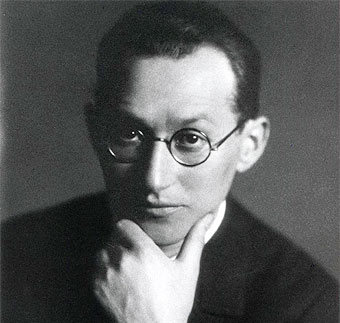
From Wikipedia, the free encyclopedia
| Kurt Lewin | |
|---|---|
| Born | 9 September 1890 Mogilno, County of Mogilno, Province of Poznań, German Empire |
| Died | 12 February 1947 (aged 56) Newtonville, Massachusetts, U.S. |
| Nationality | German |
| Citizenship | Germany, United States |
| Alma mater | University of Berlin |
| Known for | Group dynamicsaction researchForce-field analysisT-groups |
| Spouse(s) | Maria Landsberg(m. 1917; div. 1927) Gertrud Weiss (m. 1929) |
| Children | 4 |
| Scientific career | |
| Fields | Psychology |
| Institutions | Institute for Social Research Center for Group Dynamics (MIT) National Training Laboratories Cornell University Duke University |
| Thesis | Die psychische Tätigkeit bei der Hemmung von Willensvorgängen und das Grundgesetz der Assoziation (1916) |
| Doctoral advisor | Carl Stumpf |
| Doctoral students | Dorwin CartwrightLeon Festinger |
| Other notable students | Rudolf ArnheimMorton Deutsch |
| Influences | Gestalt psychologyKurt KoffkaJacob L. Moreno[1] |
| Influenced | Alex BavelasUrie BronfenbrennerJohn R. P. FrenchDavid A. KolbAbraham MaslowBrian J. MistlerFritz PerlsEric Trist |
Kurt Lewin (/ləˈviːn/ lə-VEEN; 9 September 1890 – 12 February 1947) was a German-American psychologist, known as one of the modern pioneers of social, organizational, and applied psychology in the United States.[2] During his professional career Lewin applied himself to three general topics: applied research, action research, and group communication.
Lewin is often recognized as the “founder of social psychology” and was one of the first to study group dynamics and organizational development. A Review of General Psychology survey, published in 2002, ranked Lewin as the 18th-most cited psychologist of the 20th century.[3]
Lewin was born in 1890 into a Jewish family in Mogilno, County of Mogilno, Province of Posen, Prussia (modern Poland). It was a small village of about 5,000 people, about 150 of whom were Jewish.[4] Lewin received an orthodox Jewish education at home.[5] He was one of four children born into a middle-class family. His father owned a small general store, and the family lived in an apartment above the store. His father, Leopold, owned a farm jointly with his brother Max; however, the farm was legally owned by a Christian because Jews were not permitted to own farms at the time.[4]
The family moved to Berlin in 1905, so Lewin and his brothers could receive a better education.[4] From 1905 to 1908, Lewin studied at the Kaiserin Augusta Gymnasium, where he received a classical humanistic education.[4] In 1909, he entered the University of Freiburg to study medicine, but transferred to the University of Munich to study biology. He became involved with the socialist movement and women’s rights around this time.[6] In April 1910, he transferred to the Royal Friedrich-Wilhelms University of Berlin, where he was still a medical student. By the Easter semester of 1911, his interests had shifted toward philosophy. By the summer of 1911, the majority of his courses were in psychology.[4] While at the University of Berlin, Lewin took 14 courses with Carl Stumpf (1848–1936).[4]
He served in the German army when World War I began. Due to a war wound, he returned to the University of Berlin to complete his PhD. Lewin wrote a dissertation proposal asking Stumpf to be his supervisor, and Stumpf assented. Even though Lewin worked under Stumpf to complete his dissertation, their relationship did not involve much communication. Lewin studied associations, will, and intention for his dissertation, but he did not discuss it with Stumpf until his final doctoral examination.[4]
Kurt Lewin birthplace in Mogilno, Poland
In 1917, Lewin married Maria Landsberg. In 1919, the couple had a daughter Esther Agnes, and in 1922, their son Fritz Reuven was born. They divorced around 1927, and Maria immigrated to Palestine with the children. In 1929, Lewin married Gertrud Weiss. Their daughter Miriam was born in 1931, and their son Daniel was born in 1933.[4]
Lewin had originally been involved with schools of behavioral psychology before changing directions in research and undertaking work with psychologists of the Gestalt school of psychology, including Max Wertheimer and Wolfgang Kohler. He also joined the Psychological Institute of the University of Berlin where he lectured and gave seminars on both philosophy and psychology.[6] He served as a professor at the University of Berlin from 1926 to 1932, during which time he conducted experiments about tension states, needs, motivation, and learning.[5] In 1933, Lewin had tried to negotiate a teaching position as the chair of psychology as well as the creation of a research institute at the Hebrew University.[5] Lewin often associated with the early Frankfurt School, originated by an influential group of largely Jewish Marxists at the Institute for Social Research in Germany. But when Hitler came to power in Germany in 1933 the Institute members had to disband, moving to England and then to America. In that year, he met with Eric Trist, of the London Tavistock Clinic. Trist was impressed with his theories and went on to use them in his studies on soldiers during the Second World War.
Lewin immigrated to the United States in August 1933 and became a naturalized citizen in 1940. A few years after relocating to America, Lewin began asking people to pronounce his name as “Lou-in” rather than “Le-veen” because the misspelling of his name by Americans had led to many missed phone calls.[4] Earlier, he had spent six months as a visiting professor at Stanford in 1930,[6] but on his immigration to the United States, Lewin worked at Cornell University and for the Iowa Child Welfare Research Station at the University of Iowa. Later, he became director of the Center for Group Dynamics at MIT.
Following World War II, Lewin was involved in the psychological rehabilitation of former occupants of displaced persons camps with Dr. Jacob Fine at Harvard Medical School. When Trist and A T M Wilson wrote to Lewin proposing a journal in partnership with their newly founded Tavistock Institute and his group at MIT, Lewin agreed. The Tavistock journal, Human Relations, was founded with two early papers by Lewin entitled “Frontiers in Group Dynamics”. Lewin taught for a time at Duke University.[7]
Lewin died in Newtonville, Massachusetts, of heart failure in 1947. He was buried in Mount Auburn Cemetery in Cambridge, Massachusetts. His wife died in 1987.
Lewin coined the notion of genidentity,[8] which has gained some importance in various theories of space-time and related fields.[citation needed] For instance, he introduced the concept of hodological space or the simplest route achieved through the resolution of different field of forces, oppositions, and tensions according to their goals.[9]
Lewin also proposed Herbert Blumer‘s interactionist perspective of 1937 as an alternative to the nature versus nurture debate. Lewin suggested that neither nature (inborn tendencies) nor nurture (how experiences in life shape individuals) alone can account for individuals’ behavior and personalities, but rather that both nature and nurture interact to shape each person. This idea was presented in the form of Lewin’s equation for behavior, B = ƒ(P, E), which means that behavior (B) is a function (f) of personal characteristics (P), and environmental characteristics (E).
First and foremost, Kurt Lewin was an applied researcher and practical theorist.[according to whom?] Most scholars of the time reveled in the fear that devoting oneself to applied research would distract the discipline from basic research on scholarly problems – thus creating this false binary regarding for whom knowledge is created, whether it was for the perpetuation of the discipline or for application.[10] Despite this debate within the social sciences at the time, Lewin argued that “applied research could be conducted with rigor and that one could test theoretical propositions in applied research.”[10] The root of this particular binary seemed to stem from the epistemological norms present within the hard sciences – where the distinction was much more pronounced; Kurt Lewin argued that this was contrary to the nature of the social sciences. Furthermore, with the help of scholars like Paul Lazarsfeld, there was a method through which money could be acquired for research in a sustainable manner. Lewin has encouraged researchers to develop theories that can be used to address important social problems.[11]
To demonstrate his dedication to applied research and to further prove that there was value in testing his theoretical propositions, Lewin became a “master at transposing an everyday problem into a psychological experiment”.[10] Lewin, in his beginnings, took a seemingly banal moment between himself and a waiter and turned it into the beginnings of his field research. In this particular incident, Lewin reasoned that the “intention to carry out a specific task builds a psychological tension, which is released when the intended task is completed” in tandem with when Sigmund Freud theorized that “wishes persist until they are satisfied.”[10] This happenstance observation started the demonstration of the “existence of psychic tensions”, fundamental to Lewin’s field theory.[10]
While applied research helped develop Lewin into a practical theorist, what further defined him as an academic and a forerunner was his action research – a term he invented himself.[10] Lewin was increasingly interested in the concepts of Jewish migration and identity. He was confused by the concept of how while an individual distanced themselves from performing the Jewish identity in terms of religious expression and performance, they were still considered Jewish in the eyes of Nazis. This concept of denying one’s identity and the promotion of self-loathing as a form of coping with a dominant group’s oppression represented the crisis of Lewin’s own migration to the United States.[10] Lewin, as his student and colleague Ron Lippitt described, “had a deep sensitivity to social problems and a commitment to use his resources as a social scientist to do something about them. Thus in the early 1940s he drew a triangle to represent the interdependence of research, training, and action in producing social change.”[10] This diagramming of an academic’s interests and actions within this triangulation yields an interesting part of accessing Lewin and his contributions. Rather than noting social justice as the beginning or the end, it was ingrained in every single academic action that Lewin took. It was this particular world view and paradigm that furthered his research and determined precisely how he was going to utilize the findings from his field research. Furthermore, it all reflected upon Lewin the man and his way of coping with the events of his time period. This devotion to action research was possibly a way of resolving a dissonance of his own passage to America and how he left his own back in present-day Poland.
Prominent psychologists mentored by Lewin included Leon Festinger (1919–1989), who became known for his cognitive dissonance theory (1956), environmental psychologist Roger Barker, Bluma Zeigarnik, and Morton Deutsch, the founder of modern conflict resolution theory and practice.
Force-field analysis provides a framework for looking at the factors (“forces”) that influence a situation, originally social situations. It looks at forces that are either driving movement toward a goal (helping forces) or blocking movement toward a goal (hindering forces). Key to this approach was Lewin’s interest in gestaltism, understanding the totality and assessing a situation as a whole and not focusing only on individual aspects. Further, the totality for an individual (their life space) derives from their perception of their reality, not an objective viewpoint. The approach, developed by Kurt Lewin, is a significant contribution to the fields of social science, psychology, social psychology, organizational development, process management, and change management.[12] His theory was expanded by John R. P. French who related it to organizational and industrial settings.
Lewin, then a professor at MIT, first coined the term action research in about 1944, and it appears in his 1946 paper “Action Research and Minority Problems”.[13] In that paper, he described action research as “a comparative research on the conditions and effects of various forms of social action and research leading to social action” that uses “a spiral of steps, each of which is composed of a circle of planning, action, and fact-finding about the result of the action” (this is sometimes referred to as the Lewinian spiral).
Lewin often characterized organizational management styles and cultures in terms of leadership climates defined by[14] (1) authoritarian, (2) democratic and (3) laissez-faire work environments. He is often confused with McGregor with his work environments, but McGregor adapted them directly to leadership-theory. Authoritarian environments are characterized where the leader determines policy with techniques and steps for work tasks dictated by the leader in the division of labor. The leader is not necessarily hostile but is aloof from participation in work and commonly offers personal praise and criticism for the work done. Democratic climates are characterized where policy is determined through collective processes with decisions assisted by the leader. Before accomplishing tasks, perspectives are gained from group discussion and technical advice from a leader. Members are given choices and collectively decide the division of labor. Praise and criticism in such an environment are objective, fact minded and given by a group member without necessarily having participated extensively in the actual work. Laissez-faire environments give freedom to the group for policy determination without any participation from the leader. The leader remains uninvolved in work decisions unless asked, does not participate in the division of labor, and very infrequently gives praise.[15]: 39–40
An early model of change developed by Lewin described change as a three-stage process.[16] The first stage he called “unfreezing”. It involved overcoming inertia and dismantling the existing “mind set”. It must be part of surviving. Defense mechanisms have to be bypassed. In the second stage the change occurs. This is typically a period of confusion and transition. We are aware that the old ways are being challenged but we do not have a clear picture as to what we are replacing them with yet. The third and final stage he called “freezing”. The new mindset is crystallizing and one’s comfort level is returning to previous levels. This is often misquoted as “refreezing” (see Lewin,1947). Lewin’s three-step process is regarded as a foundational model for making change in organizations. There is now evidence, however, that Lewin never developed such a model and that it took form after his death in 1947.[17]
While working at MIT in 1946, Lewin received a phone call from the director of the Connecticut State Inter Racial Commission[18] requesting help to find an effective way to combat religious and racial prejudices. He set up a workshop to conduct a “change” experiment, which laid the foundations for what is now known as sensitivity training.[19] In 1947, this led to the establishment of the National Training Laboratories, at Bethel, Maine. Carl Rogers believed that sensitivity training is “perhaps the most significant social invention of this century.”[19]
Lewin’s equation, B = ƒ(P, E), is a psychological equation of behavior developed by Kurt Lewin. It states that behavior is a function of the person in their environment.[20]
The equation is the psychologist’s most well known formula in social psychology,[citation needed] of which Lewin was a modern pioneer. When first presented in Lewin’s book Principles of Topological Psychology, published in 1936, it contradicted most popular theories in that it gave importance to a person’s momentary situation in understanding his or her behavior, rather than relying entirely on the past.[21]
In a 1947 article, Lewin coined the term “group dynamics“. He described this notion as the way that groups and individuals act and react to changing circumstances. This field emerged as a concept dedicated to the advancement of knowledge regarding the nature of groups, their laws, establishment, development, and interactions with other groups, individuals and institutions. During the early years of research on group processes, many psychologists rejected the reality of group phenomena. Critics[who?] shared the opinion that groups did not exist as scientifically valid entities. It had been said by skeptics that the actions of groups were nothing more than those of its members considered separately. Lewin applied his interactionism formula, B = ƒ(P, E), to explain group phenomena, where a member’s personal characteristics (P) interact with the environmental factors of the group, (E) its members, and the situation to elicit behaviour (B). Given his background in Gestalt psychology, Lewin justified group existence using the dictum “The whole is greater than the sum of its parts”. He theorized that when a group is established it becomes a unified system with supervening qualities that cannot be understood by evaluating members individually. This notion – that a group is composed of more than the sum of its individual members – quickly gained support from sociologists and psychologists who understood the significance of this emerging field. Many pioneers noted that the majority of group phenomena could be explained according to Lewin’s equation and insight and opposing views were hushed. The study of group dynamics remains relevant in today’s society where a vast number of professions (e.g., business and industry, clinical/counseling psychology, sports and recreation) rely on its mechanisms to thrive.[22]
The most notable[according to whom?] of Lewin’s contributions was his development of group communication and group dynamics as major facets of the communication discipline. Lewin and his associated researchers shifted from the pre-existing trend of individualist psychology and then expanded their work to incorporate a macro lens where they focused on the “social psychology of small group communication” (Rogers 1994). Lewin is associated with “founding research and training in group dynamics and for establishing the participative management style in organizations”.[10] He carved out this niche for himself from his various experiments. In his Berlin research, Lewin utilized “group discussions to advance his theory in research.” In doing so, there was certainly the complication of not knowing exactly whom to attribute epiphanies to as an idea collectively came into fruition. In addition to group discussions, he became increasingly interested in group membership. He was curious as to how perspectives of an individual in relation to the group were solidified or weakened. He tried to come up with the way identity was constructed from standpoint and perspectives. These were the beginnings of what ended up developing into “groupthink”. Lewin started to become quite interested in how ideas were created and then perpetuated by the mentality of a group. Not included in this chapter is how important this became in looking at group dynamics across disciplines – including studying John F Kennedy and the way he tried to interact with his advisors in order to prevent groupthink from occurring.[23]


