“Progress is never permanent, will always be threatened, must be redoubled, restated and reimagined if it is to survive,” Zadie Smith wrote in her spectacular essay on optimism and despair. The illusion of permanent progress inflicts a particularly damning strain of despair as we witness the disillusioning undoing of triumphs of democracy and justice generations in the making — despair preventable only by taking a wider view of history in order to remember that democracy advances in fits and starts, in leaps and backward steps, but advances nonetheless, on timelines exceeding any individual lifetime. Amid our current atmosphere of presentism bias and extreme narrowing of perspective, it is not merely difficult but downright countercultural to resist the ahistorical panic by taking such a telescopic view — lucid optimism that may be our most unassailable form of resistance to the corruptions and malfunctions of democracy.
I can conceive of no better service in the United States, henceforth, by democrats of thorough and heart-felt faith, than boldly exposing the weakness, liabilities and infinite corruptions of democracy.
Having lived and saved lives through the Civil War, having seen the swell of “vast crops of poor, desperate, dissatisfied, nomadic, miserably-waged populations,” having witnessed the corrosion of idealism and the collapse of democratic values into corruption and complacency, Whitman still faces a dispiriting landscape with a defiant and irrepressible optimism — our mightiest and most countercultural act of courage, then and now and always:
Though I think I fully comprehend the absence of moral tone in our current politics and business, and the almost entire futility of absolute and simple honor as a counterpoise against the enormous greed for worldly wealth, with the trickeries of gaining it, all through society in our day, I still do not share the depression and despair on the subject which I find possessing many good people.
Zooming out of the narrow focus of his cultural moment — as we would be well advised to do with ours — Whitman takes a telescopic perspective of time, progress, and social change, and considers what it really takes to win the future:
The advent of America, the history of the past century, has been the first general aperture and opening-up to the average human commonalty, on the broadest scale, of the eligibilities to wealth and worldly success and eminence, and has been fully taken advantage of; and the example has spread hence, in ripples, to all nations. To these eligibilities — to this limitless aperture, the race has tended, en-masse, roaring and rushing and crude, and fiercely, turbidly hastening — and we have seen the first stages, and are now in the midst of the result of it all, so far. But there will certainly ensue other stages, and entirely different ones. In nothing is there more evolution than the American mind. Soon, it will be fully realized that ostensible wealth and money-making, show, luxury, &c., imperatively necessitate something beyond — namely, the sane, eternal moral and spiritual-esthetic attributes, elements… Soon, it will be understood clearly, that the State cannot flourish, (nay, cannot exist,) without those elements. They will gradually enter into the chyle of sociology and literature. They will finally make the blood and brawn of the best American individualities of both sexes.
American Democracy, in its myriad personalities, in factories, work-shops, stores, offices — through the dense streets and houses of cities, and all their manifold sophisticated life — must either be fibred, vitalized, by regular contact with out-door light and air and growths, farm-scenes, animals, fields, trees, birds, sun-warmth and free skies, or it will morbidly dwindle and pale. We cannot have grand races of mechanics, work people, and commonalty, (the only specific purpose of America,) on any less terms. I conceive of no flourishing and heroic elements of Democracy in the United States, or of Democracy maintaining itself at all, without the Nature-element forming a main part — to be its health-element and beauty-element — to really underlie the whole politics, sanity, religion and art of the New World.
Swingin’ Pig For those not subscribed to my channel, I upload very few videos that aren’t related to Bob Dylan. But I managed to get my hands on this footage and couldn’t help sharing it with the world. This is one of the best live performances I’ve seen by any artist. It was filmed sometime between 1968 and 1969 at the Village Gate nightclub in New York City. I hadn’t listened to much of Nina Simone until I watched the Netflix documentary “What Happened, Miss Simone?” This performance kicked open the door to my soul. The film had only short clips of it though, so I scoured the internet for the full version. To my disappointment, all the available videos seemed to be VHS bootlegs (terrible visual and audio quality). I finally found this beautifully clear version after many months of searching. I could not upload the entire performance due to copyright issues, but the most moving part of the song is completely intact; at 1:20, Simone has her band and the entire audience singing “‘Cause I know” (in reference to the lyric “Then I’d sing, ’cause I know / How it feels to be free”) while she improvises incredible lines (“I wouldn’t know myself / I’d have new hands / I’d have new visions / My eyes would be open”). And her eyes tell you she means every word of it (especially at 3:00). Watch this from the beginning without any distractions. If you really tune into this performance, it might kick open the door to your soul too. Although this performance is just as much visual one as it is a musical one, I highly recommend you listen to the full version here: https://www.youtube.com/watch?v=nQq8d….
LYRICS: I wish I knew how It would feel to be free I wish I could break All the chains holding me I wish I could say All the things that I should say Say ’em loud, say ’em clear For the whole round world to hear I wish I could share All the love that’s in my heart Remove all the bars That keep us apart I wish you could know What it means to be me Then you’d see and agree That every man should be free I wish I could give All I’m longin’ to give I wish I could live Like I’m longin’ to live I wish I could do All the things that I can do And though I’m way overdue I’d be starting anew Well I wish I could be Like a bird in the sky How sweet it would be If I found I could fly Oh I’d soar to the sun And look down at the sea Then I’d sing ’cause I know How it feels to be free
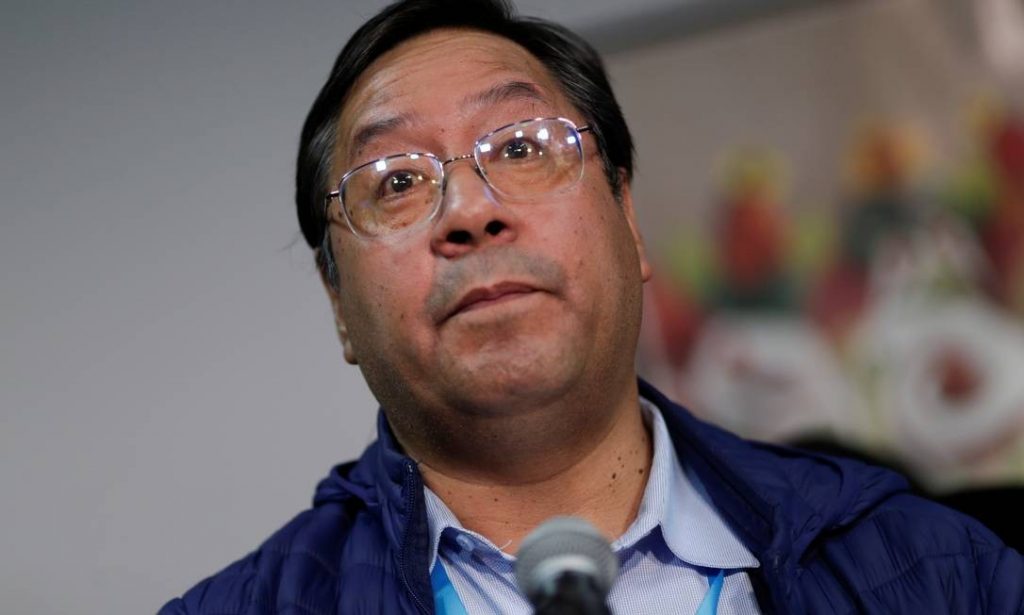
“We have recovered our soul. We have recovered the mysticism of this process. The people have made this possible with their discipline. We recovered this process of change for all.”
Measure 110 decriminalizes the personal possession of small amounts of illicit drugs, including cocaine, heroin, Oxycodone and methamphetamine. It also reduces the penalties for possessing larger amounts.
It funds health assessments, addiction treatment, harm reduction and other services for people with addiction disorders by reallocating cannabis tax dollars and savings from law enforcement making fewer drug arrests.
Proponents say their goal is to take people who are addicted to drugs out of the criminal justice system and to treat their addiction as a medical problem.
If Measure 110 passes, Oregon would be the first state in the nation to attempt decriminalization.
The Yes on Measure 110 campaign is funded by the New York based advocacy group Drug Policy Alliance, which also backed Oregon’s legalization of recreational cannabis in 2014.
The group has spent about $3.5 million on signature gathering to qualify the measure for the ballot, staff time and cash contributions to the yes campaign. Facebook founder Mark Zuckerberg and his wife Priscilla Chan contributed $500,000 through the Chan Zuckerberg Initiative.
The measure’s local petitioners are cannabis legalization activist Anthony Johnson, Haven Wheelock, a public health and addiction expert at Outside In, and Janie Gullickson, the executive director of the Mental Health and Addiction Association of Oregon.
Opponents, who include some local addiction policy groups, say that the measure goes too far towards decriminalization without putting adequate dollars into treatment. They argue Oregon already offers alternatives to jail time for most people convicted of drug possession..
What it actually does
This measure addresses two interconnected topics: how Oregon law treats drug-related crimes and how the state supports and promotes addiction treatment.
Let’s start with criminalization: Under Measure 110, possession of drugs would be considered a civil violation — similar to a traffic offense — subject to a $100 fine, without the possibility of jail time. A person could avoid the fine by participating in a health assessment.
State law currently treats simple possession of small amounts of drugs as a misdemeanor in most cases, and as a felony in cases where a person has two or more prior convictions for possession, or any prior felony conviction. All of these offenses would be reclassified as civil violations.
Possession of larger amounts of drugs — for example, 40 or more Oxycodone pills or 2 grams or more of cocaine, methamphetamine, or heroin — is currently a felony. Measure 110 reduces these offenses to misdemeanors.
If Measure 110 passes, the state could still use 11 factors that constitute evidence of a commercial drug offense to charge someone in possession of drugs with a felony.
Those factors include also having stolen property or weapons, and indications a person is selling drugs, like having more than $300 of cash and baggies.
The measure would reduce convictions for drug possession by close to 90 percent, according to a detailed analysis by the Oregon Criminal Justice Commission – from 4,057 convictions in 2019 to an estimated 378 if the measure passes.
Measure 110 does not decriminalize manufacturing or selling drugs.
The measure also addresses how Oregon treats addiction: It would take some cannabis tax revenue that’s been allocated to schools and other programs and redirect it into a new state grant fund dedicated to addiction treatment.
The measure requires the state to put at least $57 million dollars a year, adjusted for inflation, into the fund.
That minimum amount represents a roughly 15 percent increase in the state’s annual budget for these services: A recent report found the state spends about $235 million a year on addiction treatment.
Measure 110 also rewrites the state’s formula for distributing marijuana tax revenue.
If marijuana tax revenue continues to increase as the state projects, it could mean bigger investments in the addiction treatment fund in future years: a projected $91 million a year for the fund in 2021-2023, for example.
The measure requires some of that money be set aside to establish a dozen or so centers in regions across the state, open seven days a week, to triage the needs of people addicted to drugs and connect them to health care and services.
These so-called “Addiction and Recovery Centers” would conduct the health assessments people need to complete to avoid being fined for drug possession. They would also be required to provide peer support and case management, connecting people to health care.
The new state fund could also be used to pay for addiction treatment, housing for people with substance use disorder, and harm reduction services like needle exchanges.
A committee made up of paid members appointed by the Oregon Health Authority would be responsible for deciding how to spend the money in the fund, and for oversight of the Addiction and Recovery Centers.
Finally, the measure would redirect any state and county dollars saved through the reduction in drug arrests and convictions into the new state fund for addiction treatment.
Who’s for it?
Many labor unions and community organizations that work with Black Oregonians, immigrants, and communities of color, including Unite Oregon, Latino Network, and the NAACP of Portland.
It’s also been endorsed by the Oregon Nurses Association, the Oregon Academy of Family Physicians, and the Oregon Chapter of the American College of Physicians.
The measure’s supporters emphasize a number of arguments, starting with the lasting harm of an arrest, conviction, and criminal record.
“It’s imperative that we change our culture so that people suffering from addiction aren’t stigmatized and isolated. By treating them as criminals, you prevent them from coming forward. They are often scared to come forward to their friends and family, because they’re considered second class citizens,” said petitioner Anthony Johnson.
Supporters also cite the disproportionate impact of drug arrests on Black Oregonians in particular.
The measure’s petitioners asked the independent Oregon Criminal Justice Commission to analyze the racial and ethnic impact of the measure. The CJC reviewed data from 2019 on drug arrests and convictions, focusing on cases where drug possession was the most serious criminal charge a person faced.
It found that Black Oregonians were particularly overrepresented. They were 4.7% of people convicted of drug possession and just 1.9% of Oregon’s population. The CJC analysis found that Measure 110 would in effect eliminate the disparity in possession convictions for Black Oregonians.
The CJC analysis noted that the drop in convictions could have far-reaching impacts on the collateral consequences people experience after incarceration, like difficulties getting housing and loss of access to student loans.
Supporters also say addiction is a medical condition and that people who are addicted will be more likely to succeed in treatment without incarceration.
“We are endorsing measure 110 because we have seen what happens to families and patients in the wake of the opioid epidemic,” said Dr. Marianne Parshley, the governor of the American College of Physicians Oregon chapter.
According to Parshley, incarcerating people for personal possession of drugs increases the health consequences of addiction.
“They have higher rates of HIV and hepatitis C, and they also are at increased risk of fatal overdoses. The time of highest risk is in the two weeks post discharge from correctional institutions,” she said.
The measure has been endorsed by many health care and social service providers that work with people experiencing homelessness, including Outside In, Transition Projects Inc. and Central City Concern.
“It will have such big impacts on the lives of people using substances. I’m excited to see Oregon being brave,” said Haven Wheelock, of Outside in.
Who’s against it?
The opposition includes several influential local organizations working on drug and addiction policy, including The Oregon District Attorney’s Association, Oregon Recovers and the Oregon Council on Behavioral Health, the lobbying arm of addiction treatment providers in Oregon.
They say the measure provides no guaranteed amount of funding for addiction treatment itself.
“Measure 110 doesn’t have any goals in it. How many people are going to actually be offered treatment? It doesn’t say,” said Mike Marshall, the director of Oregon Recovers.
Marshall believes the measure undercuts his group’s effort to convince the legislature to overhaul the state’s addiction treatment system in next year’s session, and fund more treatment with a new tax on alcohol.
Without a major new source of revenue, opponents argue the state’s behavioral health providers aren’t prepared for a potential influx of new patients. Adding triage and assessment centers without a guarantee that treatment programs be adequately scaled up risks making people wait even longer to get into treatment.
Oregon has just 1,427 beds available in residential treatment facilities and 201 beds in detox facilities, according to a 2019 report by the legislature.
“In failing to add a single penny of revenue to these needed supports, BM 110 will undermine progress in our recovery system and fails to provide a solution for Oregon’s most vulnerable,” the Oregon Council for Behavioral Health wrote in opposition to the measure.
Opponents also point out that in 2017, Oregon reduced the criminal penalties for drug possession, in part to avoid having to build a new state prison. They argue that people convicted of possession today rarely have to serve time in jail. Instead, most are offered either probation or supervised treatment through drug court programs, which operate in 26 of Oregon’s 36 counties, according to the DA’s association.
Some opponents of the measure believe that the threat of jail time is necessary to compel some people with addiction disorders to start and remain in treatment programs.
“Sadly, many people only confront their substance use disorder because of a contact with law enforcement which often ends in diversion and treatment,” the Oregon District Attorney’s Association wrote.
“This measure will tie the hands of law enforcement and prosecutors everywhere and lead to disastrous results for our communities.”
Opponents also cite concern that decriminalization will lead more young people to try drugs, and that parents may not be able to use the juvenile justice system as leverage to get their children into treatment.
“I think It’s a bad idea to decriminalize for children. I think it sends a really bad message to them, and influences their perception of the risks, at a time when it’s the most dangerous drugs have ever been,” says James O’Rourke, a defense attorney who has helped organize the opposition to measure 110.
O’Rourke specializes in cases connected to addiction and alcoholism, and is in recovery from addiction himself.
Measure 110 doesn’t create any new taxes. Instead, it rewrites the formula for distributing the state’s cannabis tax, which has brought in more money than the state expected.
It reduces funding for programs currently funded by the marijuana tax.
The measure caps the amount of funding available for existing marijuana tax recipients at $45 million per year maximum.
Schools currently receive the largest share of marijuana tax revenue: 40%. The State School Fund would see the largest revenue loss: a projected $73 million reduction in 2021-2023.
In addition, 20% of the state’s marijuana tax dollars goes to the state’s Mental Health, Alcoholism, and Drug Services account, 20% goes to local governments, 15% goes to the Oregon State Police, and 5% goes to the Oregon Health Authority. All would receive less marijuana tax revenue as a result of measure 110.
But it’s hard to say how that revenue loss would translate into cuts to programs and services. The legislature will likely need to backfill the revenue loss for schools with general fund dollars, for example.
Finally, there are cost savings associated with the measure. Decriminalizing some drug offenses would save the state money it spends on arrests, probation supervisions and incarceration. The state estimated the savings would be $24.5 million in the 2021-2023 biennium and would increase in future years. That money would be reinvested in the new treatment fund.
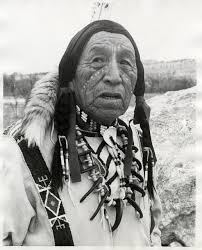
“The first peace…is that which comes within the souls of men when they realize their relationship, their oneness, with the universe and all its powers, and when they realize that at the center of the Universe dwells Wakan-Tanka, and that this center is really everywhere, it is within each of us.”
Sometimes words are simply not enough to express how someone is feeling, which is why people keep insisting on defecating on your doorstep.
Taurus | April 20 to May 20
Your quest to become the World’s Greatest Lover will be derailed as you continue only meeting people who think you’d be a really great parent.
Gemini | May 21 to June 20
Your old solution isn’t going to work on your new problem. Try drinking twice as much of it.
Cancer | June 21 to July 22
You’ve often said you’d like a word with whoever is responsible for all the bullshit, leaving you conflicted when you’re promoted to manager of all the bullshit.
Leo | July 23 to Aug. 22
It will be nothing short of inspiring to see how quickly the community mobilizes once your profile goes up on the dating sites.
Virgo | Aug. 23 to Sept. 22
You’ll narrowly avoid an unlikely set of circumstances that almost sees you married to a horse, but you’ll still be joined in matrimony to the two guys who were in the horse suit.
Libra | Sept. 23 to Oct. 22
Although you’ll admit you enjoy the new Doctor Who, you resent being referred to as “the kind of person who likes the new Doctor Who.”
Scorpio | Oct. 23 to Nov. 21
The attention will be nice and all, but until Thursday you’ll have no idea there is a world record for Amount of Crap Put Up with in a Lifetime.
Sagittarius | Nov. 22 to Dec. 21
Your inability to be spontaneous is well known, which will leave people struggling to put a name to what happens when you combust without warning next Wednesday.
Capricorn | Dec. 22 to Jan. 19
This is an excellent time for romance in the workplace, leaving you wishing you hadn’t signed that pesky form saying you wouldn’t have any.
Aquarius | Jan. 20 to Feb. 18
You’ll experience a sense of bone-deep certainty that you have not lived in vain now that “lying down on top of things” has actually become a fad.
Pisces | Feb. 19 to March 20
You’ll build a better mousetrap, all right, but your mousetrap will be so terrifyingly good that people will avoid beating a path to your door for the sake of their own mortal souls.
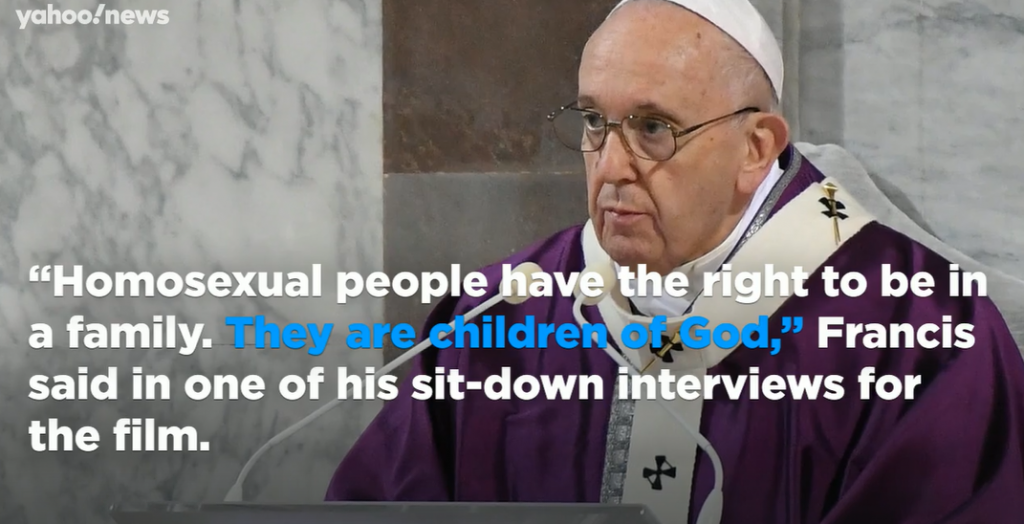
Pope Francis endorsed same-sex civil unions for the first time as pope while being interviewed for the feature-length documentary “Francesco,” which premiered Wednesday at the Rome Film Festival.
Companies worldwide are pledging to play a more meaningful role in the well-being of their employees, customers and the environment. How can they turn their promises into action? From creating a representative boardroom to committing to measurable sustainability goals, business leader Dame Vivian Hunt discusses the necessary changes companies can make to embrace stakeholder capitalism — and shares how it could change business for good.
This talk was presented at an official TED conference, and was featured by our editors on the home page.
Italian-born sculptor Benny Bufano had a reputation as a pacifist prone to dramatic gestures. In 1915, to protest the likely US entry into World War I, Benny chopped off his trigger finger and mailed it to President Woodrow Wilson.
Or maybe he accidentally cut it off with a saw. But the Giving-Wilson-the-Finger legend is the one that stuck.
Flash forward to the late 1960s. Three of America’s leaders lay dead, assassinated. After the 1968 shootings of Bobby Kennedy and Martin Luther King Jr, San Francisco’s Mayor Joseph Alioto led a voluntary gun turn-in program that accumulated a conveniently symbolic 1,968 weapons. Bufano, long a Bay Area artist, was tapped to sculpt something with the melted gun metal (he mixed in some bronze so it wouldn’t rust in the S.F. Bay dampness).
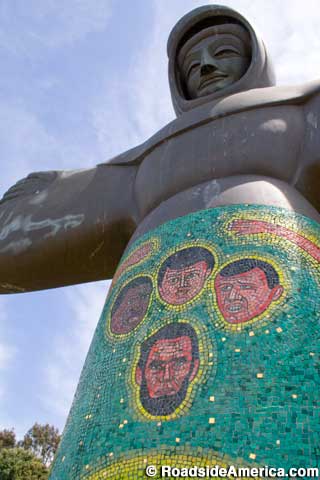
Bufano sculpted “St. Francis of the Guns,” a nearly 9-ft tall figure of a robed Catholic saint, his arms spread in peaceful greeting. On his robe, Benny created a mural showing the glowing heads of four of America’s greatest assassinated leaders: Abe Lincoln, Martin Luther King Jr., Robert Kennedy and John F. Kennedy. The naive caricatures capture all four with worried frowns.
Bufano had carved St. Francis of Assisi before, but his greatest Francis fantasy, from early in his career, was never realized. He wanted to create a towering St. Francis on horseback, 156-ft of stainless steel, rivaling the Statue of Liberty. It would have been the west coast’s welcoming symbol of Peace and Harmony. That WPA era project never got off the ground.
St. Francis of the Guns was cast in 1968; Bufano died in 1970. The statue stands in front of the entrance to the science building of the City College of San Francisco.
Consciousness, spirituality, biography, sexuality, androgyny, futurism, space, the arts, science, astrology, democracy, humor, books, movies and more


I can conceive of no better service in the United States, henceforth, by democrats of thorough and heart-felt faith, than boldly exposing the weakness, liabilities and infinite corruptions of democracy.