“Advertising Overload: Guarding Your Mind in the Age of Consumption” by Conan Milner, Epoch Times

(Luciano Mortula - LGM/Shutterstock)

(Luciano Mortula – LGM/Shutterstock)

Take back control with media mindfulness

March 23, 2017

We seek media for information and entertainment, but media seeks something from us too. In order to watch a video or read an article online, you’ll probably be forced to see an advertisement.

And companies pay a lot to make sure we see them. An estimated $579 billion was spent on advertising worldwide in 2016, up nearly five percent from the year before.

According to Isha Edwards, a brand marketing consultant in Atlanta, Georgia, ads are designed to make people react in a particular way—which makes it all the more important to be mindful of the media we consume.

Emerging techniques in neuromarketing utilize your smartphone and other wearable technology to measure your subconscious reactions to a product or message.
“We play with your subconscious mind,” Edwards said. “Recording artists, film, television—any type of storyteller does the same thing. They don’t all have evil intentions … but from a marketing standpoint, it’s very tactical. We’re not just sharing, we’re trying to get you to act on what we share.”

This is what advertisers refer to as an “impression”—a subtle yet persistent command that advertisers use to get your mind to reach a desired conclusion. Often it’s not obvious or overt—manifesting in consumers as a small unconscious bias; a subtle like or dislike for certain things.

The key strategy in promoting an impression is repetition, because marketers know the more you’re exposed to a message, the more likely it is that you will react.

“People don’t think these messages impact them but they do,” Edwards said. “If media makes that same impression over and over, your mind will say, ‘I’ve seen this seven times, so this must be important.’ You either consciously make a choice of dismissing it, or say, ‘Oh, Macy’s is having a sale.’”

The Power of Branding

Archeologists have found advertisements that are over 3,000 years old. But back then, even in urban areas, ad exposure was minimal and contained. Posters and graffiti that announced events, showed goods, or endorsed political candidates were concentrated to highly trafficked sections of town.

Today, ads are virtually inescapable. Experts estimate that we’re exposed to as many as 5,000 ads a day. Of course, we can’t process all of it, and much of it we can tune out. But Edwards says that even the ads we don’t consciously register do have an impact.

“Your brain is so spectacular, it picks up everything,” she said. “A lot of it is subliminal and a lot of times you don’t know that you’re being impacted by what you see, feel, and hear until it connects to an experience.”

The American motion picture is the greatest unconscious carrier of propaganda in the world today.

— Edward Bernays

A 2007 study from the University College of London found that invisible, subliminal images do in fact attract the brain’s attention on a subconscious level. The findings led to a ban on subliminal advertising in the United Kingdom.

Advertisers are well aware of how these messages impact the brain. Emerging techniques in neuromarketing can now utilize your smartphone and other wearable technology to measure your subconscious reactions to a product or message.

This is just one of many tools used to better capture our attention. With so many ads saturating the marketplace, the fight for exposure has never been more fierce.

This is why companies devote so much effort to building an indelible brand. In the past, branding referred to a hot iron that burned a mark on people, animals, or objects to signify ownership. Today, branding is used figuratively to describe a process of burning a message in your mind.

“We know that it takes multiple impressions (six to seven) before a concept or brand is sealed in a person’s mind. Otherwise, we wouldn’t do it,” Edwards said.

Good branding can convince you to make a purchase, but the ultimate branding objective is forging a lifelong relationship with consumers. If this emotional connection can be maintained, the consumer will be forever devoted to your product.

The branding that worked on our parents or grandparents seems crude and quaint by current standards. In order to make an impression today, ads need to be funnier, sexier, or more relatable to be heard over the ever-increasing volume of messages competing for our attention.

Commercials now often feature bizarre content that is totally unrelated to the product being sold. It may seem silly, but the marketing is effective if it makes you remember the brand. Case in point: Mountain Dew’s 2016 Super Bowl ad featuring a hybrid puppy-monkey-baby character currently has over 28 million views on YouTube.

Guarding the Mind

Advertising is vital for companies to deliver their message to consumers, but Edwards believes we can do it better. She advocates for responsible marketing. This means instead of playing mind games or hiding their agendas, advertisers should work to tell accurate and honest stories. They should also be especially careful with marketing to children.

And it’s not just advertising. Other forms of media can adopt persuasive tactics too. In fact, when a message is disguised as mindless entertainment, it’s easier for the public to accept.

“The American motion picture is the greatest unconscious carrier of propaganda in the world today,” wrote the founder of modern advertising tactics, Edward Bernays, in his 1928 book “Propaganda.”

Until media cleans up its act, Edwards cautions people to be aware of the impressions that are being made on their mind. The most effective method is to limit the content you consume and to regularly reflect upon what you truly believe.  It’s a kind of media mindfulness—the more conscious you become of the hypnotic messages triggering your desires, the easier it is to break the spell.

Edwards calls this “guarding the mind.”

“It may be as extreme as not owning a TV or only subscribing to content that gives honest, accurate, unbiased commentary,” she said.

Other examples of guarding the mind include avoiding movies, videos, or music that glorify violence, misogyny, and other forms of disrespect, as well as choosing brands that support the community and promote having a positive self-image.

“It’s about protecting what goes into your psyche,” Edwards said.

How We Got Here

What fuels this ever-growing campaign to capture our hearts, minds, and wallets? History shows there is more than just market forces at work.

In the old days, ads were pretty basic—just a description of goods and services. But in the 1920s, Bernays changed the game. Inspired by his uncle, Sigmund Freud, Bernays used psychology to develop a new strategy of marketing that would influence the subconscious mind.

He called this strategy “engineering consent.” In essence, it’s a form of mass hypnosis. It was also the start of mass consumerism—an economic model in which people buy things not just for necessity, but for pleasure, prestige, or even rebellion.

Bernays’s first strategic ad campaign was in 1929. The owners of cigarette brand Lucky Strike were looking to capture the female market, but it was considered taboo for a decent woman to smoke. So Bernays hired some young women, gave them cigarettes, and staged a scene in the New York City Easter parade. He sold the event to the press as a brave display of female empowerment, and referred to the cigarettes as “torches of freedom.” The story ran nationwide, and the number of women smokers skyrocketed.

Today, we would call this a publicity stunt, but back then it marked a profound cultural shift. Life Magazine has listed Bernays as one of the Top 100 most influential Americans of the 20th century.

From Citizens to Consumers

In the past, people’s thoughts and actions were guided primarily by family, tradition, and the natural world. But in the 20th century, advertising became a major force of socialization, turning independent thinking citizens into consumers with malleable dreams and desires.

This transformation was essential to social engineers following the industrial revolution. New technology allowed for production on a massive scale, but for this economic model to work it required a public that was more uniform and predictable.

In “Propaganda,” Bernays argued that the masses needed guidance from an “invisible government” in order to provide social stability. By appealing to the unconscious desires described by Freud, Bernays proved that the masses could be much easier to control.

“We are governed, our minds are molded, our tastes formed, our ideas suggested, largely by men we have never heard of,” Bernays wrote.

Bernays envisioned a few superior “wise men” overseeing the direction of society for the good of the masses, but a different story unfolded in practice. Bernays’s techniques could be used by anyone with a sinister agenda looking to steer the public mind. This included Bernays himself at times. In the 1930s, he started marketing cigarettes as a way to soothe a sore throat and stay slim, despite being well aware of early evidence that smoking caused health problems. He did, however, discourage his own wife’s smoking habit.

Nazi propaganda minister Joseph Goebbels borrowed heavily from Bernays’s work. President Franklin Roosevelt considered hiring Bernays to sell the American public on World War II, but Supreme Court Justice Felix Frankfurter talked him out of it. In a letter to the president, Frankfurter described Bernays and his ilk as “professional poisoners of the public mind, exploiters of foolishness, fanaticism, and self-interest.”

Today, selling and psychology still go hand in hand.

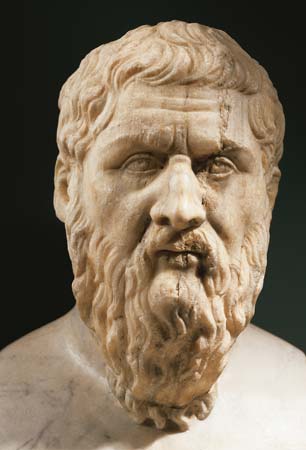
Biography: Empedocles (wikipedia.org)

Empedocles (c. 490 – c. 430 BC) was a Greek pre-Socratic philosopher and a citizen of Acragas (Agrigentum), a Greek city in Sicily. Empedocles’ philosophy is best known for originating the cosmogenic theory of the four classical elements. He also proposed forces he called Love and Strife which would mix as well as separate the elements. These physical speculations were part of a history of the universe which also dealt with the origin and development of life.

Influenced by the Pythagoreans, Empedocles was a vegetarian who supported the doctrine of reincarnation. He is generally considered the last Greek philosopher to have recorded his ideas in verse. Some of his work survives, more than is the case for any other pre-Socratic philosopher. Empedocles’ death was mythologized by ancient writers, and has been the subject of a number of literary treatments.

Life

The temple of Hera at Agrigentum, built when Empedocles was a young man, c. 470 BC.

Empedocles was born, c. 490 BC, at Acragas (Agrigentum) in Sicily to a distinguished family. Very little is known about his life. His father Meto seems to have been instrumental in overthrowing the tyrant of Agrigentum, presumably Thrasydaeus in 470 BC. Empedocles continued this tradition by helping to overthrow the succeeding oligarchic government. He is said to have been magnanimous in his support of the poor; severe in persecuting the overbearing conduct of the oligarchs; and he even declined the sovereignty of the city when it was offered to him.

His brilliant oratory, his penetrating knowledge of nature, and the reputation of his marvellous powers, including the curing of diseases, and averting epidemics, produced many myths and stories surrounding his name. He was said to have been a magician and controller of storms, and he himself, in his famous poem Purifications seems to have promised miraculous powers, including the destruction of evil, the curing of old age, and the controlling of wind and rain.

Empedocles was acquainted or connected by friendship with the physicians Pausanias (his eromenos) and Acron; with various Pythagoreans; and even, it is said, with Parmenides and Anaxagoras. The only pupil of Empedocles who is mentioned is the sophist and rhetorician Gorgias.

Timaeus and Dicaearchus spoke of the journey of Empedocles to the Peloponnese, and of the admiration, which was paid to him there; others mentioned his stay at Athens, and in the newly founded colony of Thurii, 446 BC; there are also fanciful reports of him travelling far to the east to the lands of the Magi.

According to Aristotle, he died at the age of sixty (c. 430 BC), even though other writers have him living up to the age of one hundred and nine. Likewise, there are myths concerning his death: a tradition, which is traced to Heraclides Ponticus, represented him as having been removed from the Earth; whereas others had him perishing in the flames of Mount Etna.

The contemporary Life of Empedocles by Xanthus has been lost.

More at:  https://en.wikipedia.org/wiki/Empedocles

United Nations Office for Outer Space Affairs (wikipedia.org)

The United Nations Office for Outer Space Affairs (UNOOSA) is a part of the United Nations Secretariat, located at the United Nations Office in Vienna. In March 2014, the Secretary-General appointed Simonetta Di Pippo (Italy) as the new Director of the Office.

Background

The United Nations Office for Outer Space Affairs was initially created as a small expert unit within the United Nations Secretariat in New York to assist the ad hoc Committee on the Peaceful Uses of Outer Space established by the General Assembly in its resolution 1348 (XIII) of 13 December 1958. It became a unit within the Department of Political and Security Council Affairs in 1962, when the Committee on the Peaceful Uses of Outer Space met for the first time, and was transformed into the Outer Space Affairs Division of that Department in 1968. In 1992, the Division was transformed into the Office for Outer Space Affairs within the Department for Political Affairs and was relocated to the United Nations Office at Vienna in 1993.

Mandate

The Office implements the decisions of the United Nations General Assembly and of the United Nations Committee on the Peaceful Uses of Outer Space. The office has the dual objective of supporting the intergovernmental discussions in the Committee and its Scientific and Technical Subcommittee and Legal Subcommittee, and of assisting developing countries in using space technology for development.

The mandate was several times adjusted allowing the Office, among other tasks, the coordination of the inter-agency cooperation within the United Nations on the use of space technology – UN-Space (resolution 3234 (XXIX)), implementing the United Nations Programme on Space Applications (resolution 2601A (XXIV)) and the UN-SPIDER Programme for disaster risk management and emergency response (resolution 61/110).

In addition the Office is maintaining coordination and cooperation with space agencies and intergovernmental and non-governmental organizations involved in space-related activities and on behalf of the United Nations Secretary-General, the Register of Objects Launched into Outer Space. The office has also been helping poor nations suffering from climate change related problems by helping them access satellite images for free.

More at:  https://en.wikipedia.org/wiki/United_Nations_Office_for_Outer_Space_Affairs

“Scientists discover elixir of youth – for mice – and begin tests on humans” by Ian Johnston (independent.co.uk)


Harvard may have just discovered the real life fountain of youth. Cenk Uygur, Ana Kasparian, Hasan Piker, and Aida Rodriguez, hosts of The Young Turks, discuss.

“Researchers have found a way to protect a mouse’s DNA from the damage that comes with aging, and they’re ready to test it in people.

Dr. David Sinclair, from Harvard Medical School, and his colleagues reveal their new findings in the latest issue of Science. They focused on an intriguing compound with anti-aging properties called NAD+, short for nicotinamide adenine dinucleotide. It’s been known that younger mice had more of it than older mice and back in 2013, the researchers found that when they boosted the NAD+ levels in older mice, they looked, biologically, like much younger animals.

In the latest paper, the scientists revealed new details on how NAD+ works to keep cells young. Sinclair put drops of NAD+ into the water of a group of mice, and within a couple of hours, their NAD+ levels started to rise. Within the first week, the scientists saw obvious age reversal in muscle and improvements in DNA repair. “We can’t tell the difference between the tissues from an old mouse that is two years old versus a young mouse that is three to four months old,” Sinclair says.”*

Read more here: http://time.com/4711023/how-to-keep-y…

Compound found in broccoli and cucumber has ‘remarkable anti-ageing effects in mice’, researcher says

October 26, 2016

Scientists in the US claim to have discovered a natural compound found in avocado, broccoli and cucumber that has “remarkable anti-ageing effects in mice” – and could also work on humans.

The researchers, who have started clinical trials involving a small group of people, said older mice given the compound, called NMN, in their water saw an array of beneficial effects. Their level of physical activity increased, bone density and muscles improved, the immune system and liver performed better, their eyesight improved and they even lost weight.

The researchers began investigating the properties of a protein called NAD, which is involved in energy production in the body.

As animals get older, they produce less NAD and it is thought this is a part of the ageing process. Attempts to add extra NAD failed, so the researchers looked for a way to boost its production in the body.

They gave mice NMN, also found in cabbage and edamame, in their drinking water to see if this would boost levels of NAD and have a rejuvenating effect.

Asked if this worked, lead researcher Professor Shin-ichiro Imai, of Washington University in St Louis, said: “The answer is basically yes. As a matter of fact, NMN has remarkable anti-ageing effects in mice.

“Those NMN [fed] mice definitely have longer health-span – entire lifespan, we’re not sure, but if this keeps working in this way they could have a longer lifespan as well.

“We have shown a way to slow the physiologic decline that we see in ageing mice. This means older mice have metabolism and energy levels resembling that of younger mice.”

And he expressed optimism that the clinical trials with human subjects, underway in Japan, would produce similar results.

“Since human cells rely on this same energy production process, we are hopeful this will translate into a method to help people remain healthier as they age,” he said.

However, while there was no sign of it in the study, there could be a significant catch – NAD might also give an energy boost to cancer cells.

“Some tumour cells are known to have a higher capability to synthesise NAD, so we were concerned that giving NMN might increase cancer incidence,” Professor Imai said. “But we have not seen any differences in cancer rates between the groups [of mice].”

The researchers, who reported their results in a paper in the journal Cell Metabolism, added the benefits were only experienced by older mice.

“When we give NMN to the young mice, they do not become healthier young mice,” said Professor Jun Yoshino, who also took part in the research. “NMN supplementation has no effect in the young mice because they are still making plenty of their own NMN.

“We suspect that the increase in inflammation that happens with ageing reduces the body’s ability to make NMN and, by extension, NAD.”

A statement about the research issued by Washington University said “high-grade NMN” for human consumption was not commercially available at present, but added “there’s always broccoli”.

Earlier this year, a different team of scientists revealed they had managed to extend the lifespan of mice by 35 per cent by removing “worn out” cells from the body that have a destructive effect.

“Where did the term Dumbing Down come from?” by Robert McEwen, H.W., M.

Dumbing down is the deliberate over simplification of intellectual content in order to relate to those unable to assimilate more sophisticated information.

The term “dumbing down” originated in 1933 as movie-business slang used by motion picture screenplay writers, meaning thus making knowledge trivial mainly to reach a broader audience or  the popular culture. It also assumes that people are stupid, talking down to them in a patronizing way.  It doesn’t speak well of people, and I hope that changes.   We as curious seekers are learning “how to think” and not operate under the major premise of we should be told “what to think“.  Frankly it is a very lazy  of the whoever passes out the information as a form of pablum, when fine cuisine could be served!  We could be “stepping up” the game, rather than playing down to people assuming they are stupid.  It it keeps both sides of the table stupid all for money or political gain.  Giving people a chance to learn new ideas, and  educate themselves by exposing them. and challenging them intellectually and learning to think for themselves.  It caters to a lack of dignity on both sides of this process.

Philosophically, the term “dumbing down” is a relative definition, because what is considered dumbing down depends on the individual taste and level of our critical thinking.  The results in a dumbing down is often economic to market concepts to the mainstream that maybe not well educated, well travelled,  or well read. If you think about it is kind of sad, and doesn’t speak well of the evolution of consciousness.  It is actually kind of a cultural de-evolution.  The terms, “homogenized, white bread, and others, come to mind as I explore the dumbing down.   The real nutritional juice is taken out as in the milk and bread, the food we eat, is taken out of the collective intellect and cultural soul food.   What do you think?

Robert McEwen, H.W. M.
robbystarman@aol.com
503-706-0396

“These amazing photos document the iconic Summer of Love in San Francisco” by Rian Dundon (timeline.com)

100,000 hippies descended on San Francisco in 1967. Jim Marshall captured it all.
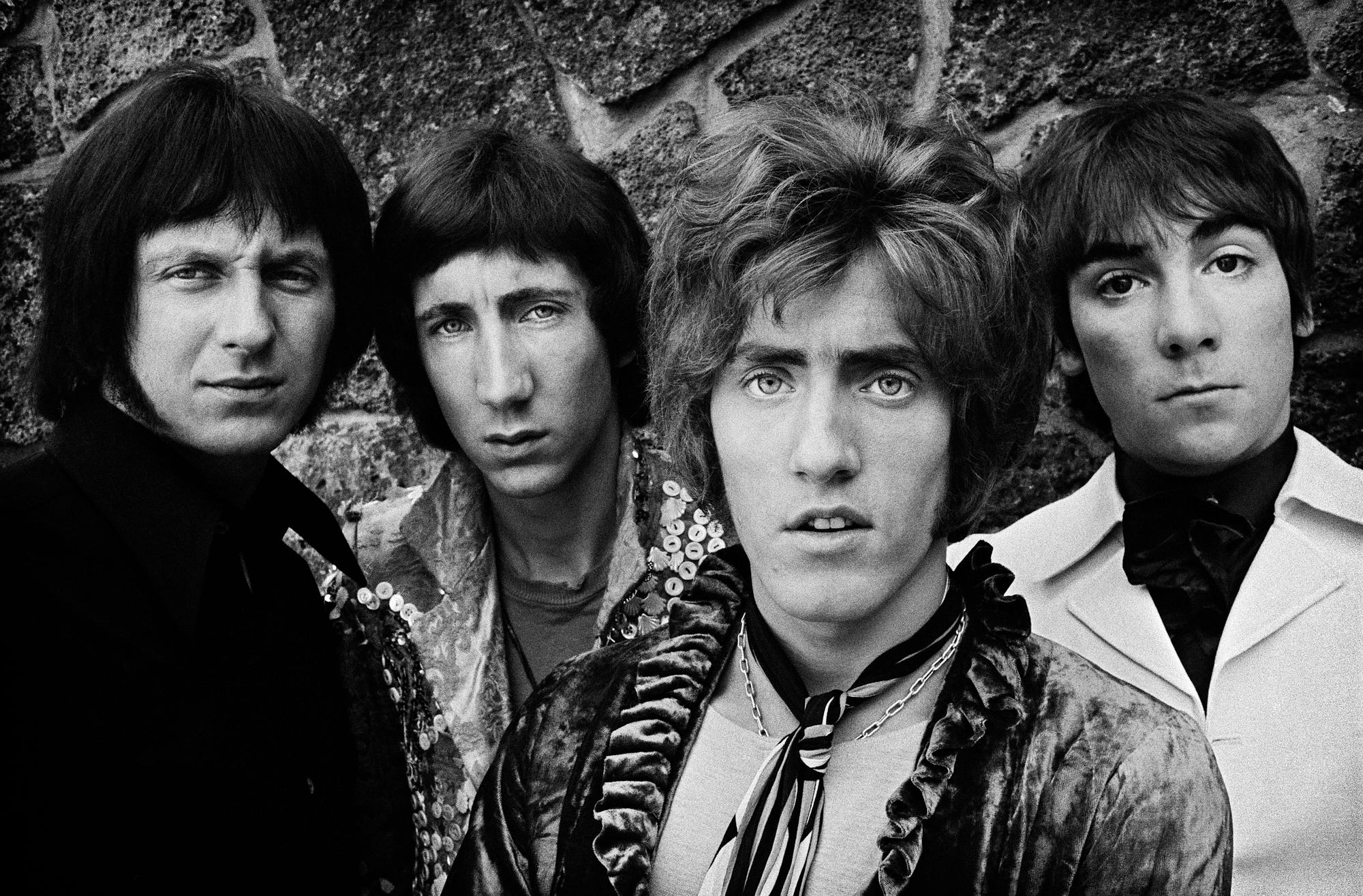
The Who during their stop in San Francisco, where they played two concerts at The Fillmore, June 16 & 17, 1967. © Jim Marshall Photography LLC

The summer of 1967 in San Francisco was a magical time and place.

Like a lot of young people, Jim Marshall was there. Drawn to the city’s Haight-Ashbury district by the surge of culture manifesting there—in music and fashion, in politics and mind-expanding drugs. Unlike the hordes of flower children washing up in the bohemian enclave that summer, Marshall was there to work. As a photographer employed by the biggest music labels in the business his job was to create a visual record of what Hunter S. Thompson would later lament as “the crest of a high and beautiful wave.”

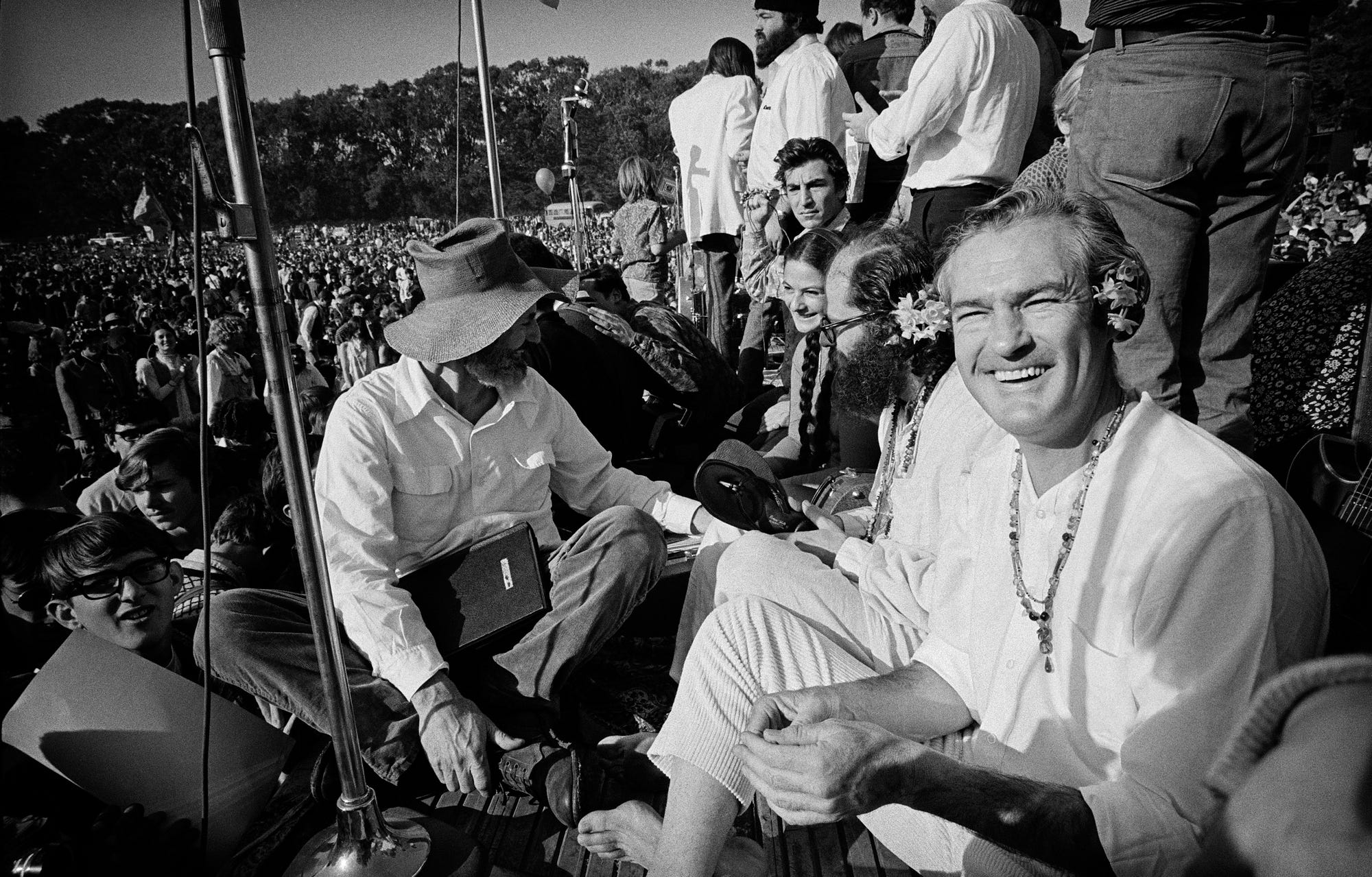
In 1967, 100,000 hippies from across the country converged on San Francisco in a mass phenomenon dubbed the “Summer of Love.” Many were college kids on summer break and would leave come autumn—others stuck around to witness the Haight’s slow decline into a cultural wasteland. Marshall’s access to the day’s top bands—from Jimi Hendrix and The Beatles to the Grateful Dead—and the trust afforded him by celebrity musicians paved the way for his unparalleled set of images from the period. The photographer was even standing next to Timothy Leary when he uttered his infamous credo at the Human Be-In in Golden Gate Park: “Turn on, tune in, drop out.”

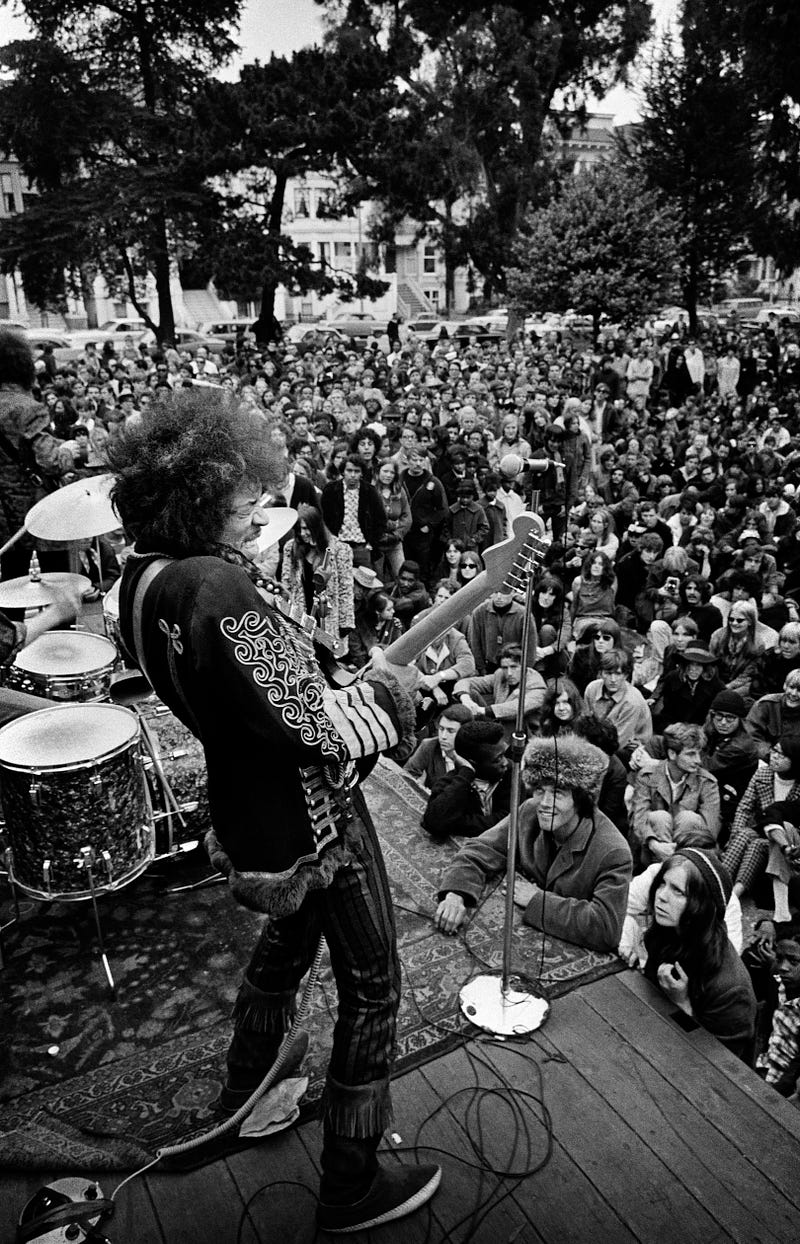
Jimi Hendrix performing onstage at a free concert in the Panhandle, June 19, 1967. © Jim Marshall Photography LLC

A new exhibition produced by the San Francisco Arts Commission Galleries, in conjunction with a city-wide celebration of the Summer of Love’s 50th anniversary, features 80 prints from Marshall’s prolific 1967 output. The show proves the value of Marshall’s work as a historical document, but it is also, as SFAC Galleries director and co-curator Meg Shiffler describes, “an exhibition that focuses on the way that photographer Jim Marshall helped to define our cultural understanding of the Summer of Love, the San Francisco hippie movement, and the birth of psychedelic rock and roll.”

Marshall was the rare photographer whose work could impact the culture at large—not just music fans or students of history. It’s entirely possible his pictures might outlast the music itself, which in some cases wouldn’t be such a bad thing (Deadheads, we’re looking at you).

Jim Marshall’s 1967 is on view at San Francisco City Hall, free and open to the public through June 17, 2017.


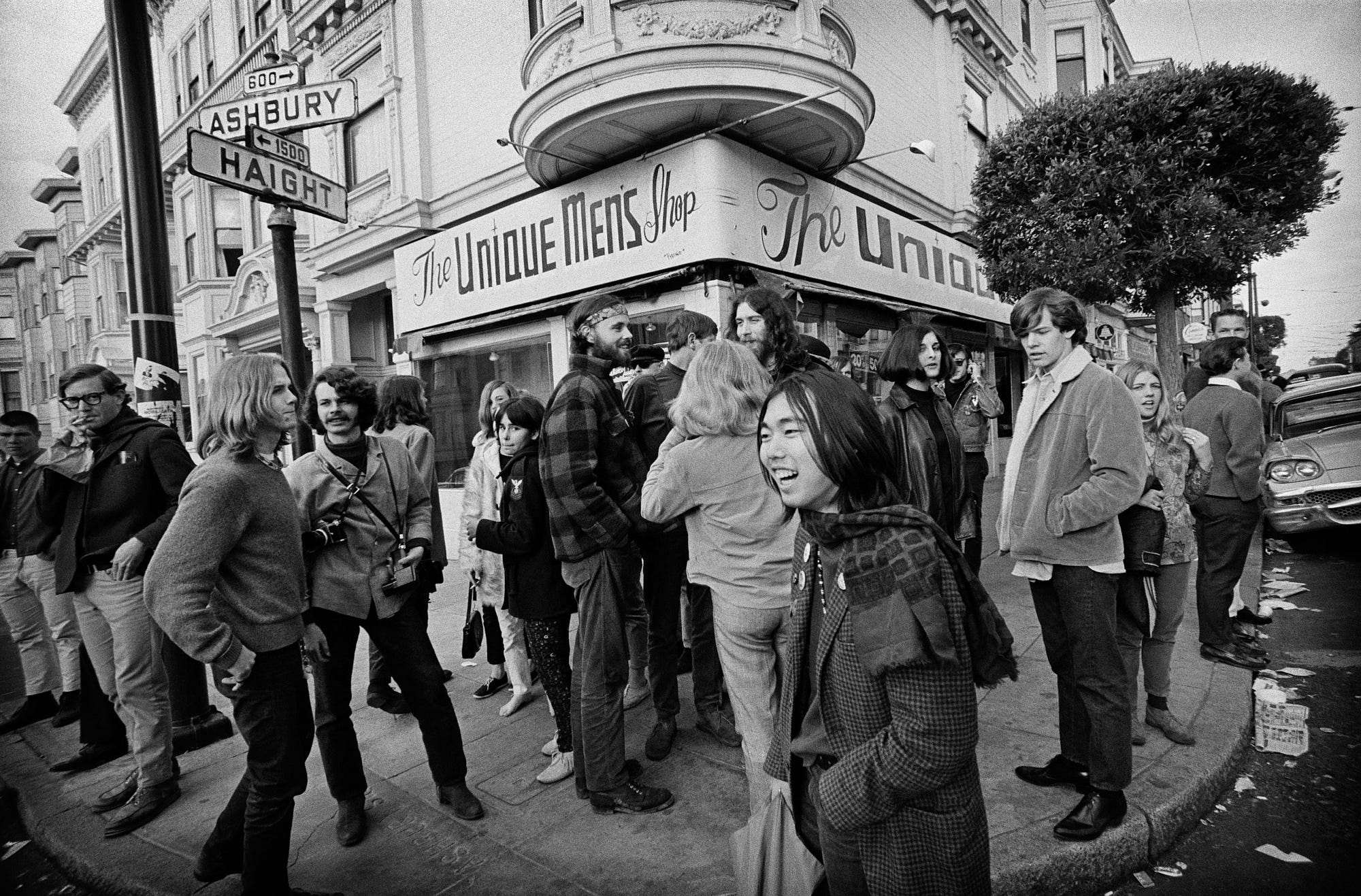
The famous corner of Haight-Ashbury streets, June 1967. The Unique Men’s Shop is now a Ben & Jerry’s ice cream shop. © Jim Marshall Photography LLC
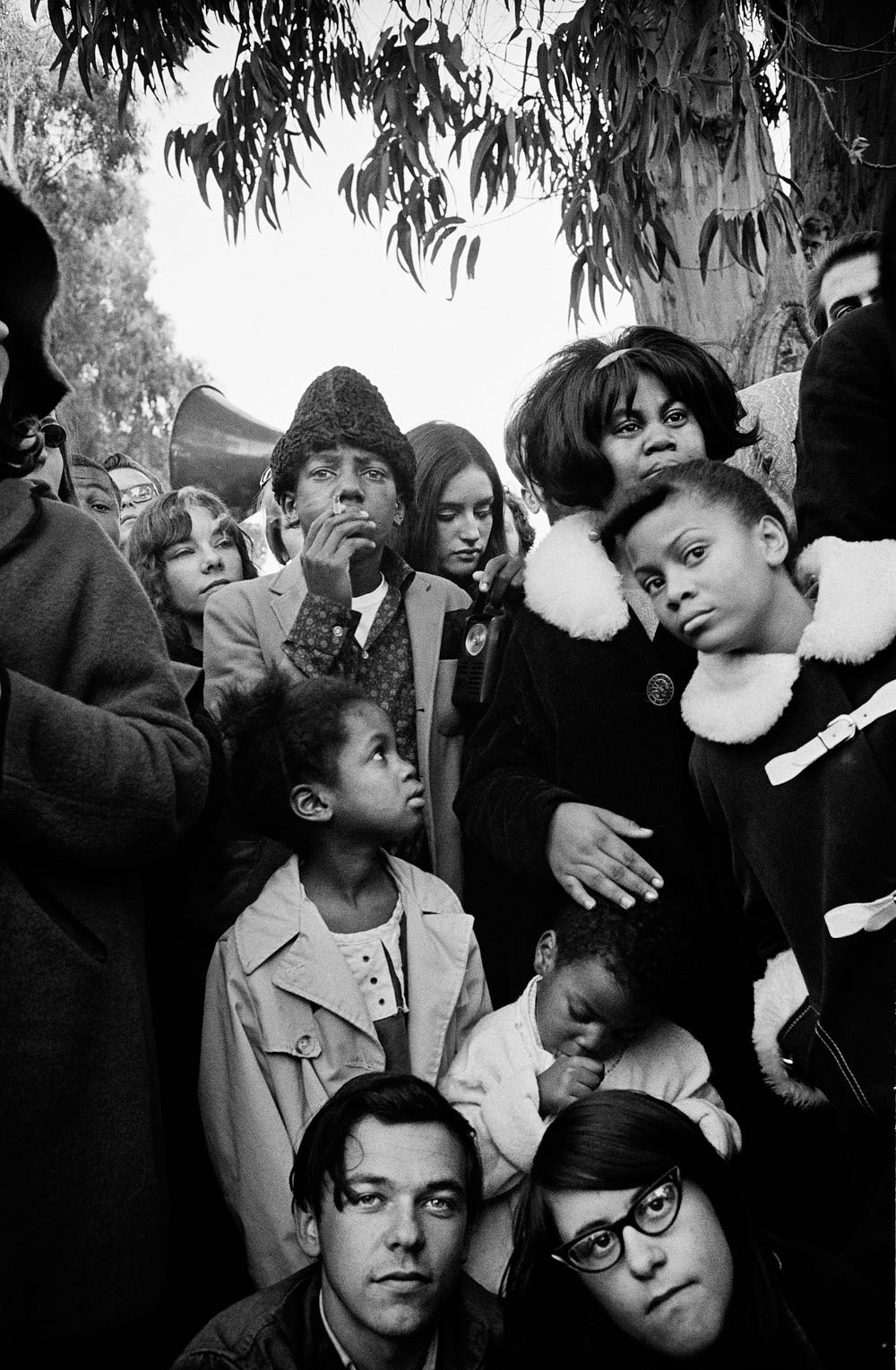
Panhandle crowd at Hells Angels’ Thanks for Diggers New Years Day Wail, January 1, 1967. © Jim Marshall Photography LLC
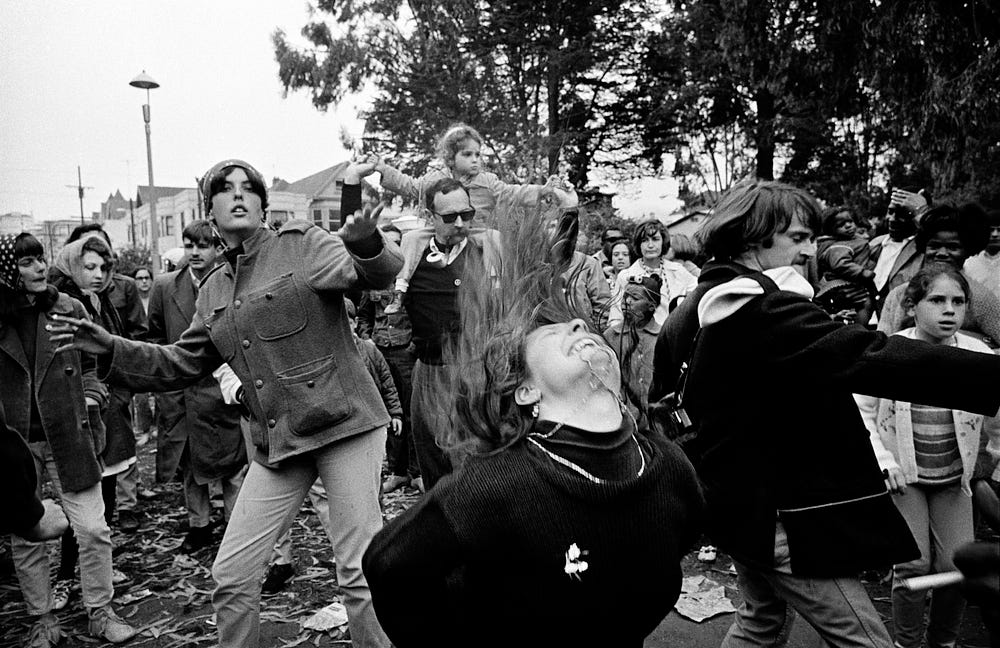
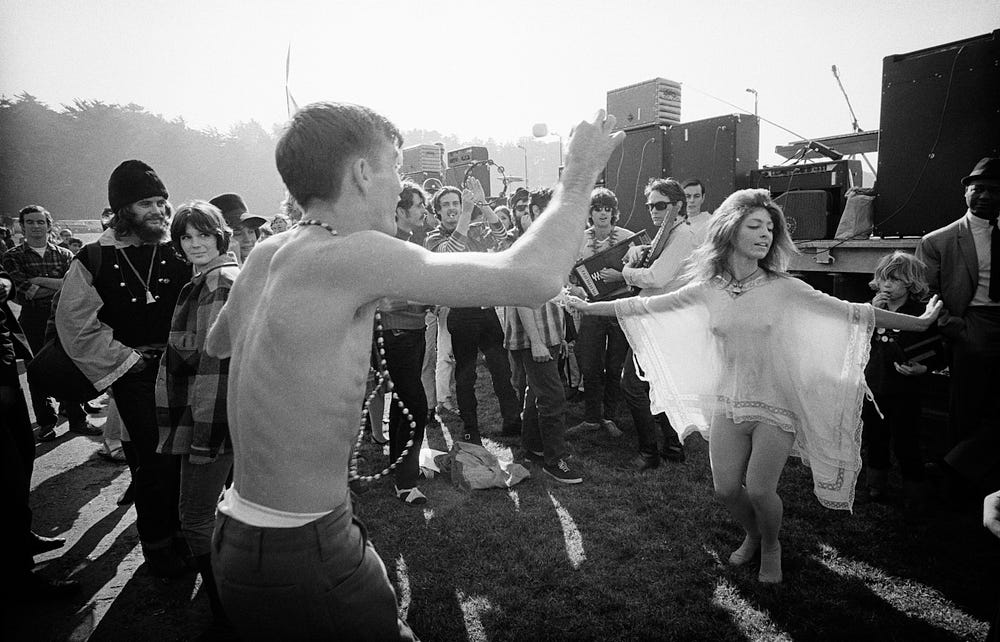
Dancing in the Panhandle, June 1967. © Jim Marshall Photography LLC
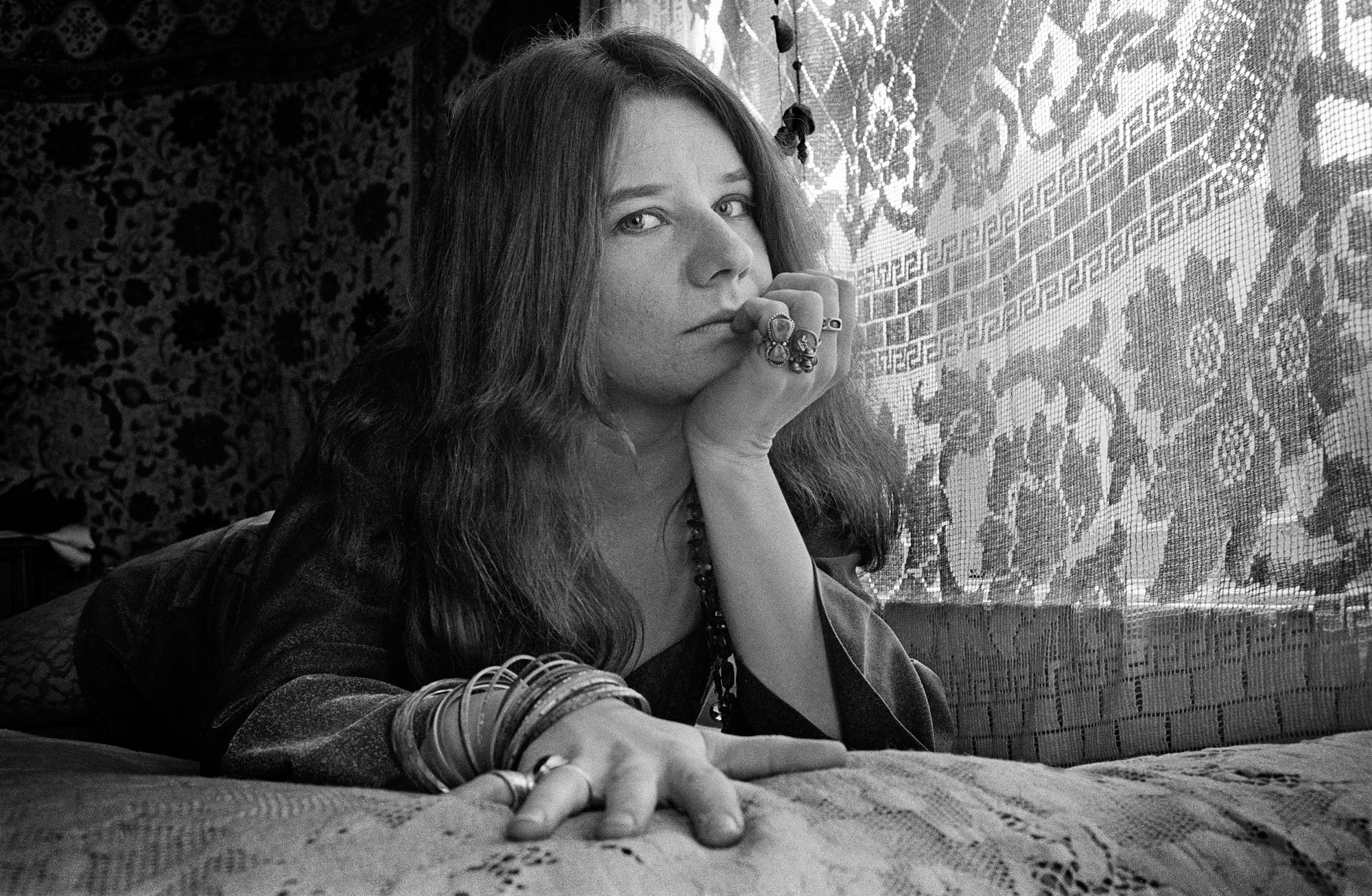
Janis Joplin on her bed, taken in her apartment on Lyon Street, December 1967. © Jim Marshall Photography LLC
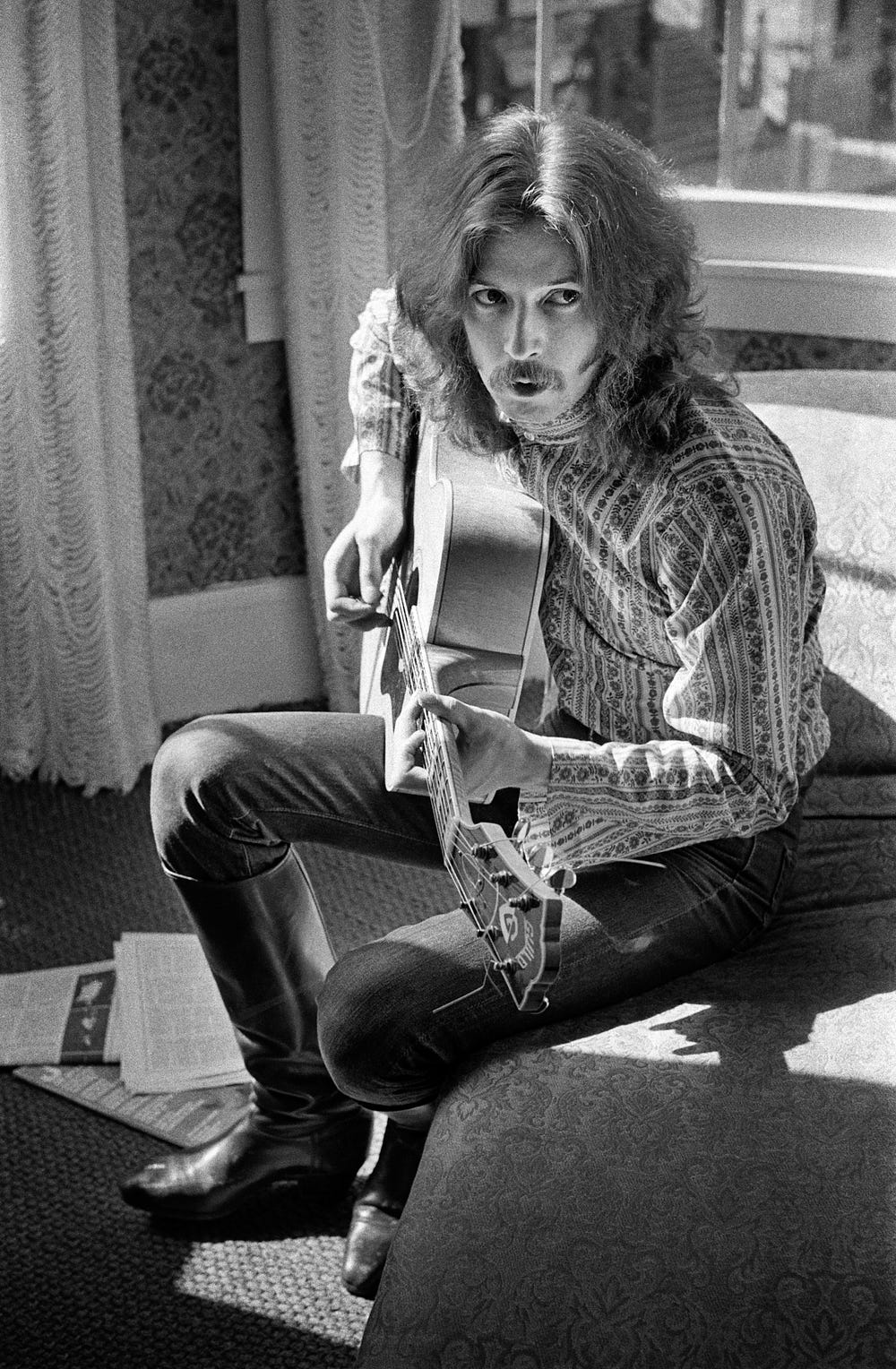
Eric Clapton playing guitar in Jim Marshall’s apartment on Union Street, August 1967. © Jim Marshall Photography LLC
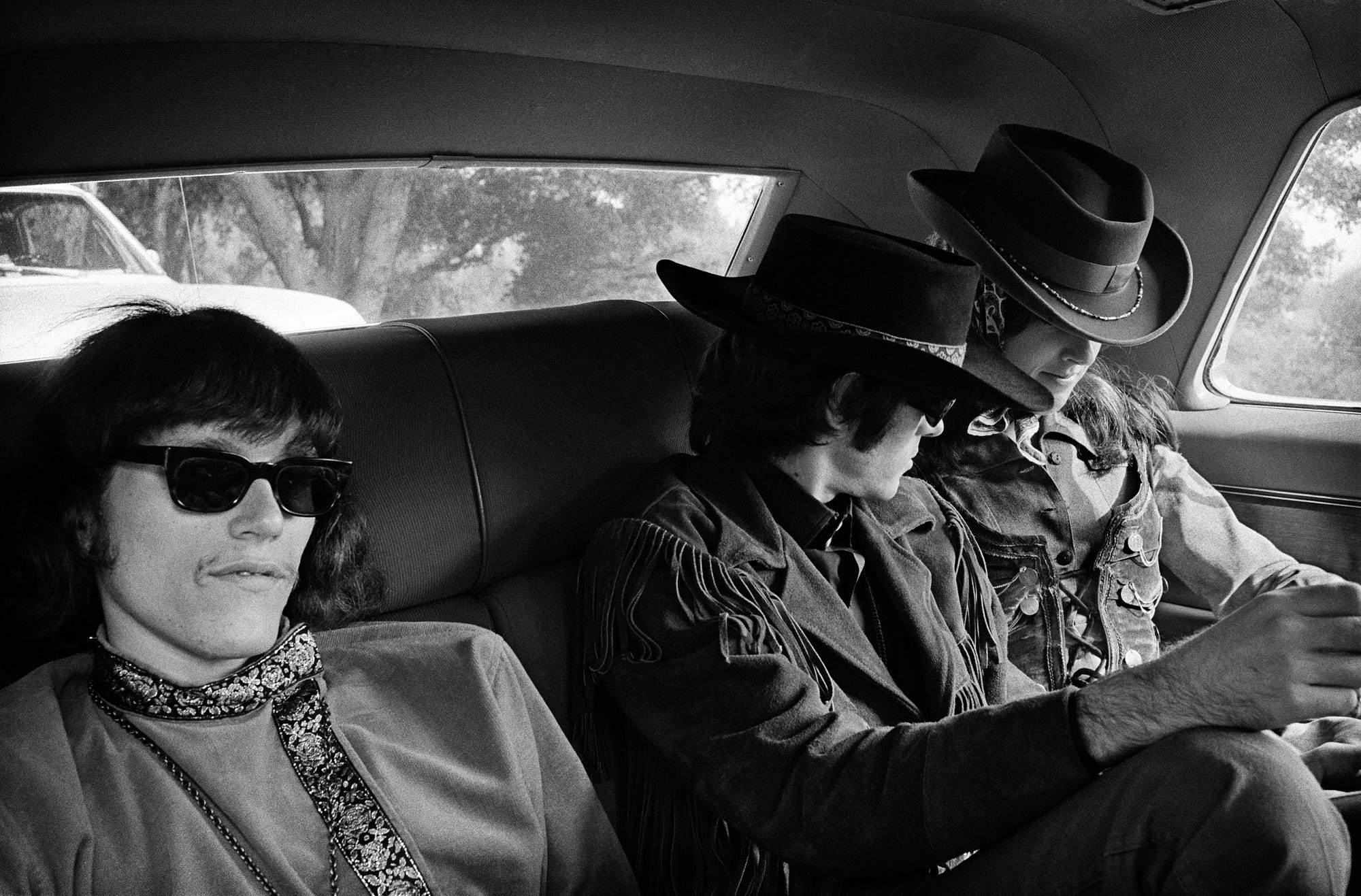
Jorma Kaukonen, Spencer Dryden, and Grace Slick during a photo shoot in Golden Gate Park, May 1967. © Jim Marshall Photography LLC
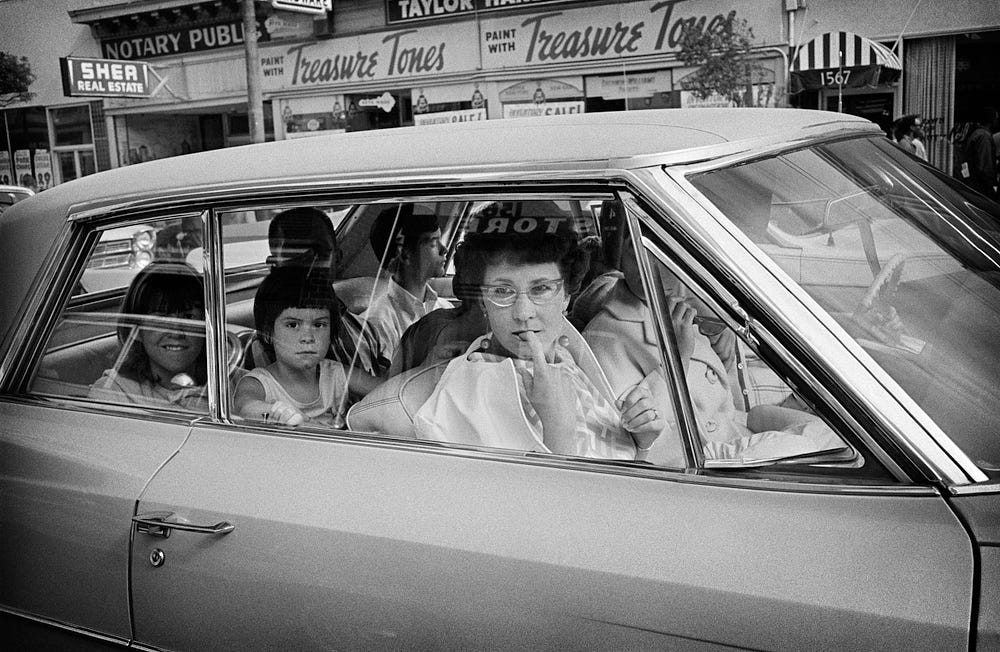
A family driving down Haight Street, looking at hippies, June 1967. © Jim Marshall Photography LLC
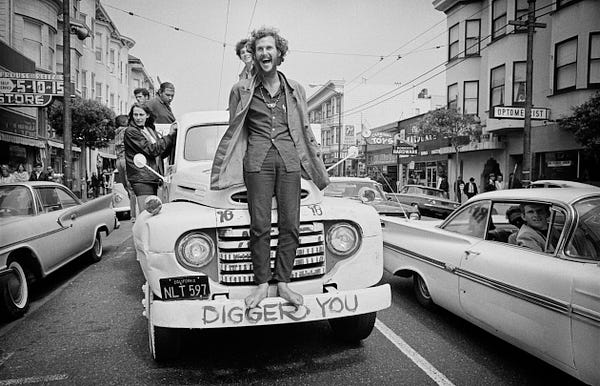
(L) Krishna’s Kirtan, a sacred chant music group, on the Diggers truck during the Ratha-Yatra Festival on Haight Street, July 9, 1967. / (R) Hells Angels Thanks for Diggers New Years Day Wail free concert in the Panhandle, January 1, 1967. © Jim Marshall Photography LLC
People dancing and enjoying the Human Be-In at Golden Gate Park Polo Fields, January 14, 1967. © Jim Marshall Photography LLC
Timothy Leary, Allen Ginsberg, and Gary Snyder onstage telling everyone to “Turn on, tune in, and drop out” at the Human Be-In at Golden Gate Park Polo Fields, January 14, 1967. © Jim Marshall Photography LLC
Jerry Garcia and Carolyn “Mountain Girl” Garcia on the steps of the Grateful Dead house at 710 Ashbury Street, May 1967. © Jim Marshall Photography LLC
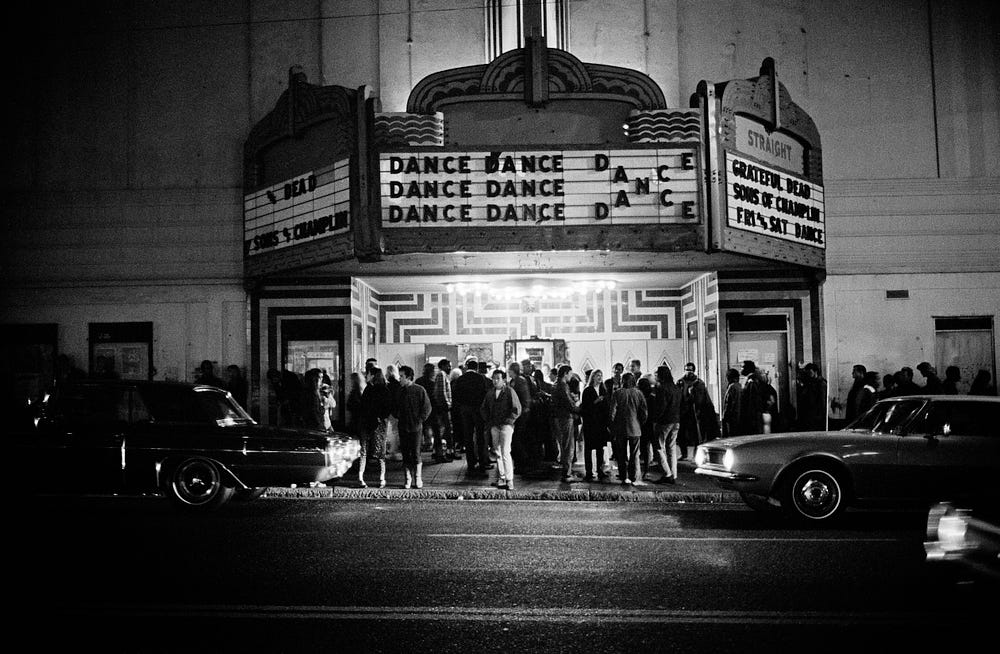
The Straight Theater on Haight Street, September 1967. © Jim Marshall Photography LLC