

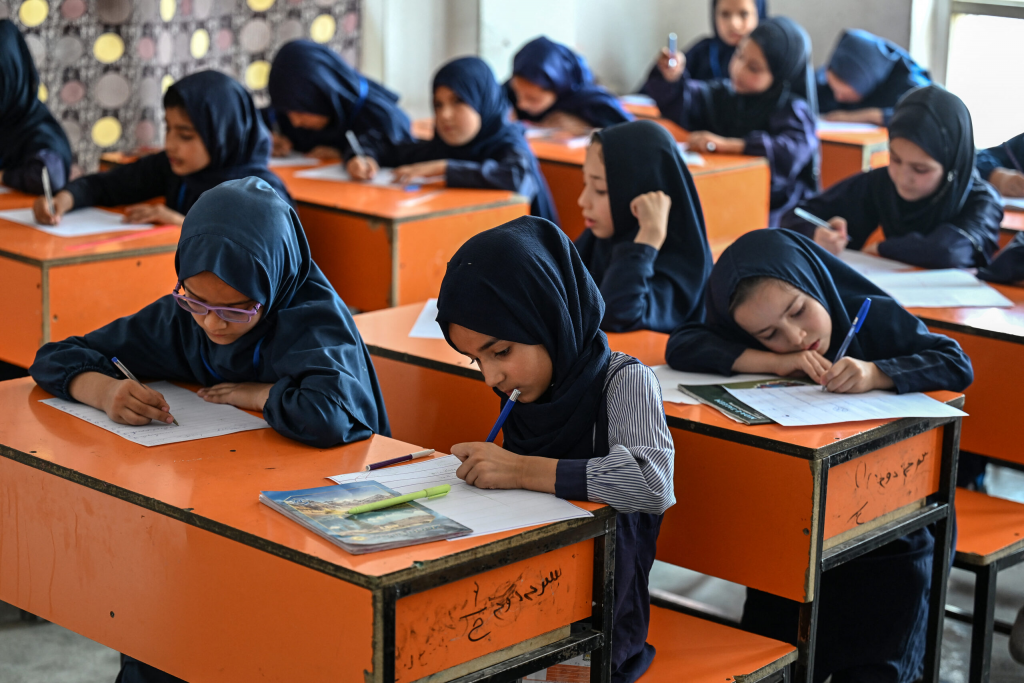
| The Future the Taliban Cannot Control Five years ago this month, the fall of Kabul ended two decades of U.S.-led engagement in Afghanistan, returning the Taliban to power. Since then, the Taliban has built a system that bars women from public life — denying them more than a sixth-grade education and restricting movement without a male guardian. Yet Afghans are not giving up on a freer future; by phone, in underground classrooms, and from exile, journalists, educators, women’s rights advocates, and civic leaders are keeping a different Afghanistan alive. The following Journal of Democracy essays explain the stunning collapse of Kabul, where the United States and international community went wrong, and how Afghans continue to fight for their freedom. |
| The Future the Taliban Cannot Control Five years of repressive Taliban rule has not extinguished Afghans’ determination to shape a freer future. Mariam Safi and Damon Wilson The Collapse of Afghanistan The Afghan republic’s destruction was sewn into its founding. The international community’s missteps are more responsible for its failure than the country’s supposedly endemic corruption. Jennifer Brick Murtazashvili Local Politics and Democratic State-Building Future state-building missions must learn from the failure of past U.S. interventions: It is critical to work with local power-brokers rather than relying on a centralized state. Roger B. Myerson Drowning Democracy Afghanistan taught us that a firehose of unaccountable aid can destroy a country’s democratic future. In Ukraine, we are making the same mistake all over again. Jennifer Brick Murtazashvili and Nataliia Shapoval |
| The Journal of Democracy is published quarterly in January, April, July, and October. Subscribe now for full access to our archives. |
