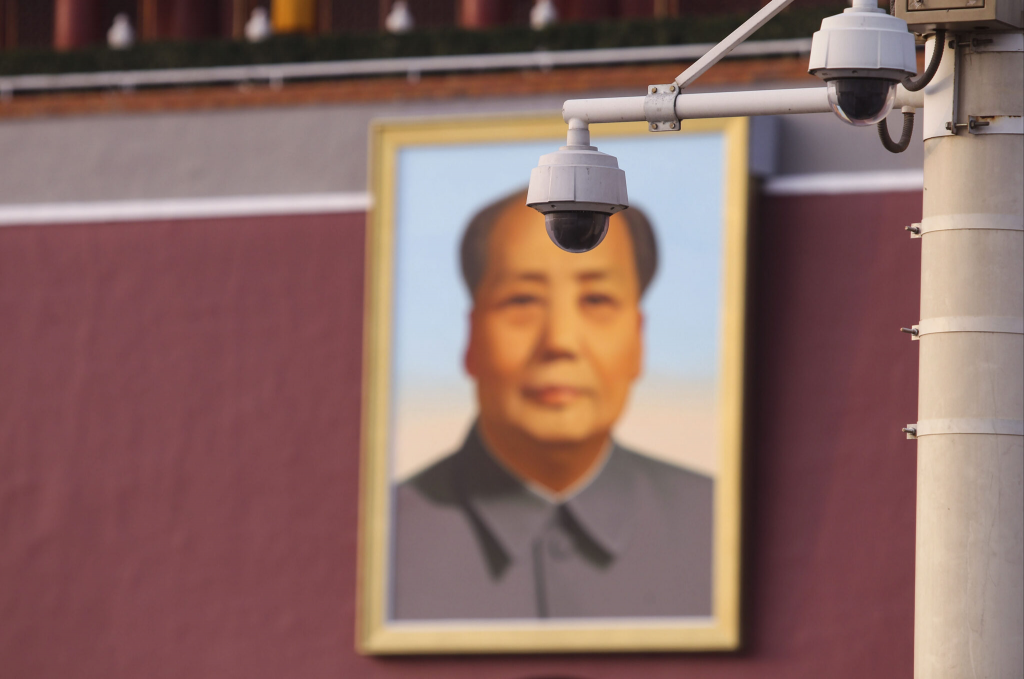
| What Democracy Does . . . And Does Not Do People are losing faith in democracy’s ability to deliver social progress. But are democracies better than autocracies at promoting economic growth, alleviating poverty, and creating healthier, more educated, and more peaceful societies? On all counts, the answer is yes. By Maya Tudor |
| Misunderstanding Democratic Backsliding If democracies did a better job “delivering” for their citizens, so the thinking goes, people would not be so ready to embrace antidemocratic alternatives. Not so. This conventional wisdom about democratic backsliding is seldom true and often not accurate at all. By Thomas Carothers and Brendan Hartnett |
| When Should the Majority Rule? With illiberal forces ascendant across the globe, protecting individual liberties and the democratic process is crucial. But when institutions empower minority groups over the majority, can democracy survive? By Steven Levitsky and Daniel Ziblatt |
| The Rise of Political Violence in the United States In a deeply polarized United States, ordinary people now consume and espouse once-radical ideas and are primed to commit violence. By Rachel Kleinfeld |
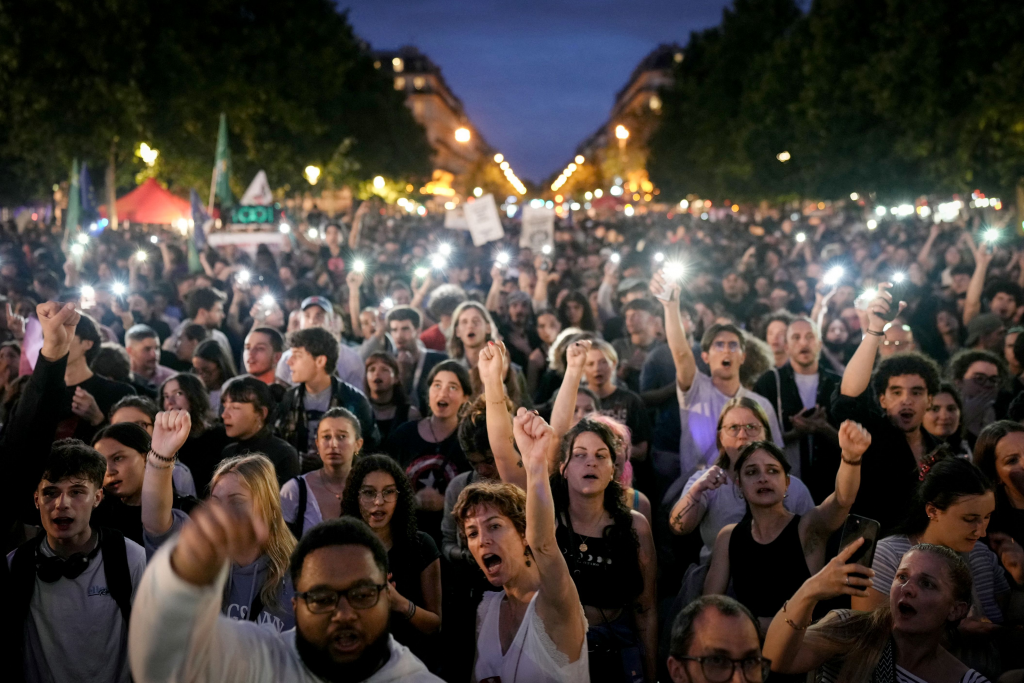
| The Future of Nonviolent Resistance In the decade leading up to the covid-19 pandemic, nonviolent civil resistance grew more popular than ever—but its effectiveness had already started to plummet. The future of nonviolent resistance may depend on movements’ ability to move beyond mass protests toward exploring alternative tactics and developing smarter, longer-term strategies. By Erica Chenoweth |
| What Putin Fears Most Forget his excuses. Russia’s autocrat doesn’t worry about NATO. What terrifies him is the prospect of a flourishing Ukrainian democracy. By Robert Person and Michael McFaul |
| Why Ukraine Shouldn’t Negotiate with Putin Many pundits cry for a negotiated settlement to end the war between Russia and Ukraine. But they misunderstand Vladimir Putin’s motives. The only just end to the war will be in the trenches, not at the bargaining table. By Robert Person |
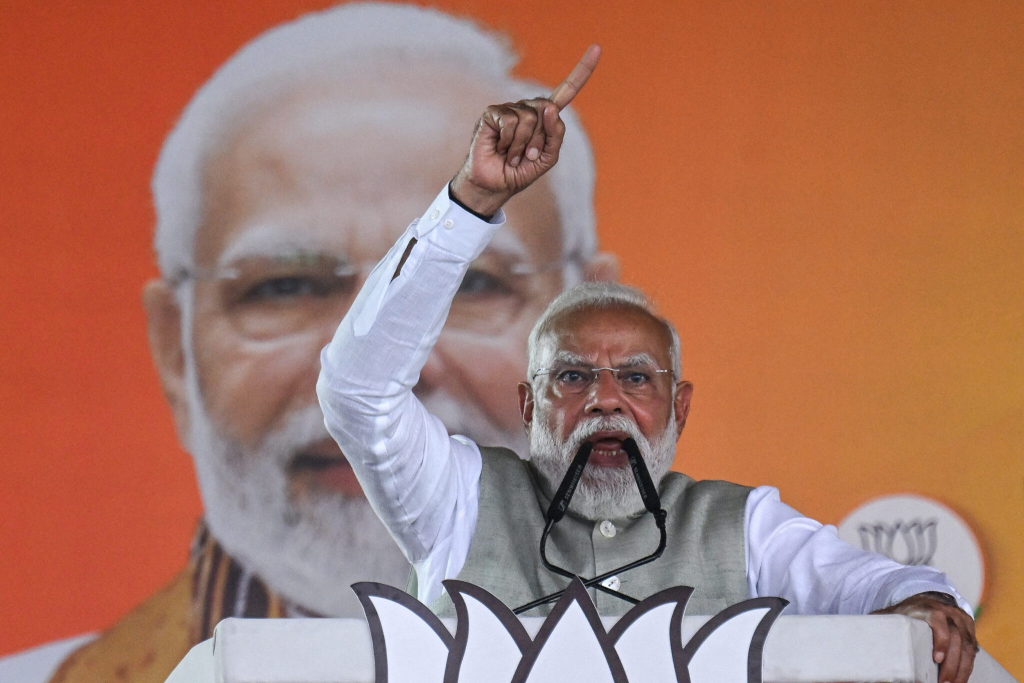
| Why India’s Democracy Is Dying Under Narendra Modi, India is maintaining the trappings of democracy while it increasingly harasses the opposition, attacks minorities, and stifles dissent. It can still reverse course, but the damage is mounting. By Maya Tudor |
| Why Gen-Z Is Rising Young people from Peru to Madagascar to Nepal—furious with political elites reaping the spoils of privilege and corruption—are rising up to demand change. But what happens when their movements succeed? By Erica Chenoweth and Matthew Cebul |
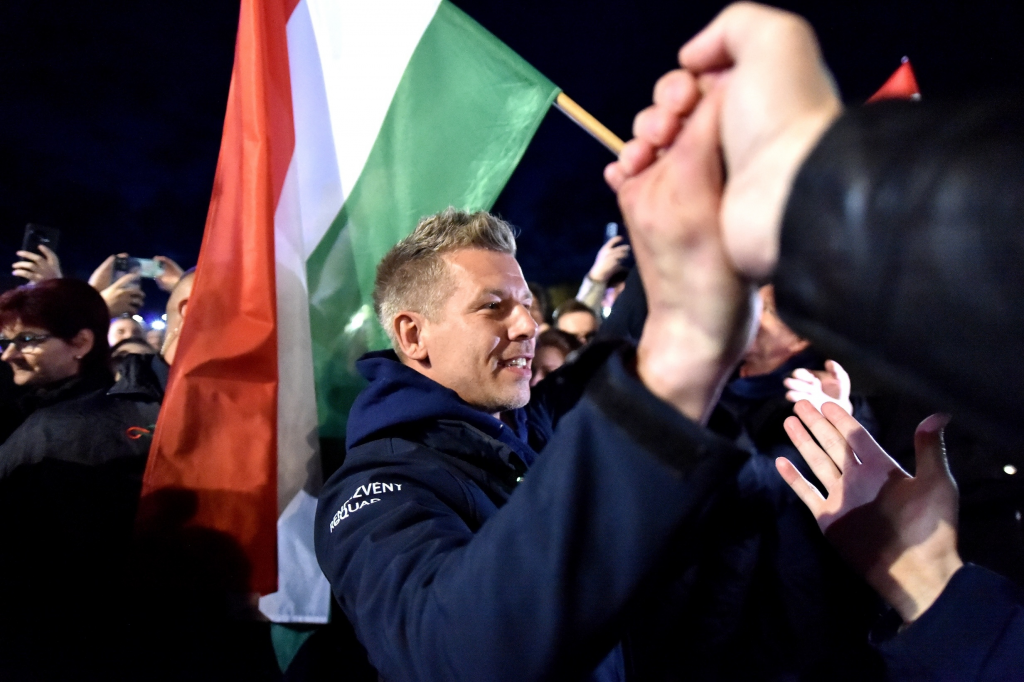
| Can Péter Magyar Restore Hungary’s Democracy? He did the hard work of defeating Viktor Orbán. But Hungary’s new prime minister faces the harder task of undoing the damage his predecessor wrought. Can he do it while avoiding the traps Orbán left in his wake? By Kim Lane Scheppele |
| The Journal of Democracy is published quarterly in January, April, July, and October. Subscribe now for full access to our archives. |
 |