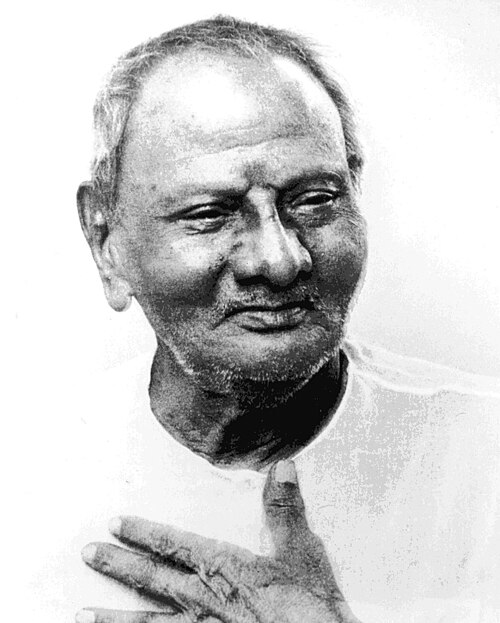
“Whatever happens, happens to you by you, through you; you are the creator, enjoyer and destroyer of all you perceive.”
~ Nisargadatta
Nisargadatta Maharaj was an Indian guru of nonduality, belonging to the Inchagiri Sampradaya, a lineage of teachers from the Navnath Sampradaya. Wikipedia
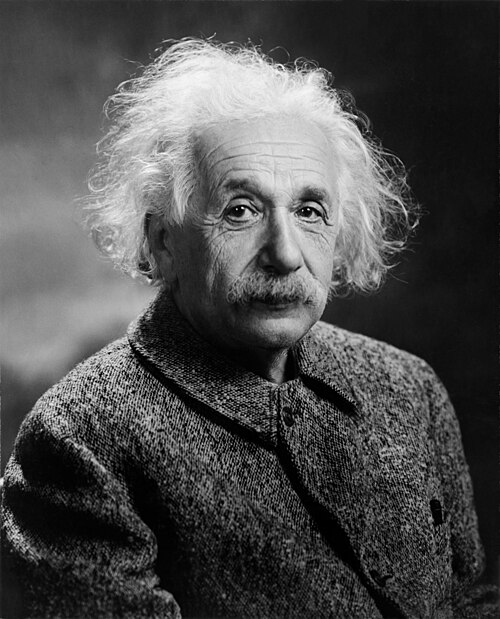
“I must be willing to give up what I am in order to become what I will be.”
– Albert Einstein
Albert Einstein was a German-born physicist who revolutionized physics and our understanding of the universe. He’s best known for his theory of relativity, which helped scientists understand how the universe works. His famous equation, E=mc², describes how matter can be converted into energy. Einstein’s work also contributed to quantum mechanics and statistics. He won the 1921 Nobel Prize in Physics for his explanation of the photoelectric effect.
“Do not seek the ‘because’ – in love there is no ‘because’, no reason, no explanation, no solutions.”
― Anaïs Nin
Angela Anaïs Juana Antolina Rosa Edelmira Nin y Culmell was a French-born American diarist, essayist, novelist, and writer of short stories and erotica. Born to Cuban parents in France, Nin was the daughter of the composer Joaquín Nin and the classically trained singer Rosa Culmell. Wikipedia
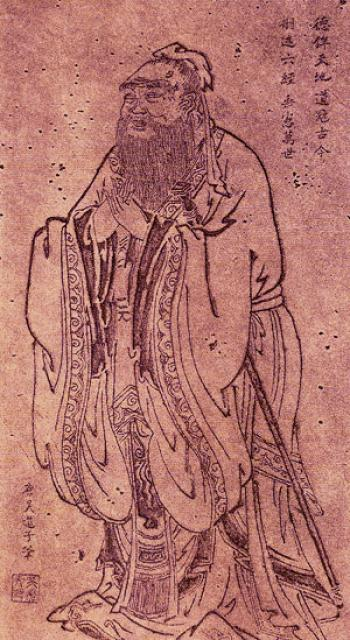
Depiction of Confucius by Wu Daozi, 8th century CE
“Heaven means to be one with God.”
~ Confucius
Confucius, born Kong Qiu, was a Chinese philosopher of the Spring and Autumn period who is traditionally considered the paragon of Chinese sages. Much of the shared cultural heritage of the Sinosphere originates in the philosophy and teachings of Confucius. Wikipedia
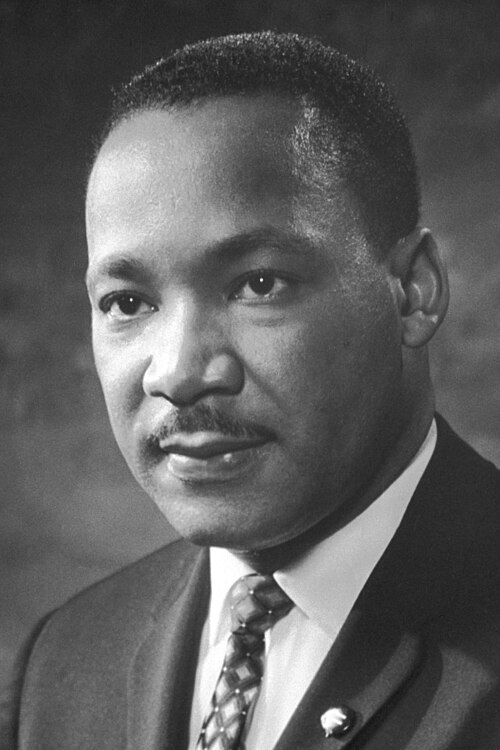
“If a man is called to be a street sweeper, he should sweep streets even as a Michaelangelo painted, or Beethoven composed music or Shakespeare wrote poetry. He should sweep streets so well that all the hosts of heaven and earth will pause to say, ‘Here lived a great street sweeper who did his job well.'”
~ Martin Luther King, Jr.
Martin Luther King Jr. was an American civil rights activist and Baptist minister who was a prominent leader of the civil rights movement from 1955 until his assassination in 1968. Wikipedia
Yes, Martin Luther King Jr. was indeed a Capricorn. Born on January 15, 1929, his Sun sign falls squarely within the Capricorn astrological period (December 22 – January 19).
Astrologers often point to how his personality perfectly embodied classic Capricorn traits, which include:
Steadfast Leadership: Capricorns are cardinal earth signs known for being natural, pragmatic, and hard-working leaders who organize groups effectively.
Long-Term Focus: He was deeply committed to achieving structural change and results rather than just making statements.
Resilience: Known for navigating adversity with patience, dedication, and strength. The Riviera Press +4
In addition to his Capricorn Sun, his astrological chart prominently featured a compassionate Pisces Moon, which is often credited with giving him the empathy and emotional depth to lead a non-violent movement.
“The old world is dying, and the new world struggles to be born: now is the time of monsters.”
― Antonio Gramsci
Antonio Francesco Gramsci was an Italian Marxist philosopher, journalist and politician. He was a founding member and one-time leader of the Italian Communist Party. A vocal critic of Benito Mussolini and fascism, he was imprisoned in 1926, and remained in prison until shortly before his death in 1937. Wikipedia
Depiction of Confucius by Wu Daozi, 8th century CE
“A common man marvels at uncommon things. A wise man marvels at the commonplace.”
~ Confucius
Confucius, born Kong Qiu, was a Chinese philosopher of the Spring and Autumn period who is traditionally considered the paragon of Chinese sages. Much of the shared cultural heritage of the Sinosphere originates in the philosophy and teachings of Confucius. Wikipedia
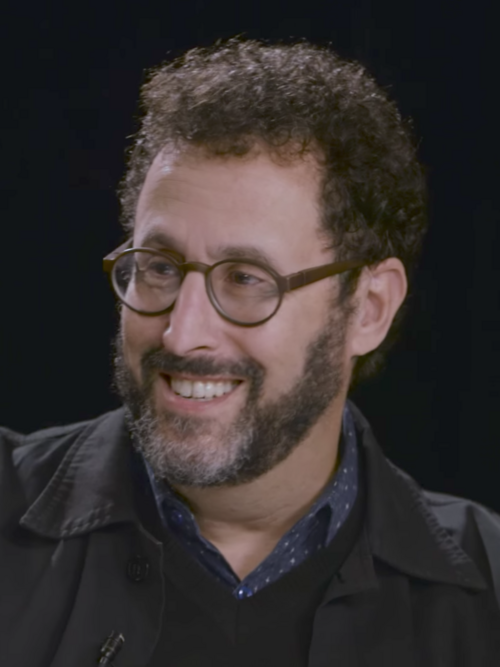
“The smallest indivisible human unit is two people, not one; one is a fiction. From such nets of souls societies, the social world, human life springs.”
― Tony Kushner
Anthony Robert Kushner is an American author, playwright, and screenwriter. Among his stage work, he is most known for Angels in America, which earned a Pulitzer Prize and a Tony Award, as well as its subsequent acclaimed HBO miniseries of the same name. Wikipedia
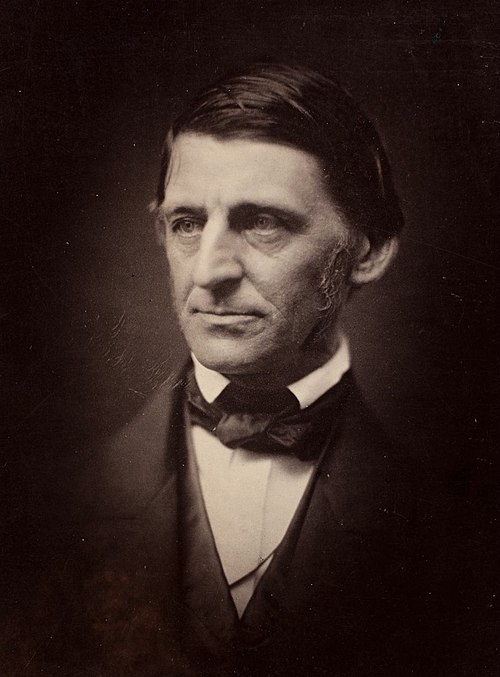
“I am to invite men drenched in Time to recover themselves and come out of time, and taste their native immortal air.
–Ralph waldo Emerson
Ralph Waldo Emerson was a prominent American writer, poet, philosopher, and lecturer who led the Transcendentalist movement in the mid-19th century. His ideas on literature, religion, and philosophy influenced many writers, including Walt Whitman and Henry David Thoreau. Emerson studied at Harvard Divinity School and became a minister, but made his living as a lecturer and schoolmaster. He is known for his publications Essays and Nature. Wikipedia.org
“The changes that appear to occur in the empty worldwe call real only because of our ignorance.Do not search for the truth; only cease to cherish opinions.”
~ Hsin Hsin Ming
Xinxin Ming, meaning literally: “Faith-Mind Inscription,” is a poem attributed to the Third Chinese Chán Patriarch Jianzhi Sengcan and one of the earliest Chinese Chan expressions of the Buddhist mind training practice. It is located in section T2010 of the Taisho Tripitaka. Wikipedia
Consciousness, spirituality, biography, sexuality, androgyny, futurism, space, the arts, science, astrology, democracy, humor, books, movies and more