Neuroplasticity

From Wikipedia, the free encyclopedia

“Neural plasticity” redirects here. For the journal, see Neural Plasticity (journal). For the 2014 Cold Specks album, see Neuroplasticity (album).

Neuroplasticity, also known as neural plasticity or brain plasticity, is the ability of neural networks in the brain to change through growth and reorganization. It is when the brain is rewired to function in some way that differs from how it previously functioned.[1] These changes range from individual neuron pathways making new connections, to systematic adjustments like cortical remapping or neural oscillation. Other forms of neuroplasticity include homologous area adaptation, cross modal reassignment, map expansion, and compensatory masquerade.[2] Examples of neuroplasticity include circuit and network changes that result from learning a new ability, information acquisition, environmental influences, practice, and psychological stress.[3][4][5][6][7][8]

Neuroplasticity was once thought by neuroscientists to manifest only during childhood,[9][10] but research in the latter half of the 20th century showed that many aspects of the brain can be altered (or are “plastic”) even through adulthood.[11] However, the developing brain exhibits a higher degree of plasticity than the adult brain.[12] Activity-dependent plasticity can have significant implications for healthy development, learning, memory, and recovery from brain damage.[13][14][15]

History

Origin

The term plasticity was first applied to behavior in 1890 by William James in The Principles of Psychology where the term was used to describe “a structure weak enough to yield to an influence, but strong enough not to yield all at once”.[16][17] The first person to use the term neural plasticity appears to have been the Polish neuroscientist Jerzy Konorski.[11][18]

One of the first experiments providing evidence for the neuroplasticity phenomenon was conducted in 1793, by Italian anatomist Michele Vicenzo Malacarne, who described experiments in which he paired animals, trained one of the pair extensively for years, and then dissected both. Malacarne discovered that the cerebellums of the trained animals were substantially larger than the cerebellum of the untrained animals. However, while these findings were significant, they were eventually forgotten.[19] In 1890, the idea that the brain and its function are not fixed throughout adulthood was proposed by William James in The Principles of Psychology, though the idea was largely neglected.[17] Up until the 1970s, neuroscientists believed that the brain’s structure and function was essentially fixed throughout adulthood.[20]

While the brain was commonly understood as a nonrenewable organ in the early 1900s, Santiago Ramón y Cajalfather of neuroscience, used the term neuronal plasticity to describe nonpathological changes in the structure of adult brains. Based on his renowned neuron doctrine, Cajal first described the neuron as the fundamental unit of the nervous system that later served as an essential foundation to develop the concept of neural plasticity.[21] He used the term plasticity in reference to his work on findings of degeneration and regeneration in the central nervous system after a person had reached adulthood, specifically. Many neuroscientists used the term plasticity only to explain the regenerative capacity of the peripheral nervous system, which Cajal’s conceptual transfer of the term gave rise to a controversial discussion.[22]

The term has since been broadly applied:

Given the central importance of neuroplasticity, an outsider would be forgiven for assuming that it was well defined and that a basic and universal framework served to direct current and future hypotheses and experimentation. Sadly, however, this is not the case. While many neuroscientists use the word neuroplasticity as an umbrella term it means different things to different researchers in different subfields … In brief, a mutually agreed-upon framework does not appear to exist.[23]

Research and discovery

In 1923, Karl Lashley conducted experiments on rhesus monkeys that demonstrated changes in neuronal pathways, which he concluded were evidence of plasticity. Despite this, and other research that suggested plasticity took place, neuroscientists did not widely accept the idea of neuroplasticity.

In 1945, Justo Gonzalo concluded from his research on brain dynamics, that, contrary to the activity of the projection areas, the “central” cortical mass (more or less equidistant from the visual, tactile and auditive projection areas), would be a “maneuvering mass”, rather unspecific or multisensory, with capacity to increase neural excitability and re-organize the activity by means of plasticity properties.[24] He gives as a first example of adaptation, to see upright with reversing glasses in the Stratton experiment,[25] and specially, several first-hand brain injuries cases in which he observed dynamic and adaptive properties in their disorders, in particular in the inverted perception disorder [e.g., see pp 260–62 Vol. I (1945), p 696 Vol. II (1950)].[24] He stated that a sensory signal in a projection area would be only an inverted and constricted outline that would be magnified due to the increase in recruited cerebral mass, and re-inverted due to some effect of brain plasticity, in more central areas, following a spiral growth.[26]

Marian Diamond of the University of California, Berkeley, produced the first scientific evidence of anatomical brain plasticity, publishing her research in 1964.[27][28]

Other significant evidence was produced in the 1960s and after, notably from scientists including Paul Bach-y-RitaMichael Merzenich along with Jon Kaas, as well as several others.[20][29]

In the 1960s, Paul Bach-y-Rita invented a device that was tested on a small number of people, and involved a person sitting in a chair, embedded in which were nubs that were made to vibrate in ways that translated images received in a camera, allowing a form of vision via sensory substitution.[30][31]

Studies in people recovering from stroke also provided support for neuroplasticity, as regions of the brain that remained healthy could sometimes take over, at least in part, functions that had been destroyed; Shepherd Ivory Franz did work in this area.[32][33]

Eleanor Maguire documented changes in hippocampal structure associated with acquiring the knowledge of London’s layout in local taxi drivers.[34][35][36] A redistribution of grey matter was indicated in London Taxi Drivers compared to controls. This work on hippocampal plasticity not only interested scientists, but also engaged the public and media worldwide.

Michael Merzenich is a neuroscientist who has been one of the pioneers of neuroplasticity for over three decades. He has made some of “the most ambitious claims for the field – that brain exercises may be as useful as drugs to treat diseases as severe as schizophrenia – that plasticity exists from cradle to the grave, and that radical improvements in cognitive functioning – how we learn, think, perceive, and remember are possible even in the elderly.”[30] Merzenich’s work was affected by a crucial discovery made by David Hubel and Torsten Wiesel in their work with kittens. The experiment involved sewing one eye shut and recording the cortical brain maps. Hubel and Wiesel saw that the portion of the kitten’s brain associated with the shut eye was not idle, as expected. Instead, it processed visual information from the open eye. It was “…as though the brain didn’t want to waste any ‘cortical real estate’ and had found a way to rewire itself.”[30]

This implied neuroplasticity during the critical period. However, Merzenich argued that neuroplasticity could occur beyond the critical period. His first encounter with adult plasticity came when he was engaged in a postdoctoral study with Clinton Woosley. The experiment was based on observation of what occurred in the brain when one peripheral nerve was cut and subsequently regenerated. The two scientists micromapped the hand maps of monkey brains before and after cutting a peripheral nerve and sewing the ends together. Afterwards, the hand map in the brain that they expected to be jumbled was nearly normal. This was a substantial breakthrough. Merzenich asserted that, “If the brain map could normalize its structure in response to abnormal input, the prevailing view that we are born with a hardwired system had to be wrong. The brain had to be plastic.”[30] Merzenich received the 2016 Kavli Prize in Neuroscience “for the discovery of mechanisms that allow experience and neural activity to remodel brain function.”[37]

Neurobiology

There are different ideas and theories on what biological process allow for neuroplasticity to occur. The core of this phenomenon is based upon synapses and how connections between them change based on neuron functioning. It is widely agreed upon that neuroplasticity takes on many forms, as it is a result of a variety of pathways. These pathways, mainly signaling cascades, allow for gene expression alterations that lead to neuronal changes, and thus neuroplasticity.

There are a number of other factors that are thought to play a role in the biological processes underlying the changing of neural networks in the brain. Some of these factors include synapse regulation via phosphorylation, the role of inflammation and inflammatory cytokines, proteins such as Bcl-2 proteins and neutrophorins, and energy production via mitochondria.[38]

JT Wall and J Xu have traced the mechanisms underlying neuroplasticity. Re-organization is not cortically emergent, but occurs at every level in the processing hierarchy; this produces the map changes observed in the cerebral cortex.[39]

Types

Christopher Shaw and Jill McEachern (eds) in “Toward a theory of Neuroplasticity”, state that there is no all-inclusive theory that overarches different frameworks and systems in the study of neuroplasticity. However, researchers often describe neuroplasticity as “the ability to make adaptive changes related to the structure and function of the nervous system.”[40] Correspondingly, two types of neuroplasticity are often discussed: structural neuroplasticity and functional neuroplasticity.

Structural neuroplasticity

Structural plasticity is often understood as the brain’s ability to change its neuronal connections. New neurons are constantly produced and integrated into the central nervous system throughout the life span based on this type of neuroplasticity.[41] Researchers nowadays use multiple cross-sectional imaging methods (i.e. magnetic resonance imaging (MRI), computerized tomography (CT)) to study the structural alterations of the human brains.[42] This type of neuroplasticity often studies the effect of various internal or external stimuli on the brain’s anatomical reorganization. The changes of grey matter proportion or the synaptic strength in the brain are considered as examples of structural neuroplasticity. Structural neuroplasticity is currently investigated more within the field of neuroscience in current academia.[21]

Functional neuroplasticity

Functional plasticity refers to the brain’s ability to alter and adapt the functional properties of neurons. Functional plasticity can occur in four known ways namely homologous area adaptation, map expansion, cross- model reassignment, and compensatory masquerade.[2] Through homologous area adaptation a cognitive task is shifted from a damaged part of the brain to its homologous area in the brain. Functional changes like this occur usually in children rather than adults. In map expansion, cortical maps related to particular cognitive tasks expand due to frequent exposure to stimuli. Map expansion has been proven through experiments performed in relation to the study: experiment on effect of frequent stimulus on functional connectivity of the brain was observed in individuals learning spatial routes.[43] Cross-model reassignment involves reception of novel input signals to a brain region which has been stripped off its default input. Functional plasticity through compensatory masquerade occurs using different cognitive processes for an already established cognitive task.

The changes can occur in response to previous activity (activity-dependent plasticity) to acquire memory or in response to malfunction or damage of neurons (maladaptive plasticity) to compensate a pathological event. In the latter case the functions from one part of the brain transfer to another part of the brain based on the demand to produce recovery of behavioral or physiological processes.[44] Regarding physiological forms of activity-dependent plasticity, those involving synapses are referred to as synaptic plasticity. The strengthening or weakening of synapses that results in an increase or decrease of firing rate of the neurons are called long-term potentiation (LTP) and long-term depression (LTD), respectively, and they are considered as examples of synaptic plasticity that are associated with memory.[45] The cerebellum is a typical structure with combinations of LTP/LTD and redundancy within the circuitry, allowing plasticity at several sites.[46] More recently it has become clearer that synaptic plasticity can be complemented by another form of activity-dependent plasticity involving the intrinsic excitability of neurons, which is referred to as intrinsic plasticity.[47][48][49] This, as opposed to homeostatic plasticity does not necessarily maintain the overall activity of a neuron within a network but contributes to encoding memories.[50] Also, many studies have indicated functional neuroplasticity in the level of brain networks, where training alters the strength of functional connections.[51][52] Although a recent study discusses that these observed changes should not directly relate to neuroplasticity, since they may root in the systematic requirement of the brain network for reorganization.[53]

Applications and examples

The adult brain is not entirely “hard-wired” with fixed neuronal circuits. There are many instances of cortical and subcortical rewiring of neuronal circuits in response to training as well as in response to injury.

There is ample evidence[54] for the active, experience-dependent re-organization of the synaptic networks of the brain involving multiple inter-related structures including the cerebral cortex.[55] The specific details of how this process occurs at the molecular and ultrastructural levels are topics of active neuroscience research. The way experience can influence the synaptic organization of the brain is also the basis for a number of theories of brain function including the general theory of mind and neural Darwinism. The concept of neuroplasticity is also central to theories of memory and learning that are associated with experience-driven alteration of synaptic structure and function in studies of classical conditioning in invertebrate animal models such as Aplysia.

There is evidence that neurogenesis (birth of brain cells) occurs in the adult, rodent brain—and such changes can persist well into old age.[56] The evidence for neurogenesis is mainly restricted to the hippocampus and olfactory bulb, but research has revealed that other parts of the brain, including the cerebellum, may be involved as well.[57] However, the degree of rewiring induced by the integration of new neurons in the established circuits is not known, and such rewiring may well be functionally redundant.[58]

Treatment of brain damage

A surprising consequence of neuroplasticity is that the brain activity associated with a given function can be transferred to a different location; this can result from normal experience and also occurs in the process of recovery from brain injury. Neuroplasticity is the fundamental issue that supports the scientific basis for treatment of acquired brain injury with goal-directed experiential therapeutic programs in the context of rehabilitation approaches to the functional consequences of the injury.

Neuroplasticity is gaining popularity as a theory that, at least in part, explains improvements in functional outcomes with physical therapy post-stroke. Rehabilitation techniques that are supported by evidence which suggest cortical reorganization as the mechanism of change include constraint-induced movement therapyfunctional electrical stimulation, treadmill training with body-weight support, and virtual reality therapyRobot assisted therapy is an emerging technique, which is also hypothesized to work by way of neuroplasticity, though there is currently insufficient evidence to determine the exact mechanisms of change when using this method.[59]

One group has developed a treatment that includes increased levels of progesterone injections in brain-injured patients. “Administration of progesterone after traumatic brain injury[60] (TBI) and stroke reduces edema, inflammation, and neuronal cell death, and enhances spatial reference memory and sensory-motor recovery.”[61] In a clinical trial, a group of severely injured patients had a 60% reduction in mortality after three days of progesterone injections.[62] However, a study published in the New England Journal of Medicine in 2014 detailing the results of a multi-center NIH-funded phase III clinical trial of 882 patients found that treatment of acute traumatic brain injury with the hormone progesterone provides no significant benefit to patients when compared with placebo.[63]

Binocular vision

For decades, researchers assumed that humans had to acquire binocular vision, in particular stereopsis, in early childhood or they would never gain it. In recent years, however, successful improvements in persons with amblyopiaconvergence insufficiency or other stereo vision anomalies have become prime examples of neuroplasticity; binocular vision improvements and stereopsis recovery are now active areas of scientific and clinical research.[64][65][66]

Phantom limbs

A diagrammatic explanation of the mirror box. The patient places the intact limb into one side of the box (in this case the right hand) and the amputated limb into the other side. Due to the mirror, the patient sees a reflection of the intact hand where the missing limb would be (indicated in lower contrast). The patient thus receives artificial visual feedback that the “resurrected” limb is now moving when they move the good hand.

Main articles: Phantom limb and Mirror box

In the phenomenon of phantom limb sensation, a person continues to feel pain or sensation within a part of their body that has been amputated. This is strangely common, occurring in 60–80% of amputees.[67] An explanation for this is based on the concept of neuroplasticity, as the cortical maps of the removed limbs are believed to have become engaged with the area around them in the postcentral gyrus. This results in activity within the surrounding area of the cortex being misinterpreted by the area of the cortex formerly responsible for the amputated limb.

The relationship between phantom limb sensation and neuroplasticity is a complex one. In the early 1990s V.S. Ramachandran theorized that phantom limbs were the result of cortical remapping. However, in 1995 Herta Flor and her colleagues demonstrated that cortical remapping occurs only in patients who have phantom pain.[68] Her research showed that phantom limb pain (rather than referred sensations) was the perceptual correlate of cortical reorganization.[69] This phenomenon is sometimes referred to as maladaptive plasticity.

In 2009, Lorimer Moseley and Peter Brugger carried out an experiment in which they encouraged arm amputee subjects to use visual imagery to contort their phantom limbs into impossible[clarification needed] configurations. Four of the seven subjects succeeded in performing impossible movements of the phantom limb. This experiment suggests that the subjects had modified the neural representation of their phantom limbs and generated the motor commands needed to execute impossible movements in the absence of feedback from the body.[70] The authors stated that: “In fact, this finding extends our understanding of the brain’s plasticity because it is evidence that profound changes in the mental representation of the body can be induced purely by internal brain mechanisms—the brain truly does change itself.”

Chronic pain

Main article: Chronic pain

Individuals who have chronic pain experience prolonged pain at sites that may have been previously injured, yet are otherwise currently healthy. This phenomenon is related to neuroplasticity due to a maladaptive reorganization of the nervous system, both peripherally and centrally. During the period of tissue damage, noxious stimuli and inflammation cause an elevation of nociceptive input from the periphery to the central nervous system. Prolonged nociception from the periphery then elicits a neuroplastic response at the cortical level to change its somatotopic organization for the painful site, inducing central sensitization.[71] For instance, individuals experiencing complex regional pain syndrome demonstrate a diminished cortical somatotopic representation of the hand contralaterally as well as a decreased spacing between the hand and the mouth.[72] Additionally, chronic pain has been reported to significantly reduce the volume of grey matter in the brain globally, and more specifically at the prefrontal cortex and right thalamus.[73] However, following treatment, these abnormalities in cortical reorganization and grey matter volume are resolved, as well as their symptoms. Similar results have been reported for phantom limb pain,[74] chronic low back pain[75] and carpal tunnel syndrome.[76]

Meditation

Main article: Research on meditation

A number of studies have linked meditation practice to differences in cortical thickness or density of gray matter.[77][78][79][80] One of the most well-known studies to demonstrate this was led by Sara Lazar, from Harvard University, in 2000.[81] Richard Davidson, a neuroscientist at the University of Wisconsin, has led experiments in collaboration with the Dalai Lama on effects of meditation on the brain. His results suggest that meditation may lead to change in the physical structure of brain regions associated with attentionanxietydepressionfearanger, and compassion as well as the ability of the body to heal itself.[82][83]

Artistic engagement and art therapy

There is substantial evidence that artistic engagement in a therapeutic environment can create changes in neural network connections as well as increase cognitive flexibility.[84][85] In one 2013 study, researchers found evidence that long-term, habitual artistic training (e.g. musical instrument practice, purposeful painting, etc.) can “macroscopically imprint a neural network system of spontaneous activity in which the related brain regions become functionally and topologically modularized in both domain-general and domain-specific manners”.[86] In simple terms, brains repeatedly exposed to artistic training over long periods develop adaptations to make such activity both easier and more likely to spontaneously occur.

Some researchers and academics have suggested that artistic engagement has substantially altered the human brain throughout our evolutionary history. D.W Zaidel, adjunct professor of behavioral neuroscience and contributor at VAGA, has written that “evolutionary theory links the symbolic nature of art to critical pivotal brain changes in Homo sapiens supporting increased development of language and hierarchical social grouping”.[87]

Fitness and exercise

See also: Neurobiological effects of physical exercise § Structural growth

Aerobic exercise increases the production of neurotrophic factors (compounds that promote growth or survival of neurons), such as brain-derived neurotrophic factor (BDNF), insulin-like growth factor 1 (IGF-1), and vascular endothelial growth factor (VEGF).[88][89][90] Exercise-induced effects on the hippocampus are associated with measurable improvements in spatial memory.[91][92][93][94] Consistent aerobic exercise over a period of several months induces marked clinically significant improvements in executive function (i.e., the “cognitive control” of behavior) and increased gray matter volume in multiple brain regions, particularly those that give rise to cognitive control.[90][91][95][96] The brain structures that show the greatest improvements in gray matter volume in response to aerobic exercise are the prefrontal cortex and hippocampus;[90][91][92] moderate improvements are seen in the anterior cingulate cortexparietal cortexcerebellumcaudate nucleus, and nucleus accumbens.[90][91][92] Higher physical fitness scores (measured by VO2 max) are associated with better executive function, faster processing speed, and greater volume of the hippocampus, caudate nucleus, and nucleus accumbens.[91]

Deafness and loss of hearing

Due to hearing loss, the auditory cortex and other association areas of the brain in deaf and/or hard of hearing people undergo compensatory plasticity.[97][98][99] The auditory cortex is usually reserved for processing auditory information in hearing people now is redirected to serve other functions, especially for vision and somatosensation.

Deaf individuals have enhanced peripheral visual attention,[100] better motion change but not color change detection ability in visual tasks,[98][99][101] more effective visual search,[102] and faster response time for visual targets[103][104] compared to hearing individuals. Altered visual processing in deaf people is often found to be associated with the repurposing of other brain areas including primary auditory cortexposterior parietal association cortex (PPAC), and anterior cingulate cortex (ACC).[105] A review by Bavelier et al. (2006) summarizes many aspects on the topic of visual ability comparison between deaf and hearing individuals.[106]

Brain areas that serve a function in auditory processing repurpose to process somatosensory information in congenitally deaf people. They have higher sensitivity in detecting frequency change in vibration above threshold[107] and higher and more widespread activation in auditory cortex under somatosensory stimulation.[108][97] However, speeded response for somatosensory stimuli is not found in deaf adults.[103]

Cochlear implant

Neuroplasticity is involved in the development of sensory function. The brain is born immature and then adapts to sensory inputs after birth. In the auditory system, congenital hearing loss, a rather frequent inborn condition affecting 1 of 1000 newborns, has been shown to affect auditory development, and implantation of a sensory prostheses activating the auditory system has prevented the deficits and induced functional maturation of the auditory system.[109] Due to a sensitive period for plasticity, there is also a sensitive period for such intervention within the first 2–4 years of life. Consequently, in prelingually deaf children, early cochlear implantation, as a rule, allows the children to learn the mother language and acquire acoustic communication.[110]

Blindness

Due to vision loss, the visual cortex in blind people may undergo cross-modal plasticity, and therefore other senses may have enhanced abilities. Or the opposite could occur, with the lack of visual input weakening the development of other sensory systems. One study suggests that the right posterior middle temporal gyrus and superior occipital gyrus reveal more activation in the blind than in the sighted people during a sound-moving detection task.[111] Several studies support the latter idea and found weakened ability in audio distance evaluation, proprioceptive reproduction, threshold for visual bisection, and judging minimum audible angle.[112][113]

Human echolocation

Human echolocation is a learned ability for humans to sense their environment from echoes. This ability is used by some blind people to navigate their environment and sense their surroundings in detail. Studies in 2010[114] and 2011[115] using functional magnetic resonance imaging techniques have shown that parts of the brain associated with visual processing are adapted for the new skill of echolocation. Studies with blind patients, for example, suggest that the click-echoes heard by these patients were processed by brain regions devoted to vision rather than audition.[115]

Attention deficit hyperactivity disorder

See also: Attention deficit hyperactivity disorder § Brain structure

Reviews of MRI and electroencephalography (EEG) studies on individuals with ADHD suggest that the long-term treatment of ADHD with stimulants, such as amphetamine or methylphenidate, decreases abnormalities in brain structure and function found in subjects with ADHD, and improves function in several parts of the brain, such as the right caudate nucleus of the basal ganglia,[116][117][118] left ventrolateral prefrontal cortex (VLPFC), and superior temporal gyrus.[119]

In early child development

Neuroplasticity is most active in childhood as a part of normal human development, and can also be seen as an especially important mechanism for children in terms of risk and resiliency.[120] Trauma is considered a great risk as it negatively affects many areas of the brain and puts a strain on the sympathetic nervous system from constant activation. Trauma thus alters the brain’s connections such that children who have experienced trauma may be hyper vigilant or overly aroused.[121] However, a child’s brain can cope with these adverse effects through the actions of neuroplasticity.[122]

Neuroplasticity is shown in four different categories in children and covering a wide variety of neuronal functioning. These four types include impaired, excessive, adaptive, and plasticity.[123]

There are many examples of neuroplasticity in human development. For example, Justine Ker and Stephen Nelson looked at the effects of musical training on neuroplasticity, and found that musical training can contribute to experience dependent structural plasticity. This is when changes in the brain occur based on experiences that are unique to an individual. Examples of this are learning multiple languages, playing a sport, doing theatre, etc. A study done by Hyde in 2009, showed that changes in the brain of children could be seen in as little as 15 months of musical training.[124] Ker and Nelson suggest this degree of plasticity in the brains of children can “help provide a form of intervention for children… with developmental disorders and neurological diseases.”[125]

In animals

See also: Brain development and Neural development in humans

In a single lifespan, individuals of an animal species may encounter various changes in brain morphology. Many of these differences are caused by the release of hormones in the brain; others are the product of evolutionary factors or developmental stages.[126][127][128][129] Some changes occur seasonally in species to enhance or generate response behaviors.

Seasonal brain changes

Changing brain behavior and morphology to suit other seasonal behaviors is relatively common in animals.[130] These changes can improve the chances of mating during breeding season.[126][127][128][130][131][132] Examples of seasonal brain morphology change can be found within many classes and species.

Within the class Aves, black-capped chickadees experience an increase in the volume of their hippocampus and strength of neural connections to the hippocampus during fall months.[133][134] These morphological changes within the hippocampus which are related to spatial memory are not limited to birds, as they can also be observed in rodents and amphibians.[130] In songbirds, many song control nuclei in the brain increase in size during mating season.[130] Among birds, changes in brain morphology to influence song patterns, frequency, and volume are common.[135] Gonadotropin-releasing hormone (GnRH) immunoreactivity, or the reception of the hormone, is lowered in European starlings exposed to longer periods of light during the day.[126][127]

The California sea hare, a gastropod, has more successful inhibition of egg-laying hormones outside of mating season due to increased effectiveness of inhibitors in the brain.[128] Changes to the inhibitory nature of regions of the brain can also be found in humans and other mammals.[129] In the amphibian Bufo japonicus, part of the amygdala is larger before breeding and during hibernation than it is after breeding.[131]

Seasonal brain variation occurs within many mammals. Part of the hypothalamus of the common ewe is more receptive to GnRH during breeding season than at other times of the year.[132] Humans experience a change in the “size of the hypothalamic suprachiasmatic nucleus and vasopressin-immunoreactive neurons within it”[129] during the fall, when these parts are larger. In the spring, both reduce in size.[136]

Traumatic brain injury research

Randy Nudo‘s group found that if a small stroke (an infarction) is induced by obstruction of blood flow to a portion of a monkey’s motor cortex, the part of the body that responds by movement moves when areas adjacent to the damaged brain area are stimulated. In one study, intracortical microstimulation (ICMS) mapping techniques were used in nine normal monkeys. Some underwent ischemic-infarction procedures and the others, ICMS procedures. The monkeys with ischemic infarctions retained more finger flexion during food retrieval and after several months this deficit returned to preoperative levels.[137] With respect to the distal forelimb representation, “postinfarction mapping procedures revealed that movement representations underwent reorganization throughout the adjacent, undamaged cortex.”[137] Understanding of interaction between the damaged and undamaged areas provides a basis for better treatment plans in stroke patients. Current research includes the tracking of changes that occur in the motor areas of the cerebral cortex as a result of a stroke. Thus, events that occur in the reorganization process of the brain can be ascertained. Nudo is also involved in studying the treatment plans that may enhance recovery from strokes, such as physiotherapy, pharmacotherapy, and electrical-stimulation therapy.

Jon Kaas, a professor at Vanderbilt University, has been able to show “how somatosensory area 3b and ventroposterior (VP) nucleus of the thalamus are affected by longstanding unilateral dorsal-column lesions at cervical levels in macaque monkeys.”[138] Adult brains have the ability to change as a result of injury but the extent of the reorganization depends on the extent of the injury. His recent research focuses on the somatosensory system, which involves a sense of the body and its movements using many senses. Usually, damage of the somatosensory cortex results in impairment of the body perception. Kaas’ research project is focused on how these systems (somatosensory, cognitive, motor systems) respond with plastic changes resulting from injury.[138]

One recent study of neuroplasticity involves work done by a team of doctors and researchers at Emory University, specifically Donald Stein[139] and David Wright. This is the first treatment in 40 years that has significant results in treating traumatic brain injuries while also incurring no known side effects and being cheap to administer.[62] Stein noticed that female mice seemed to recover from brain injuries better than male mice, and that at certain points in the estrus cycle, females recovered even better. This difference may be attributed to different levels of progesterone, with higher levels of progesterone leading to the faster recovery from brain injury in mice. However, clinical trials showed progesterone offers no significant benefit for traumatic brain injury in human patients.[140]

Aging

Transcriptional profiling of the frontal cortex of persons ranging from 26 to 106 years of age defined a set of genes with reduced expression after age 40, and especially after age 70.[141] Genes that play central roles in synaptic plasticity were the most significantly affected by age, generally showing reduced expression over time. There was also a marked increase in cortical DNA damage, likely oxidative DNA damage, in gene promoters with aging.[141]

Reactive oxygen species appear to have a significant role in the regulation of synaptic plasticity and cognitive function.[142] However age-related increases in reactive oxygen species may also lead to impairments in these functions.

Multilingualism

The beneficial effect of multilingualism on people’s behavior and cognition is well-known nowadays. Numerous studies have shown that people who study more than one language have better cognitive functions and flexibilities than people who only speak one language. Bilinguals are found to have longer attention spans, stronger organization and analyzation skills, and a better theory of mind than monolinguals. Researchers have found that the effect of multilingualism on better cognition is due to neuroplasticity.

In one prominent study, neurolinguists used a voxel-based morphometry (VBM) method to visualize the structural plasticity of brains in healthy monolinguals and bilinguals. They first investigated the differences in density of grey and white matter between two groups and found the relationship between brain structure and age of language acquisition. The results showed that grey-matter density in the inferior parietal cortex for multilinguals were significantly greater than monolinguals. The researchers also found that early bilinguals had a greater density of grey matter relative to late bilinguals in the same region. The inferior parietal cortex is a brain region highly associated with the language learning, which corresponds to the VBM result of the study.[143]

Recent studies have also found that learning multiple languages not only re-structures the brain but also boosts brain’s capacity for plasticity. A recent study found that multilingualism not only affects the grey matter but also white matter of the brain. White matter is made up of myelinated axons that is greatly associated with learning and communication. Neurolinguists used a diffusion tensor imaging (DTI) scanning method to determine the white matter intensity between monolinguals and bilinguals. Increased myelinations in white matter tracts were found in bilingual individuals who actively used both languages in everyday life. The demand of handling more than one language requires more efficient connectivity within the brain, which resulted in greater white matter density for multilinguals.[144]

While it is still debated whether these changes in brain are result of genetic disposition or environmental demands, many evidences suggest that environmental, social experience in early multilinguals affect the structural and functional reorganization in the brain.[145][146]

More at: https://en.wikipedia.org/wiki/Neuroplasticity

Book: “How to Know God”

How to Know God: The Yoga Aphorisms of Patanjali

PrabhavanandaChristopher Isherwood (Translator)Patañjali (Contributor)

The Yoga Aphorisms of Patanjali is a major work on the practice of yoga and meditation. Through these ancient aphorisms you will learn how to control your mind and achieve inner peace and freedom. Although these methods were taught over 2,000 years ago, they are as alive and effective today as they have ever been. The 2008 edition has been reset and now has an extensive index for reference.

(Goodreads.com)

The 17 Best Financial Products to Retire Early and Build Extreme Wealth — Due

The dream of retiring early and becoming extremely wealthy is one many people strive for. In fact, a 2023 NerdWallet survey discovered that 25% of Americans who aren’t yet retired but plan to retire do so before age 50, and 18% want to retire during their 50s.

John Rampton

John Rampton

Published in Due.com

Mar 18, 2024 (Medium.com)

There is, however, a slight problem. For financial independence, FIRE advocates saving between 50% and 70% of your income. Many people might not be able to manage this since the median weekly earnings for full-time workers were $1,145.

Does that mean it’s impossible to retire and build extreme wealth? Of course not. This dream can become a reality by choosing the right financial products and strategies.

1. High-Yield Savings Accounts

High-yield savings accounts are a good option for growing your wealth over time, even if they aren’t glamorous. Unlike traditional savings accounts, these accounts offer higher interest rates, so your money works harder for you while remaining accessible.

Bankrate, for example, found that the top high-yield savings pay much higher APYs than the national average of 0.58 percent. These include:

  • BrioDirect: 5.35% APY
  • TAB Bank: 5.27% APY
  • UFB Direct: 5.25% APY
  • Popular Direct: 5.20% APY
  • EverBank (formerly TIAA Bank): 5.15% APY

If you want to maximize your earnings, you should look for accounts with competitive interest rates and low fees.

Moreover, high-yield savings accounts are best used for saving goals you intend to meet within three to five years. Even though short-term goals are technically possible, the shorter the time your money spends in the account, the less interest has time to accrue

2. Certificate of Deposit (CDs)

Another tried and true way to grow your wealth is by investing in CDs. CDs earn a higher interest rate than standard savings accounts when you deposit money for a fixed period, usually from a few months to several years. The FDIC insures CDs, making them a safe investment option that preserves capital and generates a steady return.

Choosing a Certificate of Deposit (CD) can seem overwhelming, but by breaking it down into smaller parts, you can make a confident decision. Here’s a step-by-step approach:

Decide on a timeframe.

Most bank and credit union CDs have a maturity period between three months and five years. For this reason, consider your savings goals and when you will need the funds. In general, shorter terms offer more flexibility, while longer terms offer higher interest rates.

Take a look at different options.

There are different types of CDs. Therefore, explore different types, such as:

  • No-penalty CDs. There are no fees associated with early withdrawals.
  • Bump-up CDs. During the term, you can increase the interest rate once.
  • High-yield CDs. Often online banks offer the best rates.

Check out the best rates.

Compare rates at different credit unions and banks after you have selected a term and type.

Choose a place to park your money.

It is important to consider convenience and return when making your final decision. If you’re looking for the best rate, stick with a familiar bank or opt for a new institution that offers the highest rate. Remember that FDIC insurance limits per account are $250,000 each.

Setting the right deposit amount.

Choose a deposit amount that exceeds the CD’s minimum requirement if possible.

Please keep in mind that this is just a starting point. Before making a decision, do your research and compare your options.

3. Municipal Bonds

Various states, cities, counties, and other governmental entities issue municipal bonds to raise money for public works projects like roads, schools, and other infrastructure. These municipal securities pay regular interest payments at maturity and return the original investment or principal amount. People in higher income tax brackets may find these bonds particularly attractive because the interest paid on them is usually tax-free.

A municipal bond mutual fund may be a good investment idea for risk-averse investors who want to earn a regular tax-free income. These mutual funds are believed to protect capital and offer more frequent dividends than other bonds. They also offer greater stability than those primarily focused on equities and alternatives.

To be honest, municipal bonds won’t benefit your early retirement portfolio much. Nonetheless, most successful FIRE candidates will benefit from earning tax-free income, as having a large income is helpful when trying to retire early.

4. Index Funds

When it comes to your portfolio, you will need to get pretty aggressive if you wish to retire early and build wealth. At the same time, it’s also not a wise idea to take unnecessary risks with speculative investments, such as crypto. As such, in order to improve your chances of retiring early and building wealth, you must balance risk and reward with index funds.

Due to their low fees and consistent returns, index funds are popular choices for building wealth over the long term. They provide broad diversification across hundreds or thousands of stocks by tracking an index, such as the S&P 500.

It should be noted that past performance does not guarantee future results, but the S&P 500 has always recovered from even the most severe bear markets and made new record highs. If you’re looking for long-term growth from an S&P 500 index fund, take this into account.

5. Exchange-Traded Funds (ETFs)

Would you like to spread your investments across different assets at a reasonable cost? You can’t go wrong with ETFs.

Like index funds, ETFs offer diversification and low costs but trade on an exchange like a stock. This means you can buy and sell ETFs throughout the trading day at market prices. ETFs cover many asset classes, including stocks, bonds, and commodities, allowing you to build a well-rounded investment portfolio tailored to your risk tolerance and financial goals.

Furthermore, ETFs are tax-efficient, so you keep a greater portion of your profits.

6. Dividend-Paying Stocks

In dividend stocks, shareholders receive a portion of a company’s profits regularly. The best dividend stocks are those in well-established companies that increase their dividend payments over time. Among the top dividend stocks, the average dividend yield is 12.69%.

Additionally, investors can reinvest dividends if they do not need the income stream. Dividend reinvestment allows you to snowball your investment returns over time by benefiting from the power of compounding.

In general, dividend-paying stocks offer retirees a steady income, which makes them an attractive investment. I cannot emphasize enough the importance of finding companies that consistently pay dividends and have a solid financial record.

7. Real Estate Investment Trusts (REITs)

By investing in real estate trusts, investors gain access to the real estate market without having to own or manage properties directly.

Dividends are paid to investors from these investment vehicles through the ownership and operation of income-producing properties, such as office buildings, apartments, and shopping centers. Portfolios that include REITs can benefit from their diversification, income, and capital appreciation possibilities.

Platforms like Fundrise can help you get your feet wet in the real estate market. You can invest as little as $10 (or even more) in a portfolio of properties across the country with potentially higher returns than if you concentrated your risk and money on one property.

8. Retirement Accounts (401(k), IRA)

To build wealth and retire early, it is crucial to maximize contributions to retirement accounts such as 401(k)s and IRAs. Investing in these accounts offers significant tax advantages, allowing your investments to grow tax-deferred or tax-free.

To diversify your tax exposure in retirement, consider participating in both traditional and Roth IRAs and taking advantage of employer match contributions in 401(k) plans.

On the downside, tax-advantaged retirement plans, such as IRAs and 401(k)s, cannot be withdrawn before age 59 ½ without incurring a 10% penalty, and you must pay income tax on everything you withdraw. As such, you should not access your tax-advantaged retirement money before 59 ½, although there are a few limited exceptions. So, if you plan to retire early, a regular, taxable investment account is the best option.

However, when it comes to saving for an early retirement, a Roth IRA may be your best option, at least for part of your money. When you retire, you can withdraw tax-free both your contributions and earnings from a Roth IRA, just as you can with a 401(k) or traditional IRA.

It does come with one small catch, though. There is a 10% early withdrawal penalty for Roth IRA withdrawals before age 59 ½, as with most traditional retirement accounts. In any case, you may withdraw your contributions tax and penalty-free at any time.

9. Annuities

The benefits of annuities include boosting retirement savings and providing a dependable source of income in retirement. In addition, these investments can help you manage market volatility, the possibility of outliving your savings, and the risk that inflation will consume your retirement savings.

If you’ve maxed out your 401(k) and IRA contributions for the year, you can still invest in them, and they are not subject to IRS contribution limits. If you choose a Due Fixed Annuity, you get 3% a month on your money.

Overall, annuities can offer a pension-like cash flow during retirement, much like the paycheck you received while working.

However, annuities are not right for everyone. Their complexity, higher fees, and lack of flexibility make them less attractive than some other savings options. In addition, depending on the plan you choose, your heirs may receive nothing when you die, even if you contributed much less than you received.

10. Health Savings Accounts (HSAs)

There is no better way to achieve financial independence than with a Health Savings Account (HSA). There are several impressive tax benefits associated with it. Mainly, in an HSA, you don’t pay taxes on contributions, withdrawals, or earnings. This is referred to as a “triple tax advantage” by experts.

In addition to covering healthcare costs, HSAs can also be used to save for retirement. This means that investing in low-cost index funds or ETFs can allow you to take advantage of stock market growth while covering current and future medical expenses as well.

You should keep in mind that HSAs have contribution limits. HSA contributions are limited to $4,150 for self-only coverage and $8,300 for family coverage as of 2024. An additional $1,000 can also be contributed by individuals 55 and older.

11. Taxable Brokerage Accounts

Investors who wish to retire early can benefit from taxable brokerage accounts because they provide flexibility and liquidity. While these accounts are subject to capital gains taxes, they do not have contribution limits and do not restrict withdrawals, making them ideal for funding early retirement.

In these accounts, you can maximize wealth accumulation by strategically managing your taxable income and capital gains.

12. Alternative Investments

Venture capital, peer-to-peer lending, cryptocurrency, and peer-to-peer lending can provide diversification and higher returns than traditional investments. There is, however, a higher risk and volatility associated with these investment opportunities, which requires careful research.

Therefore, consider allocating a small portion of your portfolio to alternative investments as a means of enhancing returns and reducing risk.

13. Robo-advisors

Investors are drawn to robo-advisors for their simplicity and low costs. Opening a robo-advisor is much easier than opening a brokerage or mutual fund account and building your own portfolio of funds. In fact, using a robo-advisor is essentially as simple as following these steps:

  • Choose which robo-advisor, such as Betterment, SoFi, Wealthfront, or Vanguard, you want to work with and sign up.
  • To determine your goals, timeline, and risk tolerance, the robo-advisor will ask you a series of questions.
  • Last but not least, fund your account.

Yep. You’re done! You can then invest your money in the portfolio created by the robo-advisor using the information you provided.

Ultimately, investors who are looking to invest for the long term can find robo-advisors attractive alternatives to mutual funds and exchange-traded funds (ETFs).

14. Personal Loans

In contrast to credit cards, personal loans have a fixed term and a monthly payment schedule. In contrast to a credit card, you are not tempted to overspend with a personal loan because you can budget your monthly payment and only borrow as much money as you need. As an additional benefit, personal loans often have lower interest rates than credit cards.

Therefore, you may want to consider lenders such as Credible. Here you can compare personal loan offers from different lenders. Even better? When you fill out the application, you’ll receive real personal loan quotes in just two minutes.

15. Term Life Insurance

A term life insurance policy pays a death benefit to the beneficiaries during the term of the policy. The policyholder has the option of renewing the policy for another term, converting it to permanent coverage, or letting the term policy lapse.

If you want to compare policies, Policygenius is a great place to start. In addition, this site provides coverage for those who are over the age limit for other companies or have certain health conditions. As well as quotes for a variety of policy types, Policygenius offers coverage options up to $10 million, terms ranging from 10 to 40 years, and whole-life quotes.

16. Wealth Management Apps

In an uncertain world, keeping your finances in order is absolutely essential. With the help of wealth management apps, you can enjoy peace of mind.

With wealth management apps, you can boost your net worth and achieve your financial goals by providing comprehensive financial oversight and automating investment strategies.

Among them are Empower ‘s no-cost budgeting app and its extensive wealth accumulation tools, retirement planning tools, and fee analysis tools. By connecting your bank accounts, credit cards, student loans, mortgages, and other budget line items, Empower gives you a comprehensive financial overview.

17. Personal Finance Books

Obviously, reading a book won’t literally build your wealth. You can, however, educate yourself about a variety of topics by reading personal finance books, such as investing, budgeting, mortgages, annuities, insurance, and retirement planning.

To help you get started, check out the following book suggestions we’ve put together:

Putting It All Together

With the right financial products and strategies, you can retire early and build extreme wealth. In order to achieve this, though, you’ll need a diverse mix of savings, investments, and retirement accounts, all tailored to your risk tolerance and financial goals.

At the same time, keep the following in mind:

  • There is no “one size fits all” answer. Market conditions and individual circumstances greatly affect the choices of financial products and strategies. In some cases, suggesting specific products could be misleading as well as irresponsible.
  • “Extreme wealth” is subjective and risky. Aiming for unrealistic wealth accumulation often involves high-risk investments that are likely to fail. Making responsible financial decisions and focusing on sustainable growth makes more sense.
  • Early retirement requires careful planning. Taking early retirement requires substantial financial security.

Regardless, you can still build your path to early retirement and extreme wealth today.

FAQs

How can I get started with building wealth and retiring early?

Making a financial plan is the best way to start building wealth and retiring early. In addition to your investment strategy, your retirement goals should be incorporated into your plan. For help developing a plan that works for you, you should also consider working with a financial advisor.

How much money do I need to retire early?

Depending on your desired lifestyle, your expected retirement expenses, and your life expectancy, you will need a certain amount of money to retire early. However, saving 25–30 times your annual expenses is a good rule of thumb.

What are the best financial products to retire early?

The best option for you depends on your personal circumstances, risk tolerance, and investment goals, so there is no single “best” financial product for retiring early. There are, however, a number of popular options for saving for retirement, such as:

  • 401(k)s and IRAs. The benefits of these accounts include tax-deferred growth and potential tax deductions.The benefits of these accounts include tax-deferred growth and potential tax deductions.
  • Index funds and ETFs. These are passively managed investment funds that track market indexes such as the S&P 500. As well as being less expensive than actively managed funds, they can provide exposure to a diversified portfolio of investments.
  • Individual stocks and bonds. Investing in these can be riskier than other types of investments, but they may also bring higher returns.
  • Real estate. Investments in real estate can be a good way to build wealth over time, but they are generally illiquid and require a lot of money up front.
  • Starting a business. It is very rewarding to own your own business, but it is also very risky and requires a lot of effort.

How can I start building wealth?

There are many things you can do to start building wealth, such as:

  • Saving money. To build wealth, you must regularly save money. Putting away 10% of your income each year is a good goal.
  • Investing your money. Over time, investing your money can help you grow your wealth. You should, however, research investments thoroughly and choose ones that are suitable for your risk tolerance and investment objectives.
  • Paying off debt. Debt can be a major obstacle to building wealth. The best thing you can do if you have high-interest debt is to pay it off as soon as possible.
  • Living below your means. Living below your means is the key to saving and investing more money.

What are some of the risks of investing?

Every investment involves some level of risk, with the greatest risk being losing money. Other risks, such as inflation and interest rate risk, must also be considered. Before investing, it is important to understand the risks involved.

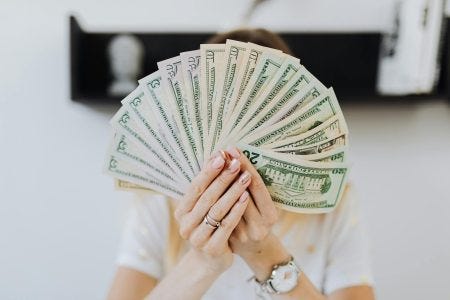
Image Credit: Karolina Grabowska; Pexels

The 17 Best Financial Products to Retire Early and Build Extreme Wealth was originally published on Due on March 18, 2024 by John Rampton.

John Rampton

Written by John Rampton

·Editor for Due.com

Entrepreneur, Writer, Online Marketing Guy, Blogger, Husband and Full Time Computer Nerd. Founder @Calendar and @Due

Life is a river, find your flow within — Bruce Lee, Heraclitus

A formless mindset changes everything

Thomas Oppong

Thomas Oppong

Published in Personal Growth

Mar 31, 2024 (Medium.com)

Photo by Redd F on Unsplash

Don’t resist the flow. Become the flow.

I’ve been saying this to the people close to me for years.

I learnt it from Bruce Lee’s life-changing advice;

It’s like water making its way through cracks. Do not be assertive, but adjust to the object, and you shall find a way round or through it. If nothing within you stays rigid, outward things will disclose themselves.

Empty your mind, be formless. Shapeless, like water. If you put water into a cup, it becomes the cup. You put water into a bottle, and it becomes the bottle. You put it in a teapot it becomes the teapot. Now, water can flow or it can crash. Be water, my friend.

Resistance is futile.

Ever wondered why that matters?

Resistance leads to exhaustion and disharmony.

The way of water is a massive wisdom for life.

I’ve learned it the hard way.

I resisted a difficult conversation for too long. The consequences? Unnecessary mental stress I could have avoided. Holding on to regrets or refusing to let go of past relationships has a mental cost.

Trying to micromanage everything and everyone around you will only multiply your frustrations. It’s mentally draining.

When things don’t go according to your rigid plan, the sense of powerlessness can only get worse.

Empty your mind.

Learn to identify the natural flow of situations and align yourself with it. It doesn’t mean giving up control — it’s about using your energy to move with the current, not against it.

Think of a bamboo stalk.

It’s not the stiffest tree that survives a storm, but the one that can bend without snapping. Our ability to adapt and flow allows us to weather the challenges and emerge stronger.

A river teaches us the art of adjustment.

It finds a way around the rock, through cracks or by carving a new path. It’s extremely applicable in life. Flow opportunities make life easier. Detours, obstacles and setbacks are always the way forward.

You are all of life’s experiences, ever-changing, ever-evolving. You are life itself. But the only way to make it worthwhile is to engage meaningfully.

Going through the motions without truly engaging with life can leave you feeling empty and unfulfilled.

A formless mindset changes everything

First things first: let’s talk about your source.

Every river has a starting point, a wellspring that feeds the flow. What’s yours? Is it a childhood passion, a burning curiosity or a core value?

You also flow alongside others — friends, family, and even authors who influence your habits. These are your tributaries, feeding your journey love, growth and confidence. Diverse perspectives improve your flow experience.

Identifying your source gives you your river, life, direction, and purpose. Use your sources to recharge, gain perspective, and appreciate your unique flow.

Heraclitus, the ancient Greek philosopher, famously said, “No man ever steps in the same river twice, for it’s not the same river and he’s not the same man.

Even if you step into a river twice at the same spot, the water you’re touching will be different because the river has constantly flowed.

Similarly, you, the person stepping in, have changed in some way since the last time. The path ahead is a river, ever-flowing and ever-changing. We are not the same people who step into its waters twice.

Every moment we experience changes us.

We learn, grow, and our perspectives shift. Even physically, our bodies are constantly renewing cells.

You are not flowing through time the same way every day. New experiences, relationships, and knowledge alter your course.

Don’t resist them.

Leverage them to your advantage.

A river doesn’t flow in a straight line. It forges its own path, adapting to the landscape. Life is the same. Don’t get hung up on a rigid plan.

Be flexible. The detours will strengthen your flow.

Every decision, big or small, alters your course. Will you take that risky career leap? Will you mend that broken friendship? Each choice is a new source feeding into your life, shaping who you become.

A river never truly ends.

It might merge with a larger body of water, but the cycle continues. Even after your physical life ends, your experiences, the ripples you create, will continue to influence the world.

Be like water, my friend and life will flow with you. If you are not happy with your flow, adjust course.

Find your river within.

Join my email list with 60K+ curious people who receive my best essays and free curated tools for better living.

Thomas Oppong

Written by Thomas Oppong

·Writer for Personal Growth

Making the wisdom of great thinkers instantly accessible. As seen on Forbes, Inc. and Business Insider. For my popular essays, go here: https://thomasoppong.com

Free Will Astrology: Week of April 11, 2024

BY ROB BREZSNY | APRIL 9, 2024 (NewCity.com)

Photo: Nastya Dulhiier

ARIES (March 21-April 19): Now is a favorable time to make initial inquiries, ask for free samples, and enjoy window shopping. But it’s not an opportune time to seal final decisions or sign binding contracts. Have fun haggling and exploring, even as you avoid making permanent promises. Follow the inklings of your heart more than the speculations of your head, but refrain from pledging your heart until lots of evidence is available. You are in a prime position to attract and consider an array of possibilities, and for best results you should remain noncommittal for the foreseeable future.

TAURUS (April 20-May 20): Author Betty Bender said, “Anything I’ve ever done that ultimately was worthwhile initially scared me to death.” Painter Georgia O’Keeffe confessed she always harbored chronic anxiety—yet that never stopped her from doing what she loved. Philosopher Ralph Waldo Emerson said, “Anyone who is not everyday conquering some fear has not learned the secret of life.” I hope these testimonials inspire you to bolster your grit, Taurus. In the coming days, you may not have any more or less fear than usual. But you will be able to summon extra courage and willpower as you render the fear at least semi-irrelevant.

GEMINI (May 21-June 20): Richard the Lionheart (1157–1199) was a medieval king of England. How did he get his nickname? Scholars say it was because of his skill as a military leader. But legend tells an additional story. As a young man, Richard was imprisoned by an enemy who arranged for a hungry lion to be brought into his cell. As the beast opened its maw to maul the future king, Richard thrust his arm down its throat and tore out its heart, killing it. What does this tale have to do with you, Gemini? I predict you will soon encounter a test that’s less extreme than Richard’s but equally solvable by bursts of creative ingenuity. Though there will be no physical danger, you will be wise to call on similar boldness. Drawing on the element of surprise may also serve you well.

CANCER (June 21-July 22): Will the adventures heading your way be unusual, amusing and even unprecedented? I bet they will have at least some of those elements. You could encounter plot twists you’ve never witnessed or imagined. You may be inspired to dream up creative adjustments unlike any you’ve tried. These would be very positive developments. They suggest you’re becoming more comfortable with expressing your authentic self and less susceptible to the influence of people’s expectations. Every one of us is a unique genius in some ways, and you’re getting closer to inhabiting the fullness of yours.

LEO (July 23-Aug. 22): At least for now, help may not be available from the usual sources. Is the doctor sick? Does mommy need mothering? Is the therapist feeling depressed? My advice is to not worry about the deficiencies, but rather shift your attention to skillful surrogates and substitutes. They may give you what you need—and even more. I’m reminded of “The Crystal Cave,” a novel about the Arthurian legend. The king, Ambrosius Aurelianus, advises the magician Merlin, “Take power where it is offered.” In other words: not where you think or wish power would be, but from sources that are unexpected or outside your customary parameters.

VIRGO (Aug. 23-Sept. 22): The rest of the story is not yet ready to emerge, but it will be soon. Be patient just a while longer. When full disclosure arrives, you will no longer have to guess about hidden agendas and simmering subtexts. Adventures in the underworld will move above ground. Missing links will finally appear, and perplexing ambiguities will be clarified. Here’s how you can expedite these developments: Make sure you are thoroughly receptive to knowing the rest of the story. Assert your strong desire to dissolve ignorance.

LIBRA (Sept. 23-Oct. 22): In the coming weeks, you can ask for and receive more blessings than usual. So please be aggressive and imaginative about asking! Here are suggestions about what gifts to seek out: 1. vigorous support as you transform two oppositional forces into complementary influences; 2. extra money, time and spaciousness as you convert a drawback into an asset; 3. kindness and understanding as you ripen an unripe aspect of yourself; 4. inspiration and advice as you make new connections that will serve your future goals.

SCORPIO (Oct. 23-Nov. 21): Read the two help-wanted ads below. Meditate on which appeals to you more, and treat this choice as a metaphor for a personal decision you face. 1. “Pedestrian, predictable organization seeks humdrum people with low-grade ambitions for tasks that perform marginally useful services. Interested in exploring mild passions and learning more about the art of spiritual bypassing?” 2. “Our high-octane conclave values the arts of playing while you work and working while you play. Are you ready and able to provide your creative input? Are you interested in exploring the privilege and responsibility of forever reinventing yourself? We love restless seekers who are never bored.”

SAGITTARIUS (Nov. 22-Dec. 21): What is a gourmet bargain? What is a discount marvel? How about an inspiring breakthrough that incurs no debt? Themes like those are weaving their way into your destiny. So be alert for the likelihood that cheap thrills will be superior to the expensive kind. Search for elegance and beauty in earthy locations that aren’t sleek and polished. Be receptive to the possibility that splendor and awe may be available to you at a low cost. Now may be one of those rare times when imperfect things are more sublime than the so-called perfect stuff.

CAPRICORN (Dec. 22-Jan. 19): “There is always one moment in childhood when the door opens and lets the future in,” wrote novelist Graham Greene. For me, it was three days near the end of third grade when I wrote a fairy tale about the unruly adventures of a fictional kid named Polly. Her wildness was infused with kindness. Her rebellions were assertive but friendly. For the first time, as I told Polly’s story, I realized I wanted to be an unconventional writer when I grew up. What about you, Capricorn? When you were young, was there a comparable opening to your future? If so, now is a good phase to revisit it, commune with your memories of it, and invite it to inspire the next stage of its evolution in you.

AQUARIUS (Jan. 20-Feb. 18): Even when you are your regular, ordinary self, you have a knack and fondness for irregularity and originality. And these days, your affinity for what’s unprecedented and uncommon is even higher than usual. I am happy about that. I am cheering you on. So please enjoy yourself profoundly as you experiment with nonstandard approaches. Be as idiosyncratic as you dare! Even downright weird! But also try to avoid direct conflicts with the Guardians of How Things Have Always Been Done. Don’t allow Change Haters to interfere with your fun or obstruct the enhancements you want to instigate. Be a slippery innovator. Be an irrepressible instigator.

PISCES (Feb. 19-March 20): Below are truths I hope you will ripen and deepen in the coming months. 1. Negative feelings are not necessarily truer and more profound than positive ones. 2. Cynical opinions are not automatically more intelligent or well-founded than optimistic opinions. 3. Criticizing and berating yourself is not a more robust sign of self-awareness than praising and appreciating yourself. 4. Any paranoia you feel may be a stunted emotion resulting from psychic skills you have neglected to develop. 5. Agitation and anxiety can almost always be converted into creative energy.

Homework: What’s your best method for dissolving bad habits? Tell me so I can benefit from your wisdom! Newsletter.FreeWillAstrology.com

A new national park to reclaim Indigenous land

Tracie Revis | TEDWomen 2023

• October 2023

In a part of the United States with more than 17,000 years of human history, cultural preservation advocate Tracie Revis is working to turn the Ocmulgee Mounds into Georgia’s first national park and preserve. This park would be co-managed by the Muscogee (Creek) Nation, bringing the tribal voice back to an area they were forcibly removed from 200 years ago. Revis explores the complex feelings of caring for this land and shows how it’s fostering healing in return.

About the speaker

Tracie Revis

Cultural preservation advocateSee speaker profile

Tracie Revis is an attorney advocating for the creation of Georgia’s first national park, which would be co-managed by the Muscogee (Creek) tribe.

The Courage to Be Yourself: E.E. Cummings on Art, Life, and Being Unafraid to Feel

By Maria Popova (themargionalian.org)

“No one can build you the bridge on which you, and only you, must cross the river of life,” wrote the thirty-year-old Nietzsche. “The true and durable path into and through experience,” Nobel-winning poet Seamus Heaney counseled the young more than a century later in his magnificent commencement address“involves being true … to your own solitude, true to your own secret knowledge.”

Every generation believes that it must battle unprecedented pressures of conformity; that it must fight harder than any previous generation to protect that secret knowledge from which our integrity of selfhood springs. Some of this belief stems from the habitual conceit of a culture blinded by its own presentism bias, ignorant of the past’s contextual analogues. But much of it in the century and a half since Nietzsche, and especially in the years since Heaney, is an accurate reflection of the conditions we have created and continually reinforce in our present informational ecosystem — a Pavlovian system of constant feedback, in which the easiest and commonest opinions are most readily rewarded, and dissenting voices are most readily punished by the unthinking mob.

E.E. Cummings by Edward Weston (Photograph courtesy of the Center for Creative Photography)

Few people in the two centuries since Emerson issued his exhortation to “trust thyself” have countered this culturally condoned blunting of individuality more courageously and consistently than E.E. Cummings (October 14, 1894–September 3, 1962) — an artist who never cowered from being his unconventional self because, in the words of his most incisive and competent biographer, he “despised fear, and his life was lived in defiance of all who ruled by it.”

A fortnight after the poet’s fifty-ninth birthday, a small Michigan newspaper published a short, enormous piece by Cummings under the title “A Poet’s Advice to Students,” radiating expansive wisdom on art, life, and the courage of being yourself. It went on to inspire Buckminster Fuller and was later included in E.E. Cummings: A Miscellany Revised (public library) — that wonderful out-of-print collection which the poet himself described as “a cluster of epigrams, forty-nine essays on various subjects, a poem dispraising dogmata, and several selections from unfinished plays,” and which gave us Cummings on what it really means to be an artist.

Illustration from Enormous Smallness by Matthew Burgess, an illustrated tribute to E.E. Cummings

Addressing those who aspire to be poets — no doubt in that broadest Baldwinian sense of wakeful artists in any medium and courageous seers of human truth — Cummings echoes the poet Laura Riding’s exquisite letters to an eight-year-old girl about being oneself and writes:

A poet is somebody who feels, and who expresses his feelings through words.

This may sound easy. It isn’t.

A lot of people think or believe or know they feel — but that’s thinking or believing or knowing; not feeling. And poetry is feeling — not knowing or believing or thinking.

Almost anybody can learn to think or believe or know, but not a single human being can be taught to feel. Why? Because whenever you think or you believe or you know, you’re a lot of other people: but the moment you feel, you’re nobody-but-yourself.

To be nobody-but-yourself — in a world which is doing its best, night and day, to make you everybody else — means to fight the hardest battle which any human being can fight; and never stop fighting.

Page from Enormous Smallness by Matthew Burgess

Cummings should know — just four years earlier, he had fought that hardest battle himself: When he was awarded the prestigious Academy of American Poets annual fellowship — the MacArthur of poetry — Cummings had to withstand harsh criticism from traditionalists who besieged him with hate for the bravery of breaking with tradition and being nobody-but-himself in his art. With an eye to that unassailable creative integrity buoyed by relentless work ethic, he adds:

As for expressing nobody-but-yourself in words, that means working just a little harder than anybody who isn’t a poet can possibly imagine. Why? Because nothing is quite as easy as using words like somebody else. We all of us do exactly this nearly all of the time — and whenever we do it, we’re not poets.

If, at the end of your first ten or fifteen years of fighting and working and feeling, you find you’ve written one line of one poem, you’ll be very lucky indeed.

And so my advice to all young people who wish to become poets is: do something easy, like learning how to blow up the world — unless you’re not only willing, but glad, to feel and work and fight till you die.

Does that sound dismal? It isn’t.

It’s the most wonderful life on earth.

Or so I feel.

Complement the thoroughly invigorating E.E. Cummings: A Miscellany Revised with a lovely illustrated celebration of Cummings’s creative bravery, then revisit Pulitzer-winning poet Robert Penn Warren on what it really means to find yourself and Janis Joplin on the courage of being what you find.

Chaos & Complexity

A BRIEF HISTORY OF THE FUTURE

Episode 2 | 53m 3s | Video has closed captioning.

Watch Preview

Ari explores the historically transformational moment we are currently living in, why it causes so many of us to feel overwhelmed and afraid, and how it actually offers unprecedented possibilities for new and exciting futures we can create together.

Watch Episode 2:

Episode 1: Beyond the Now

Episode 3: Once Upon a Time: https://player.pbs.org/viralplayer/3087670164/

Episode 4: Human: https://player.pbs.org/viralplayer/3087670305/

(Contributed by Michael Kelly, H.W.)

Tarot Card for April 11: The Hierophant (or Pope, High Priest)

The Hierophant

The Hierophant (or Pope, High Priest) is numbered five and is concerned with matters of faith, religion, belief and morality. This is the wise teacher, full of esoteric and occult knowledge. He can help us to understand the mysteries around and within us.The Hierophant is a holy man, but is in essence both male and female. He has a healthy connection with life and living – someone who has experienced life in full and now has the experience and wisdom needed in order to teach others.He is usually seen holding his index and middle finger extended, as though pointing at something. This symbolism is important, because the human Will is considered to be directed by these two fingers. The Hierophant is an archetype which represents the culmination of human development.His abilities reside like seeds within every one of us. We all have the ability to travel where he has already explored. He holds the keys to transformation.