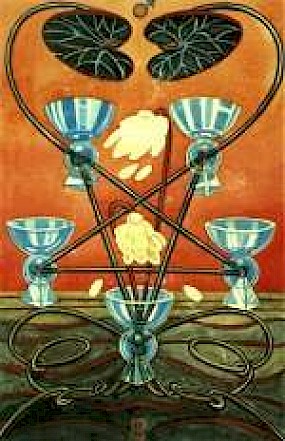
None of us feel too good when the Five of Cups, Lord of Disappointment, turns up in our readings. It almost always means that somebody somewhere is going to make us feel let down or sad about something. And often when that happens we can end up giving ourselves a hard time, and hurting ourselves unnecessarily.
But there’s one important thing to consider when we get disappointed – we feel that way because an expectation we had is not fulfilled, whether by ourselves or by somebody else. So if you get this card coming up often, it’s worth taking a good look at your expectations. Are they unrealistic? Are they geared to the abilities and characteristics of the person you hold them of? Or do you expect too much – this is an attitude we tend to apply most viciously to ourselves. Are you expecting more than you have a right to? Are you expecting things that the person in question -yourself or somebody else – is simply not able to provide? If the answer to any of the above is yes, then if you change your expectation, you’ll stop being disappointed.
When this card comes up, it warns us that either we have failed to resolved an old difficulty, or that – realistic or not – our expectations are about to be disappointed. Often this will happen in an emotional situation (because this is a Cup card) but can happen elsewhere in our lives too, because disappointment itself is an emotion and therefore belongs to Cups. Aside from locating where the problem lies, there’s rarely much that can be done except preparing ourselves to accept the inevitable consequence of being alive – into each life a little rain must fall etc.etc.
One thing that is always worth bearing in mind with a card like this is that the feelings which arise when it occurs often scare us into failing to take another risk, failing to make another effort, hiding away where we can’t be disappointed again. But then if we give in to those sort of feelings we’re expecting to be disappointed again, aren’t we? So maybe we need to think about the Nine of Wands when we see the Five of Cups, reminding ourselves of that inner reserve of strength and capability we can all release inside us!
New Thinking Allo Jun 8, 2023 James Tunney, LLM, is an Irish barrister who has lectured on legal matters throughout the world. He is a poet, artist, scholar, and author of The Mystery of the Trapped Light: Mystical Thoughts in the Dark Age of Scientism plus The Mystical Accord: Sutras to Suit Our Times, Lines for Spiritual Evolution; also Empire of Scientism: The Dispiriting Conspiracy and Inevitable Tyranny of Scientocracy, TechBondAge: Slavery of the Human Spirit, and Human Entrance to Transhumanism: Machine Merger and the End of Humanity. His most recent book is Plantation of the Automatons. His website is https://www.jamestunney.com/ Here he focuses on the life and work of one of the most widely read and influential writers of the late nineteenth and early twentieth centuries. He explains how Well’s can be seen as a successful revolutionary for scientism. 00:00:00 Introduction 00:21:17 Scientific rulers 00:43:00 Paranormal 00:53:02 Crystalization 01:04:50 Mysticism 01:14:42 Conclusion Edited subtitles for this video are available in Russian, Portuguese, Italian, German, French, and Spanish. New Thinking Allowed host, Jeffrey Mishlove, PhD, is author of The Roots of Consciousness, Psi Development Systems, and The PK Man. Between 1986 and 2002 he hosted and co-produced the original Thinking Allowed public television series. He is the recipient of the only doctoral diploma in “parapsychology” ever awarded by an accredited university (University of California, Berkeley, 1980). He is also the Grand Prize winner of the 2021 Bigelow Institute essay competition regarding the best evidence for survival of human consciousness after permanent bodily death. (Recorded on May 23, 2023)
When Dr Philip Raven, an intellectual working for the League of Nations, dies in 1930 he leaves behind a powerful legacy – an unpublished ‘dream book’. Inspired by visions he has experienced for many years, it appears to be a book written far into the future: a history of humanity from the date of his death up to 2105. The Shape of Things to Come provides this ‘history of the future’, an account that was in some ways remarkably prescient – predicting climatic disaster and sweeping cultural changes, including a Second World War, the rise of chemical warfare, and political instabilities in the Middle East.
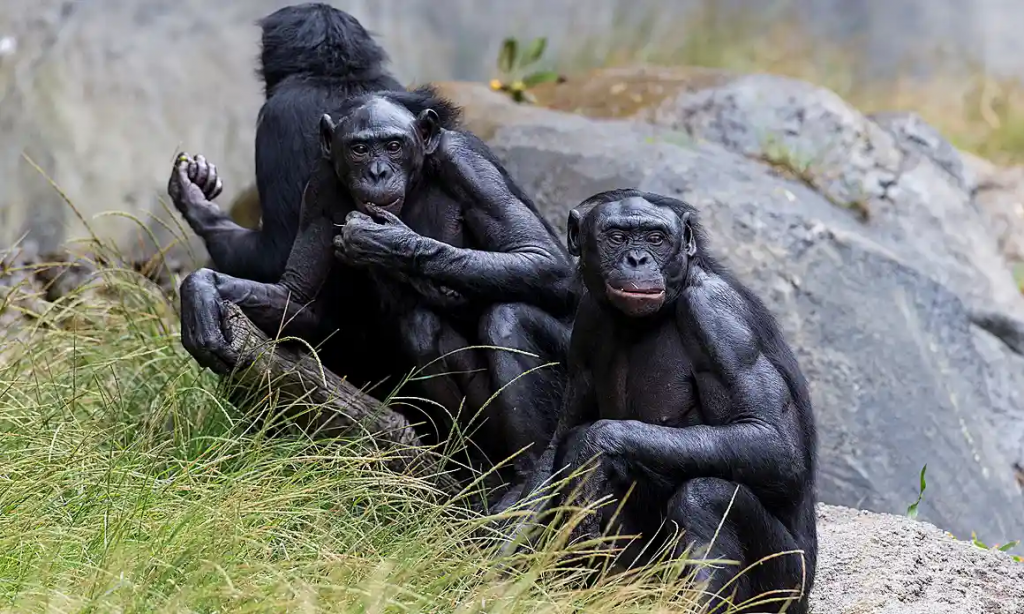
Bonobos at San Diego zoo in California. The UCL scientists said masturbation was common across primates of all sexes and ages. Photograph: San Diego Zoo Wildlife Alliance/Reuters
June 7, 2023
Evolutionary biologists have traced the origins of masturbation to ancient primates that predate the first humans by tens of millions of years. The findings emerged from what scientists believe is the largest dataset ever compiled on the activity, and confirm that humans arose on a branch of the tree of life replete with self-pleasuring predecessors. The scientists’ analyses found support for the idea that male masturbation boosted the chances of impregnating a mate but more data was needed to nail down the evolutionary drivers for masturbation in females.
“What we can say is this behaviour was present around 40m years ago, in the common ancestor of all monkeys and apes,” said Dr Matilda Brindle, the lead researcher on the study at University College London. “It’s not that some species woke up one day and started doing it. This is an ancient, evolved trait.”
June 6, 2023Updated: June 6, 2023 (SFChronicle.com)
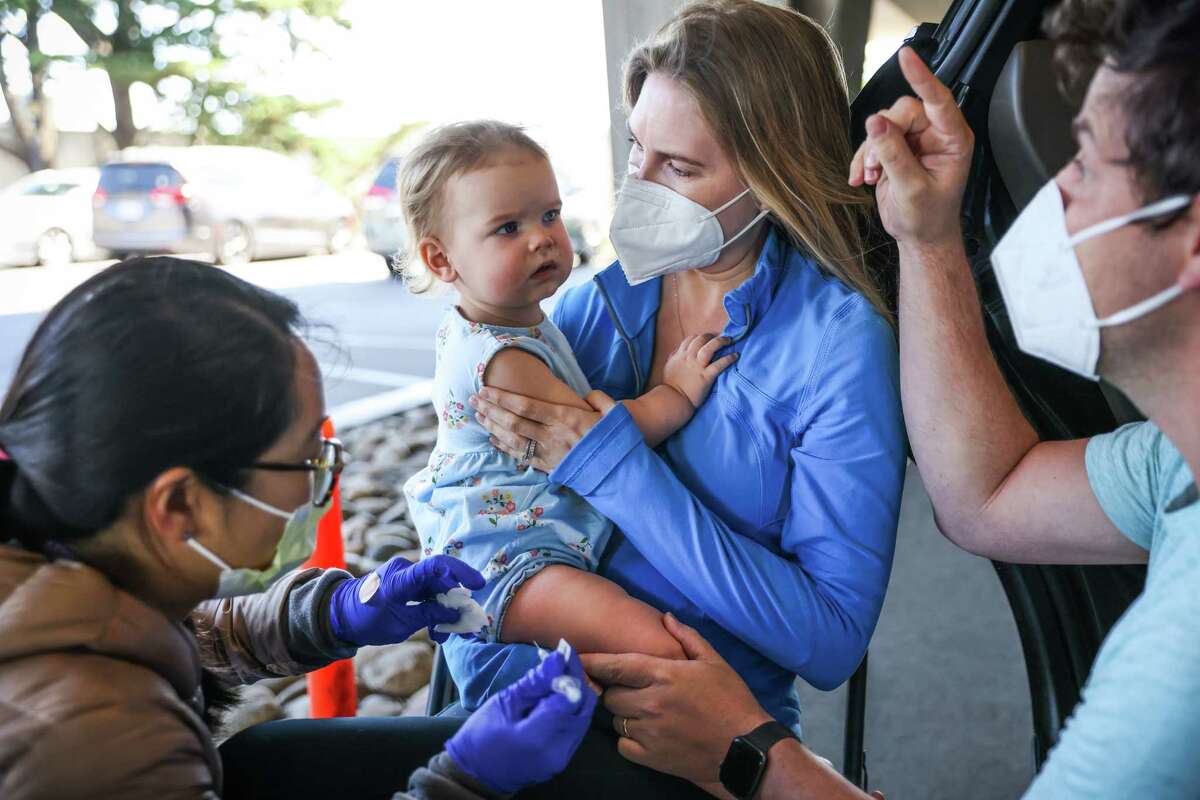
Elizabeth Goffinet embraces daughter Wesley as the 16-month-old gets her first vaccine in June 2022. Kaiser Permanente researchers have found no link between mRNA COVID vaccines and 23 potential side effects for infants and toddlers. Gabrielle Lurie/The Chronicle
A first-of-its-kind study found no serious side effects from COVID vaccines in young children, according to research from Kaiser Permanente released Tuesday.
The study, published in the journal Pediatrics, reviewed records of more than 245,000 doses of Pfizer and Moderna COVID vaccines given mostly to children age 4 or younger between June 2022 and March 2023.
Scientists from the Kaiser Permanente Division of Research partnered with the U.S. Centers for Disease Control and Prevention to look for 23 potential side effects from the vaccines, including blood clots, seizures, stroke and brain inflammation.
They turned up no evidence of safety risks from any of the side effects in the study.
“These results can give reassurance to parents that these vaccines continue to be heavily scrutinized and are safe for their children,” Kristin Goddard, a research project manager at Kaiser’s Vaccine Study Center and the lead author of the study, told The Chronicle in an email.
Two findings in the study were particularly notable.
First, the researchers found no sign of seizures after vaccination, which on very rare occasions can occur after routine immunizations in children under 2 years old, according to a press release from Kaiser.
The study also showed no indication of myocarditis, a rare but serious inflammation of the heart that had appeared infrequently as a side effect of COVID vaccination, mostly in boys and young men.
“While we have rarely seen myocarditis following mRNA COVID-19 vaccination in adolescents, parents and clinicians have had concerns that myocarditis could be seen after vaccination in the youngest children,” Goddard said. “In this study, there was no evidence of myocarditis occurring among younger ages.”
The study was the first to look for serious side effects from mRNA vaccines in young children, Kaiser said in a press release Tuesday.
Researchers examined records from 135,005 doses of the Pfizer vaccine given to children between 6 months and 4 years old, and 112,006 doses of the Moderna vaccine given to children between 6 months and 5 years old.
The data came via the CDC’s Vaccine Safety Datalink from health care systems in California, Oregon, Washington, Colorado, Minnesota and Wisconsin.
The federal Food and Drug Administration authorized the Pfizer and Moderna vaccines for use in children as young as 6 months last June, but vaccination rates among that age group remain very low.
Less than 5% of children 6 months to 4 years old are fully vaccinated, according to the latest CDC data, which runs through April 29.
Among kids 5 to 11, that number jumps to 29%.
“Vaccinating children against COVID-19 can benefit them directly by reducing the length and severity of disease, and mitigating the small but real risk of serious illness,” Goddard said.
“Additionally, vaccinating children provides important protection to the people around them by decreasing the spread of the virus — which can provide caregivers greater confidence in children participating in child care, school and other activities safely.”
Reach Gabe Castro-Root: Gabe.Castro-Root@sfchronicle.com
Gabe Castro-Root joined The Chronicle as a summer reporting intern in 2023. A junior at American University in Washington, D.C., he is the local news editor for his college paper, The Eagle, and interned last summer at The Charlotte Observer in North Carolina. Castro-Root grew up in San Francisco and during high school wrote for The Noe Valley Voice, his neighborhood paper.
Previous reported interactions between orcas and sailboats followed a clear pattern, with the animals losing interest and swimming away once they had broken the rudder.
Instead of swimming away after they broke the rudder, the orcas followed the yacht as a rescue boat towed it to port. (Image credit: Francois Gohier/VW Pics/Universal Images Group via Getty Images)
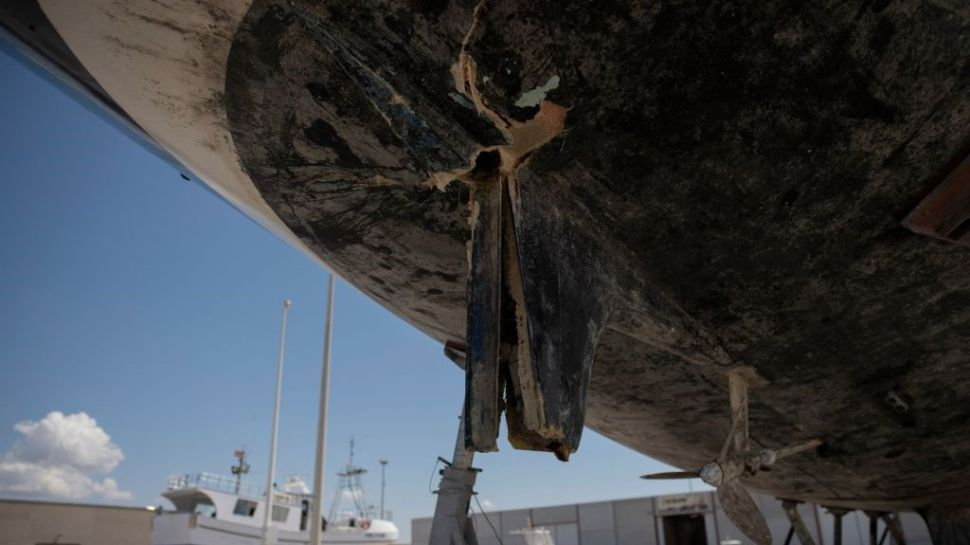
A group of orcas recently nearly sank another sailboat in the Strait of Gibraltar and followed the vessel all the way to port — marking the first-known case of the killer whales stalking a boat after destroying its rudder.
Orcas started behaving unusually and attacking boats in 2020. Since July 2020, there have been 744 reported encounters, 505 of which involved contact between the animals and the ship, according to the Atlantic Orca Working Group (GTOA). One in five interactions have prevented boats from sailing on and three have ended in vessels sinking.
Most of these interactions ended in the orcas losing interest in the boat once they’d broken its rudder. But during the recent attack on the night of May 24, the orca pod continued to stalk the yacht “Mustique” even after damaging the vessel. It is unclear whether this marks a shift in the orcas’ learned pattern of aggressive behaviors towards sailboats.
“They didn’t leave after the rudder was removed,” April Boyes, an experienced sailor who was aboard the Mustique, told Live Science in a message on social media.
The crew first spotted the orcas around 9:30 p.m. local time as they were sailing through the Strait of Gibraltar. “It didn’t take long for them to start hitting our rudder and the force of this would spin the helm violently and you could feel the vibration through the deck,” Boyes wrote in a blog post.
After breaking the rudder, the orcas seemed to lose interest and swam away. But 20 minutes later, the pod returned and began circling the boat. “After an hour of the orcas continuing to hit the rudder it was evidently now completely destroyed and water started to flow into the boat,” Boyes wrote.
The crew alerted the Spanish coastguard, which towed the boat to the port of Barbate. But even then the orcas lingered. “The orcas continued to follow the boat until we got inshore,” Boyes wrote.
The orcas broke the rudder and tore the hull open, which nearly sank the boat off the coast of Spain. (Image credit: JORGE GUERRERO/AFP via Getty Images)
Experts with the GTOA, who have been keeping track of the unusual encounters between orcas and boats off the Iberian coast, declined to comment on whether the new behavior of pursuing the battered boat signified a shift in the orcas’ strategy.
“Navigators are not sending us reports of the interactions so we cannot answer blindly and without information about these cases,” Alfredo López Fernandez, a biologist at the University of Aveiro in Portugal and representative of the GTOA, told Live Science in an email.
Spanish officials and researchers from the group Conservation, Information and Research on Cetaceans (CIRCE) plan to use satellite trackers to monitor six orcas that have been involved in attacks. One orca has already been tagged, government representatives said in a statement.
“Thanks to the GPS of the killer whales and prediction models, we have some variables that allow us to predict where these animals are going to be,” Renaud de Stephanis, the president of CIRCE, told the Spanish broadcaster RTVE. “100% of the attacks that have occurred since March until now could have been prevented simply by people being informed.”
But some experts think the measure could backfire. “Many of us have reservations because we think that satellite tagging is not going to be of any use in relation to interactions, if not to aggravate the situation, because it is done by shooting and the killer whales will surely not find it very funny,” López Fernandez told RTVE.
De Stephanis also recently suggested that sailors could deter orcas by gluing anti-pigeon spikes onto the rudder. “We believe that one solution to reduce the impact, which is cost-effective and highly effective, would be to install anti-pigeon spikes cut to 3 cm [1.2 inches] on the back of the rudder,” he wrote in a Facebook post on June 2. “The system should be easy to install (using Velcro or underwater glue) and easy to remove.”
For now, sailors should “be prepared if they sail in those areas, avoid sailing at night and approaching the coast, as far as possible,” López Fernandez told Live Science.
Stay up to date on the latest science news by signing up for our Essentials newsletter.Contact me with news and offers from other Future brandsReceive email from us on behalf of our trusted partners or sponsorsBy submitting your information you agree to the Terms & Conditions and Privacy Policy and are aged 16 or over.
Sascha is a U.K.-based trainee staff writer at Live Science. She holds a bachelor’s degree in biology from the University of Southampton in England and a master’s degree in science communication from Imperial College London. Her work has appeared in The Guardian and the health website Zoe. Besides writing, she enjoys playing tennis, bread-making and browsing second-hand shops for hidden gems.
A new cancer vaccine developed by Elicio Therapeutics has shown promising results in preventing relapse for patients with colon and pancreatic cancers caused by the KRAS mutation. The vaccine uses peptides to bind to the protein albumin, which then creates white blood cells to fight cancer markers in the patient’s blood. In a first-in-human trial, the vaccine showed the potential to lower the risk of relapse in 100% of patients who had surgery to remove their tumors but still had cancer markers in their blood. Although much larger studies are needed to confirm its efficacy, the vaccine could improve survival rates for colon cancer and pancreatic cancer, which has just a 12.5% survival rate after five years. Unlike other experimental cancer vaccines, the shot does not have to be customized to each patient, making it more readily available and less expensive.
The vaccine specifically targets the KRAS mutation in patients with several types of cancer, including pancreatic and colon cancer. The shot is injected in both arms and both legs, for four total shots every week for four weeks. Patients continued with this process every other week for two weeks. However, the shot is meant for patients whose cancer has not spread, excluding those in stage III or IV of the disease. The next phase of the trial will target five additional types of cancers that can have KRAS mutations, including gallbladder, ovarian, and lung cancers. The authors emphasized that this research is still early, and it could take years before this treatment becomes standard practice.
While the exact cost is unclear, this vaccine could be significantly cheaper than other personalized shots since it is an “off-the-shelf” vaccine. The findings of the trial still need to be validated, but the researchers are already recruiting several hundred patients for the next phase. If successful, the vaccine could reduce the risk of recurrence after resection and improve survival rates for patients.
Modern life runs on wireless technology. What if the energy powering our devices could also be transmitted without wires? Electrical engineer Ali Hajimiri explains the principles behind wireless energy transfer and shares his far-out vision for launching flexible solar panels into space in order to collect sunlight, convert it to electrical power and then beam it down to Earth. Learn how this technology could power everything — and light up our world from space.
An expert on electronic and photonic integrated circuits, Ali Hajimiri is investigating how to collect solar power in space — and transmit the energy wirelessly to Earth.
It takes a great sobriety of spirit to know your own depths — and your limits. It takes a special grandeur of spirit to know the limits of your self-knowledge.
A recent brush with those limits reminded me of a short, stunning essay by Jorge Luis Borges (August 24, 1899–June 14, 1986) titled “The Mirror of Enigmas,” found in his Labyrinths (public library) — the 1962 collection of stories, essays, and parables that gave us his timeless parable of the divided self and his classic refutation of time.
Titling the essay after St. Paul’s famous cryptic statement Videmus nunc per speculum in aenigmate — loosely translated as We now see through a mirror, enigmatically — Borges considers the tribe of thinkers who have perched their efforts to reconcile knowledge and mystery, the scientific and the spiritual, on the assumption that “the history of the universe — and in it our lives and the most tenuous detail of our lives — has an incalculable, symbolical value.” With his characteristic poetic precision, he condenses this common and somewhat tired hypothesis:
The outer world — forms, temperatures, the moon — is a language humans have forgotten or which we can scarcely distinguish.
No one, Borges argues, has taken this precarious hypothesis to more surefooted ground than the French novelist, poet, and philosophical pamphleteer Léon Bloy (July 11, 1846–November 3, 1917).
Digging through the surviving fragments of Bloy’s written thought, he surfaces a passage emblematic of Bloy’s uncommon physics of the metaphysical — an 1894 passage fomented by his interest in the teachings of St. Paul. Translated by Borges himself, Bloy writes:
[St. Paul’s statement] would be a skylight through which one might submerge himself in the true Abyss, which is the soul of man. The terrifying immensity of the firmament’s abyss is an illusion, an external reflection of our own abysses, perceived “in a mirror.” We should invert our eyes and practice a sublime astronomy in the infinitude of our heart… If we see the Milky Way, it is because it actually exists in our souls.
A century before Milan Kundera considered the eternal challenge of knowing what we really want in his classic novel The Unbearable Lightness of Being, Bloy shines a sidewise gleam on the elemental self-opacity with and within which we live:
Everything is a symbol, even the most piercing pain. We are dreamers who shout in our sleep. We do not know whether the things afflicting us are the secret beginning of our ulterior happiness or not.
These ideas haunted Bloy, animated his pamphlets, his poems, his novels, then culminated in his 1912 book-length essay The Soul of Napoleon — a philosophical prose poem that sets out, as Borges puts it, “to decipher the symbol Napoleon, considered as the precursor of another hero — man and symbol as well — who is hidden in the future.” Bloy, translated again by Borges, writes in this uncommon work:
Every man* is on earth to symbolize something he is ignorant of and to realize a particle or a mountain of the invisible materials that will serve to build the City of God.
[…]
There is no human being on earth capable of declaring with certitude who he is. No one knows what he has come into this world to do, what his acts correspond to, his sentiments, his ideas, or what his real name is, his enduring Name in the register of Light… History is an immense liturgical text where the iotas and the dots are worth no less than the entire verses or chapters, but the importance of one and the other is indeterminable and profoundly hidden.
But as you contemplate these existential immensities, you face the limits of contemplation — the limits of meaning-making in relation to elemental truth.
Borges recognized this, closing the essay with by acknowledging “it is doubtful that the world has a meaning… even more doubtful that it has a double or triple meaning.”
I recognized this upon sitting down in for morning meditation in my garden after a nightlong storm and watching an almost otherworldly deposit roll onto the cushion: a tiny, perfect robin egg, improbable and sorrowful in its displaced blue beauty.
Singing Only Is by Maria Popova. (Available as a print.)
I considered climbing the neighbor’s colossal tree to find the storm-shaken nest and reinstate the egg. (Perfectly, the tree is an Ailanthus altissima, known as “tree-of-heaven” in its native China — a migrant now rooted in Brooklyn, like me.)
But then I considered this chance-event as the product of the same impartial forces that deposited the exact spermatozoid of my father’s onto my mother’s ovum at the exact moment to produce the chance-event of my particular configuration of atoms animated by this particular consciousness that just is, the consciousness mourning the robin that will never be. To call one expression of chance good and another bad is mere human hubris — the hubris of narrative and interpretation superimposed on an impartial universe devoid of why, awash in is.
No one knows the meaning of why anything comes to be, or doesn’t. Here is this pale blue orb, dropped from the tree-of-heaven onto a tiny Brooklyn point on the face of this Pale Blue Dot, itself a “mote of dust suspended in a sunbeam” within an immense and impartial universe, conceived in the creation myths and early scientific theories of our meaning-hungry ancestors as a great cosmic egg.
Here I am, and here you are, and here is the robin’s egg in its near-life collision with chance. To ask for its meaning is as meaningless a question as to demand the meaning of a color or the meaning of a bird. On this particular day, at this particular moment — the only locus of aliveness we ever have — the contour of meaning comes in shades of blue, singing only is.
Consciousness, spirituality, biography, sexuality, androgyny, futurism, space, the arts, science, astrology, democracy, humor, books, movies and more




 ©2023 Hearst Communications, Inc.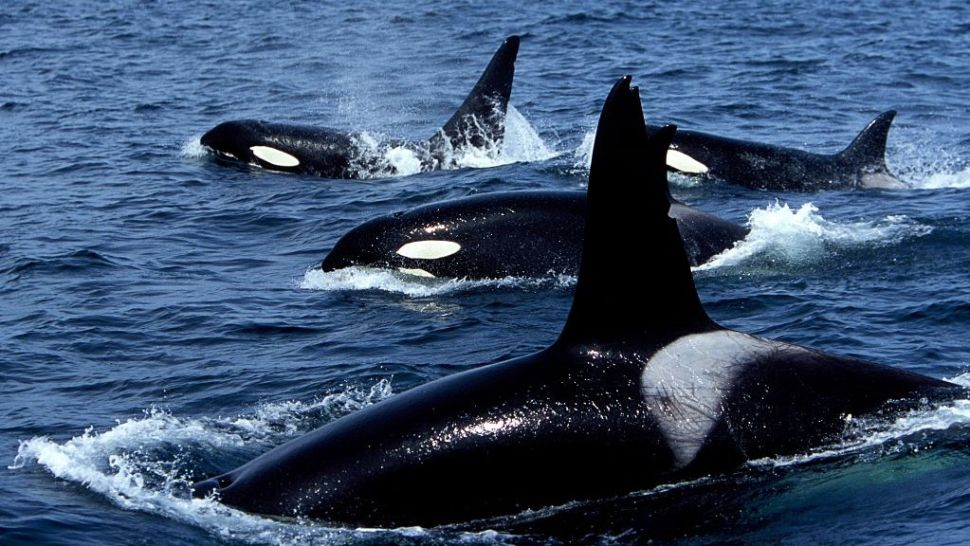

 The outer world — forms, temperatures, the moon — is a language humans have forgotten or which we can scarcely distinguish.

