
- Google AI Overview
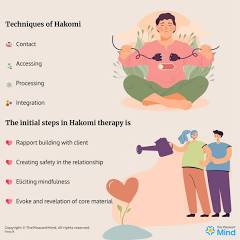
Hakomi is a gentle, mindfulness-centered, and somatic (body-based) psychotherapy method developed by Ron Kurtz in the late 1970s. It integrates Western psychology with Eastern mindfulness philosophies (like Buddhism and Taoism) to help individuals discover and transform unconscious, limiting beliefs. Verywell Mind +1
How it Works
Rather than just talking about a problem, Hakomi is an experiential therapy. The therapist guides you into a state of mindful, inward focus to observe your present-moment experience, including your body sensations, posture, breathing, and facial expressions. Through small, gentle experiments, the therapist helps you uncover hidden emotional “blueprints” or beliefs that shape how you react to the world. Hakomi Institute +2
Core Principles
The entire Hakomi method is built on five foundational principles
hakomi.com +1
- Mindfulness: The practice of studying your present, moment-to-moment experience without judgment or effort. Hakomi Institute +1
- Mind-Body Holism: The understanding that the mind, body, and soul are interconnected and influence how you perceive yourself and the world. Verywell Mind +1
- Organicity: The belief that humans are organic beings inherently driven toward health, healing, and self-correction. Hakomi Institute +1
- Nonviolence: A cooperative approach where the therapist does not try to forcefully remove psychological defenses, but rather befriends and respects them as protective barriers. Hakomi Institute +1
- Unity: The recognition that all parts of the person make up a whole, and that we are all deeply interconnected. Hakomi Institute +1
Common Applications
Hakomi is widely used to treat trauma, attachment wounds, relationship issues, and everyday stress. Because of its gentle nature, it is highly effective for clients who feel overwhelmed by traditional talk therapy or those who want to build a better, more compassionate relationship with their own nervous system. Reddit·r/CPTSD_NSCommunity +4
To learn more about the method, find a practitioner, or explore training workshops near you, visit the Hakomi Institute or Embodywise.
(Inspired by John Atwater, H.W.)