
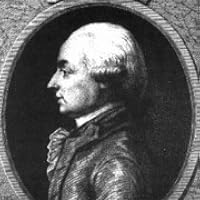
“What then is the American, this new man? He is neither an European, nor the descendant of an European…He is an American. Here individuals of all nations are melted into a new race of men, whose labours and posterity will one day cause great changes in the world…. The American ought therefore to love his country much better than that wherein either he or his forefathers were born.”
― J. Hector St. John de Crèvecoeur
Key Characteristics of this “New Man” from Google AI:
Crèvecœur outlined several fundamental traits that defined this emerging American identity: [1, 2, 3]
- The Melting Pot: Crèvecœur observed that Americans were a “strange mixture of blood”, combining English, Scottish, Irish, French, Dutch, and German heritages—a blend found nowhere else in the world.
- Upward Mobility and Self-Reliance: Unlike the rigid social classes of Europe, where a few possessed everything and the majority had nothing, the American was free from oppressive lords and despotic princes. They were independent, hard-working, and rewarded directly for their own labor.
- Driven by Self-Interest: The new American was motivated by a desire to improve their life and provide for their family, thriving in a land that offered them land, bread, and protection.
- Adaptability: This new man easily embraced new modes of life and obeyed a new government, willingly shedding old world traditions in favor of embracing new ones. [1, 2, 3, 4]
You can read the original text in Letter III of Letters from an American Farmer to explore this historical vision of the American character in depth. [1]
Michel Guillaume Jean de Crèvecœur, naturalized in New York as John Hector St. John, was a French-American writer, diplomat, and farmer. Wikipedia
Born January 31, 1735, Caen, France
Died November 12, 1813 (age 78 years), Sarcelles, France