
Google AI Overview
While a specific definition of romance from Thane Walker’s “Fourth Way” audiotape series cannot be found through public search results, information about his work with the Fourth Way provides clues to his probable perspective.
The Fourth Way, a system of spiritual self-development, suggests that true romance is not based on conventional, often ego-driven, ideas of love but on a profound, conscious connection that arises from deep inner work.
Here is an analysis based on what is known about Thane Walker and the Fourth Way:
About Thane Walker and the Fourth Way
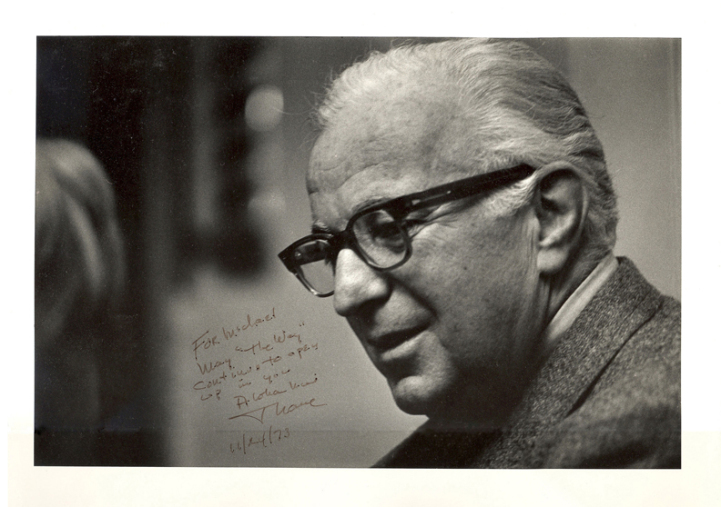
- The Prosperos: As a co-founder of the Prosperos in 1956, Thane Walker helped create a spiritual education program that blended mysticism and psychology with G. I. Gurdjieff’s Fourth Way teachings.
- Consciousness and “the Work”: Gurdjieff’s Fourth Way is often referred to as “the Work,” and its main goal is to awaken one’s consciousness and develop the “True Essential Self”. This focus on inner transformation is central to understanding the Fourth Way’s view of human relationships.
- Contrast with ordinary life: The Fourth Way emphasizes transcending the unconscious, mechanical behaviors of ordinary life. This is the starting point for understanding how true romance would differ from what people typically experience.
A Fourth Way interpretation of romance
Based on these core principles, a Fourth Way-informed definition of romance likely involves:
- Conscious connection: Moving beyond a physical or emotional attraction, a Fourth Way romance would involve a conscious, aware connection between two individuals who are both working on their own inner development.
- Absence of mechanical patterns: Instead of falling into conventional, ego-driven relationship patterns, a Fourth Way couple would consciously choose their actions and reactions, free from habitual or societal programming.
- Intentionally suffering: Gurdjieff’s concept of “intentional suffering”—consciously working on overcoming one’s own mechanical flaws and weaknesses—would be part of the romantic dynamic. This is not about passive suffering but about active, deliberate effort toward self-perfection.
- Honest self-observation: As the Fourth Way is built on the principle of self-observation and non-attachment, a romantic partnership would be a place for honest self-assessment, rather than a space to project idealized images onto a partner.
- Higher state of Being: Rather than a means of personal gratification, the romantic relationship becomes a vehicle for both individuals to assist each other in reaching a higher state of consciousness.
In short, Thane Walker’s Fourth Way perspective would likely define true romance as a conscious, transformational journey undertaken by two self-observant individuals, rather than a mechanical or emotional attachment.
AI responses may include mistakes. Learn more