“We refuse to admit ever having met this least among the lowly in ourselves.”
~ Jung
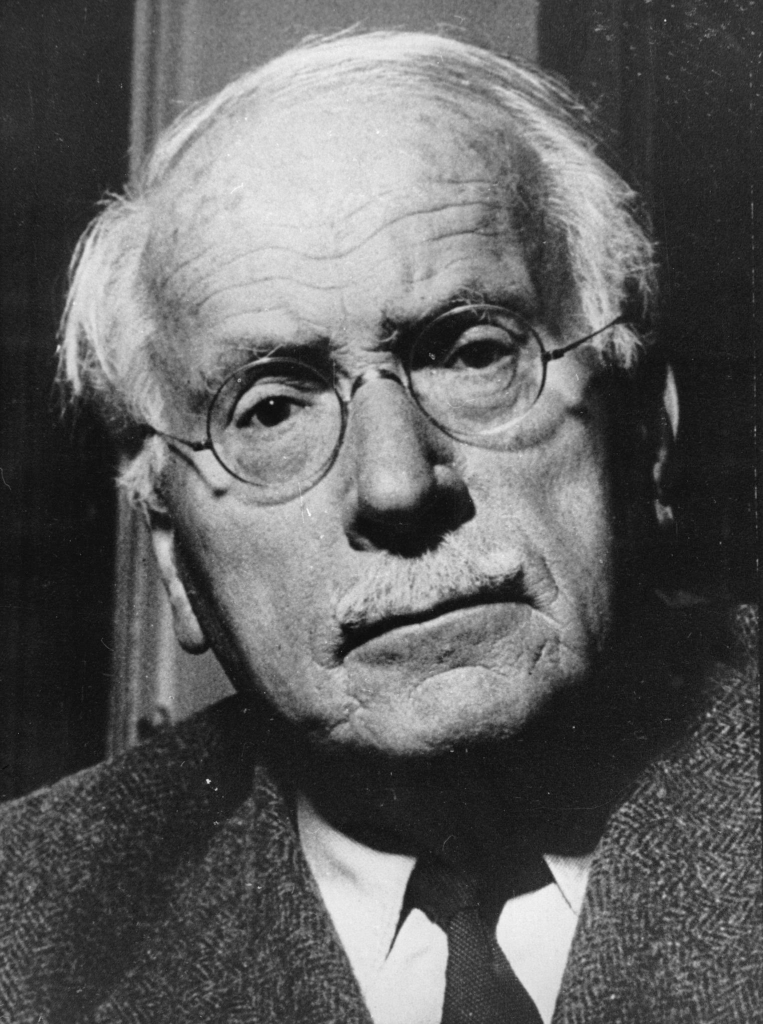
Carl Gustav Jung (July 26, 1875 – June 6, 1961 ) was a Swiss psychiatrist, psychologist, and psychotherapist who founded Analytical Psychology. He was a prolific author and illustrator who developed a unique approach to understanding the human psyche. Jung’s personality theory focuses on the interplay between the conscious and unconscious mind, and the integration of personality aspects to achieve self-realization. He believed the psyche seeks wholeness through self-discovery and balance. (Wikipedia.org)
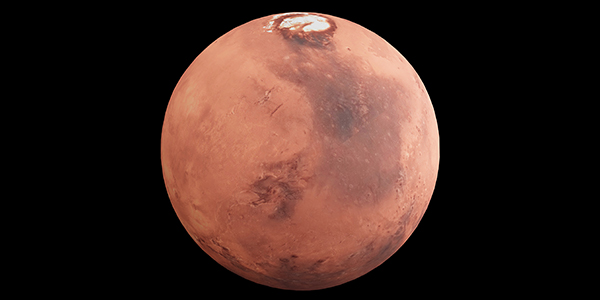
The quest to send humans to Mars is on: US President Donald Trump talked about it in his inauguration speech this year. Such an epic endeavor could help to answer fundamental questions about the Red Planet, including the biggest question of all: Did Mars once host life — and does it still?
Central to those questions is the status of liquid water — the stuff of life — on the planet. It is now indisputable that there was once water flowing on Mars, but how much, and even why, is a matter of debate. More contentious still is whether liquid water may lurk somewhere on Mars even today.
CREDIT: JAMES PROVOST (CC BY-ND)
Planetary scientist Bruce Jakosky
University of Colorado, Boulder
Bruce Jakosky, a planetary scientist at the University of Colorado, Boulder, has studied Mars from its deep interior to its surface for nearly 50 years: He helped with the 1976 Viking mission as an undergraduate student and has been involved with a number of other NASA Mars projects since. Knowable Magazine spoke with him about the hunt for water on Mars, a topic he has written about for the Annual Review of Earth and Planetary Sciences.
This interview has been edited for length and clarity.
How has the thinking about water on Mars changed over time?
Around the turn of the last century, astronomer Percival Lowell did an analysis that suggested there were canals on Mars that must have been created by intelligent beings. He made the front page of the New York Times talking not about whether there were canals and whether there were intelligent beings, but what they might be like, and how might we communicate with them. It was a very different time.
His ideas were never accepted by the astronomy community; it was always thought to be a trick of the eye that connected things and made it look like there were straight lines on Mars. When we finally sent spacecraft there, we didn’t see any features that aligned with his map of canals.
Starting in the 1940s, astronomers were able to make measurements that began to tell us about the actual nature of the Mars environment. When the first spacecraft flew by Mars in 1965, we determined that the atmospheric pressure was only around half a dozen millibars, and the average temperature was 50 degrees Celsius below freezing. That demonstrated that liquid water could not be stable; if I put a bucket of water out there, it would take a while, but it would freeze or evaporate.
Those were the last nails in the coffin for the idea that it could still be a warm, wet planet. But that didn’t kill the prospect of Martian life.
Mars missions have not found alien-built canals. But they have found plenty of other features that look like they were carved by liquid water. Just recently there were headlines saying that images taken by the Curiosity rover in 2022 show ripples from ancient, ice-free lakes; more recently there was news about signs of coastal sediments from an ancient ocean.
The evidence for liquid water around 4.3 billion to 3.5 billion years ago is now absolutely compelling. We’ve seen abundant evidence for ancient lakes within impact craters — I think they number in the hundreds now. The most compelling evidence is in Jezero crater: Where water entered the lake, it deposited a delta, a fan of sediment that had been carried by the water.
We also see evidence for mountaintop glaciers and valley networks that look like river tributary systems. And we see evidence for water having blurped up from within the crust in catastrophic flood channels. They released a lot of water. There are also minerals on Mars that would have needed water to form.
What was it like on Mars back then, 3 billion or 4 billion years ago?
Temperatures must have been warm enough to allow liquid water. But we don’t know exactly how warm. And we don’t know why it was warmer. But other than that, we really have a handle on it (laughs).
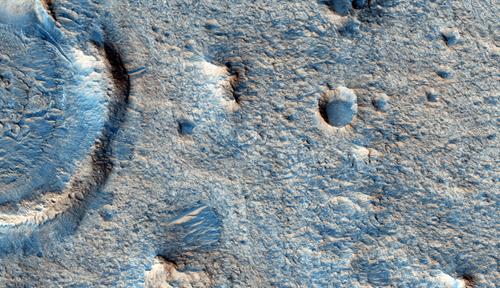
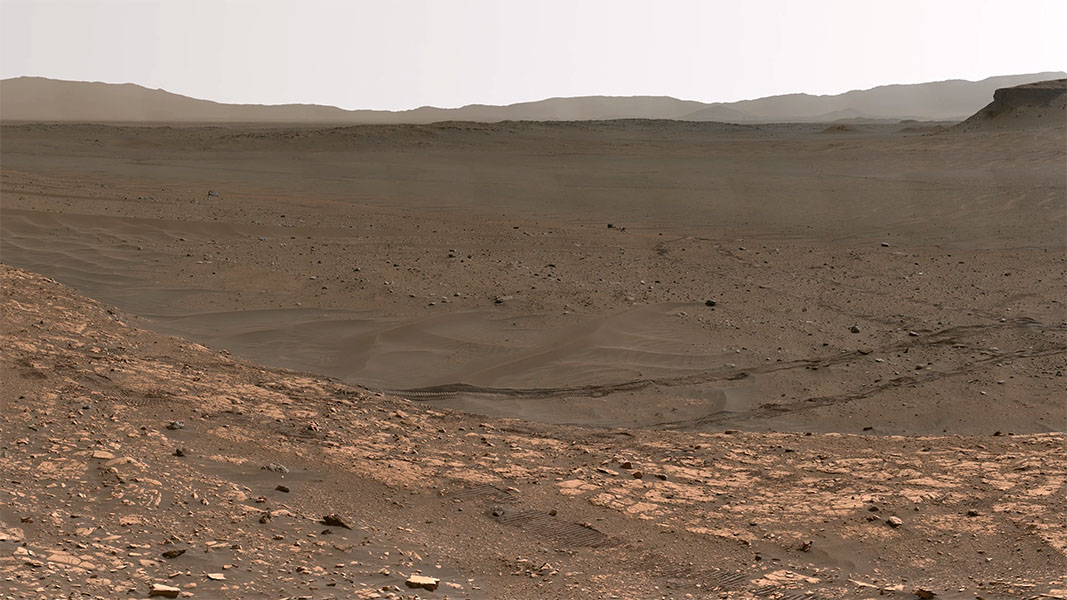
The Jezero Crater was home to an ancient river delta, one of many planetary features that speak of the Red Planet’s watery past. This image was captured by NASA’s Perseverance Mars Rover, which investigated the crater and left its track marks visible on the dusty terrain.CREDIT: NASA / JPL-CALTECH / ASU / MSSS
We certainly need a greenhouse gas to warm a planet, and carbon dioxide is a great greenhouse gas, so we think there must have been more carbon dioxide back then. But the Sun was 30 percent dimmer 4 billion years ago, and in our computer models you can’t put enough carbon dioxide in the atmosphere to raise the temperature enough. So you need another greenhouse gas on top of that to consider in the simulation. We are at the stage of “Let’s pick a gas and ask how much we need, and then ask, ‘Is it possible?’”
Also, the tilt of the Mars polar axis changes over time. What did that do to the climate? We don’t know.
How much water has there been on Mars, in total?
My 2024 paper calculates that if you took all the water that was ever present on Mars and spread it out, you could coat the planet in a uniform layer somewhere between 380 meters to 1,970 meters (0.2 to 1.2 miles) thick. On Earth, for comparison, the same kind of inventory would be a layer 1,400 meters thick. This isn’t a totally fair comparison: For Mars, that’s all the water from all time added up together, it wasn’t all on the surface at the same time. On Earth, most of it is in the ocean still today.
Long ago, Mars was much wetter than it is today. But even at its wettest, the Martian land was probably very dry: In these valley networks with runoff channels, the number of channels per square kilometer is similar to some of the driest areas on Earth, like the Sahara.
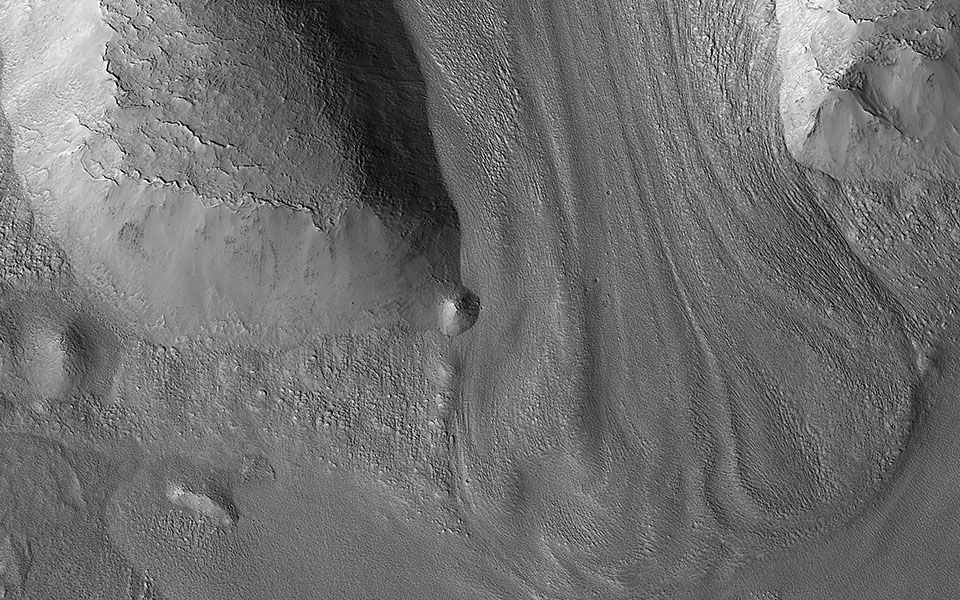
Glacier-like features, where a mass of material appears to have flowed downhill between two ridges, hint at where ice probably accumulated in the past in the mid-latitudes of Mars.CREDIT: NASA / JPL-CALTECH / UNIVERSITY OF ARIZONA
And today — how much water is on Mars now?
There’s a significant amount of water present as ice. At the poles, orbiters have seen ice a few kilometers thick; we can tell it’s water from spectrometers, and we can see the structure from radar. If you spread that ice globally, it would be a layer about 20 to 30 meters thick. There’s also some ice in mid latitudes.
There are trace amounts of water vapor in the atmosphere, orders of magnitude less than on Earth. But it can form clouds that affect the temperature, that affect the climate. There’s a robust water cycle: It can snow, but it’s too cold to rain.
The biggest uncertainty is whether there’s any water present deep within the crust. We think that there should be water there because it would have percolated into the crust from an early wet environment (this happened on Earth, too). We can estimate how much we think might be present there — it might be up to half of the total Martian water inventory. But we don’t know if it’s there.
Where did all the water go?
All the water from the large outflow channels flowed into a spot in the northern lowlands, and this would have formed a large lake — what happened to that is unclear. Did it evaporate, or did it freeze in place and get covered up by dirt and dust? We don’t know.
A lot of the water that was on Mars billions of years ago has been incorporated into minerals. And we calculated that a lot of the ancient water — at least 110 meters thickness if you were to spread it all over the planet — has been lost to space.
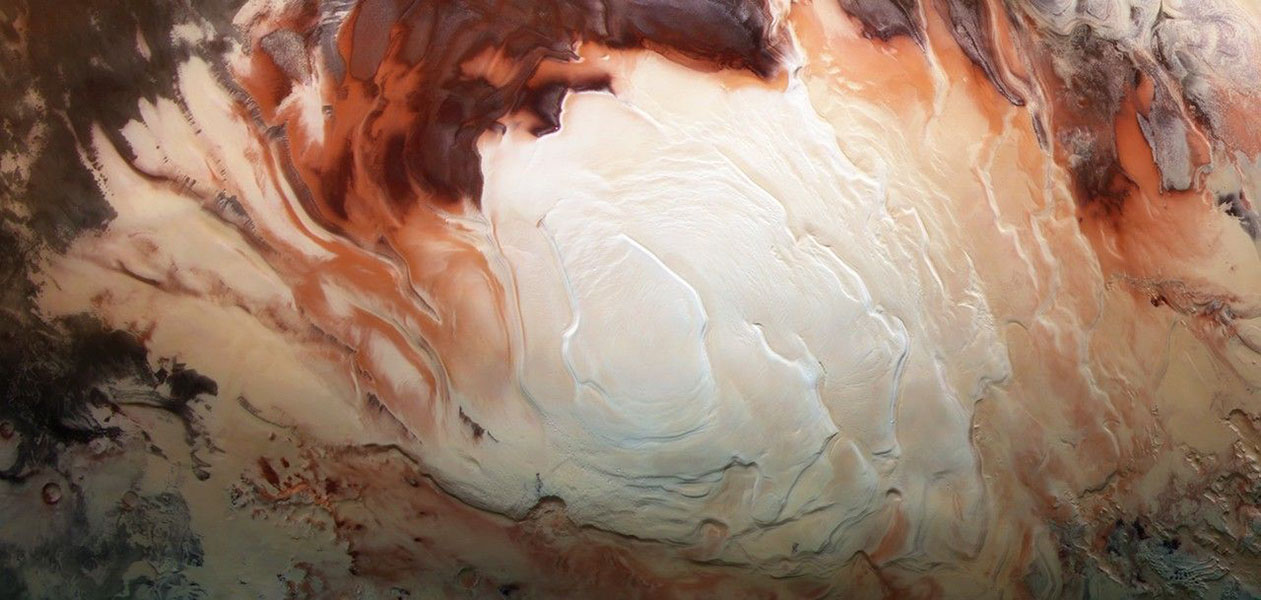
A close-up of Mars’ south pole shows a thick ice cap, thought to be made up of frozen water and frozen carbon dioxide.CREDIT: ESA / DLR / FU BERLIN / BILL DUNFORD
Why was so much water lost to space?
We used to think that the main driving force was that Mars lost its magnetic field and this led to a loss of its atmosphere, which allowed water to be stripped away. We now know it’s a lot more complicated than that. We’re still in the middle of trying to sort this out.
Is there liquid water anywhere on Mars today?
That’s the million-dollar question. In mid to low latitudes, we think there are trace amounts of liquid in the dirt, stabilized by minerals. With the Phoenix lander in the ’90s, we saw droplets of water kicked up by the landing. The amount of this water, though, is lower than is required for any Earth life.
There could be subsurface brines. But given the cold temperatures, it requires a lot of salt, and a very specific composition of salt, to have liquid water stable at the surface. Since we haven’t detected it, we don’t know what that might be like.
There’s a long discussion going back several years on whether they’ve detected layers of liquid water beneath the south polar cap. It comes out of the European radar instrument, and their interpretation was that, a kilometer down, there must be a layer of liquid water. But that has been under much debate, so I’m not willing to accept it yet.
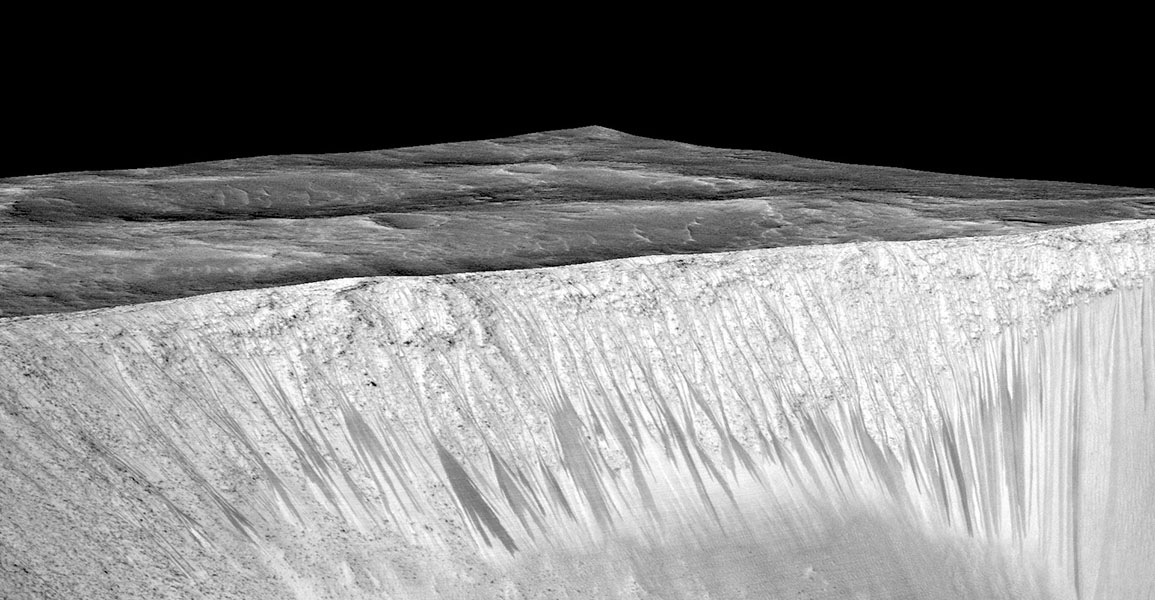
We have also seen features called recurring slope lineae: deposits that look like dark streaks that seem to grow and extend downhill. Orbiters have taken photos before and after their growth. These might be fed by fast-rising groundwater, perhaps, or a little bit of melting ice during summer that lubricates the flow. But a water origin of those features is not accepted yet. It could be dry avalanches. We’ve seen a lot of things on Mars, and on other planets, that have no good analogs on Earth.
Dark streaks called ‘recurring slope lineae’ have been spotted extending down the slope of craters like this one. Originally thought to be formed by flows of briny liquid water, more recent work suggests they may be formed by dry avalanches.CREDIT: NASA / JPL-CALTECH / UNIV. OF ARIZONA
If you wanted to look for liquid water, where would you look, and how?
If I wanted to look for larger amounts of liquid water near the surface, I would look for recent volcanism; we might find hydrothermal vents. We know that volcanism has been active up until geologically recent times, meaning the last few million years. We haven’t seen active volcanism, but that doesn’t mean it’s not there.
In the crust, if you get 2 to 3 kilometers deep, geothermal heating would raise the temperature to above the melting point of ice. It might be sitting in pore spaces microns to millimeters across, but that could still add up to a significant amount of water.
You could do electromagnetic sounding, the way that’s used to detect liquid water on Earth. So, if you put a rover down and had it do a loop and lay out an electrical cable over a kilometer or a couple of kilometers, you might be able to detect deep liquid water. I know people are thinking about it, but there hasn’t been an opportunity to propose a mission like that yet.
There’s evidence for life on Earth going back as far as 4 billion years ago. So, what are the odds that Mars had life back then, too?
That’s the question. Ancient Mars meets the environmental requirements for life: liquid water; access to “biogenic” elements like carbon, hydrogen, oxygen, nitrogen and a dozen others (which are still there today); and a source of energy from chemical reactions. Mars had all that.
What’s my bet? Either there was or there wasn’t, so it must be 50/50 (laughs). I decline to make a guess. Mars meets the requirements. It could have life. The only way we’re going to know is by going there and really looking.
What has the search for life on Mars found so far?
We tried twice with Viking landers in the 1970s. In hindsight, those experiments were ill- conceived. They were basically predicated on the basis of: Let’s take a sample of dirt and add in liquid water and organic nutrients and see if we get chemical reactions indicative of life.
“We’ve seen a lot of things on Mars, and on other planets, that have no good analogs on Earth.”
— BRUCE JAKOSKY
They had hints of positive results but it was complicated, and in the end, the consensus, the majority view, is that it did not detect life.
But today we know that 99.99 percent of microbes can’t be cultured in the lab because we’ve taken them out of their environment, and there’s something that’s missing, we just can’t get them to grow. So, what are the odds that we can go to Mars, throw in a random sample of organic molecules and culture any organisms? I think it’s very unlikely.
The Allen Hills meteorite, collected in Antarctica, came from Mars. In the 1990s, a group at Johnson Space Center put forward the idea that there was evidence within the rock for life. That’s no longer considered compelling or convincing, but we learned a lot about how to look for life.
What would convince you?
You need multiple measurements that all point, through different means, to life being present. So, for ancient life, if we found morphological fossils and organic molecules and isotopic evidence that all suggested life, that would be pretty convincing. For present day life, if we could identify organisms that are really different from terrestrial organisms, then we would know it’s not contamination, that we didn’t accidentally bring it to Mars from Earth, ourselves.
Unlike with the Moon, humanity hasn’t yet brought any samples back from Mars. What’s the plan?
There’s a plan for the Perseverance rover to collect samples and bring them back to study. We’ve sent the rover to a place where we know there was liquid water.
It’s a complicated mission. Perseverance is collecting samples, in tubes about the length of a cigarette and a centimeter wide, and leaving them on the surface in well-marked locations. Then we’ll send a spacecraft that will collect them, put them into a container about the size of a volleyball, put it onto a Mars ascent vehicle and launch it into orbit. Then a different spacecraft will orbit the planet, collect that volleyball and bring it back to Earth, but not until after 2030.
China is also planning what’s called a grab sample, where they land, scoop up something, maybe pick up a rock, put it in a rocket, send it back.
There have been more than 20 successful missions to Mars since 1965, including flybys, orbiters and landers by many nations. You were principal investigator on NASA’s Mars Atmosphere and Volatile Evolution (MAVEN) mission, which has been orbiting Mars since 2014. What has been its main achievement?
MAVEN is the only spacecraft that was devoted to understanding the upper atmosphere and the stripping of gases to space. It was very successful, but we still don’t know everything. Imagine trying to understand the history of the Earth from a handful of missions, without the benefit of hundreds of years of on-the-ground studies.
Stay in the Know Sign up for the Knowable Magazine newsletter today
What are the most exciting upcoming missions to Mars?
There are only two upcoming missions that I’m aware of. NASA’s Escapade — it’s a small orbiting mission — might launch later this year. It will look at the upper atmosphere as a complement to MAVEN.
The second is Rosalind Franklin. It was a joint ESA-Russia collaboration, originally going to be launched in 2020 but then delayed to late 2022. After the Russians invaded Ukraine that year, the European Space Agency withdrew from that collaboration. They took all the Russian hardware off the spacecraft, and they had to push back the launch date to 2028 at the earliest.
It is a lander and rover. The big thing that it’s going to do that hasn’t been done before is it will drill down 2 meters below the surface. At that depth, any organic molecules would be shielded from galactic cosmic rays or solar particles.
Should we send people to Mars?
I think, scientifically, it’s imperative. They can do so much more, so much more quickly than robotic spacecraft.
Science isn’t the only reason. Another reason is national prestige. A third reason is getting people excited about going into STEM (science, technology, engineering and math) careers.
It is doable. But it is really difficult, and it’s not cheap. The minimum numbers that are credible are $100 billion. Elon Musk is talking about being able to send people in four years. I think that ignores a lot of the problems, like life support, keeping people alive for the three years to do a round trip, and making enough fuel to get back. My bet is we are 10 to 15 years away from being able to send people.
Elon Musk has said, let’s abandon the Moon and go straight to Mars. I don’t know what President Trump is going to do.
Nicola Jones is an editor and writer who lives in Pemberton, British Columbia. Read more about her and her work on her blog.
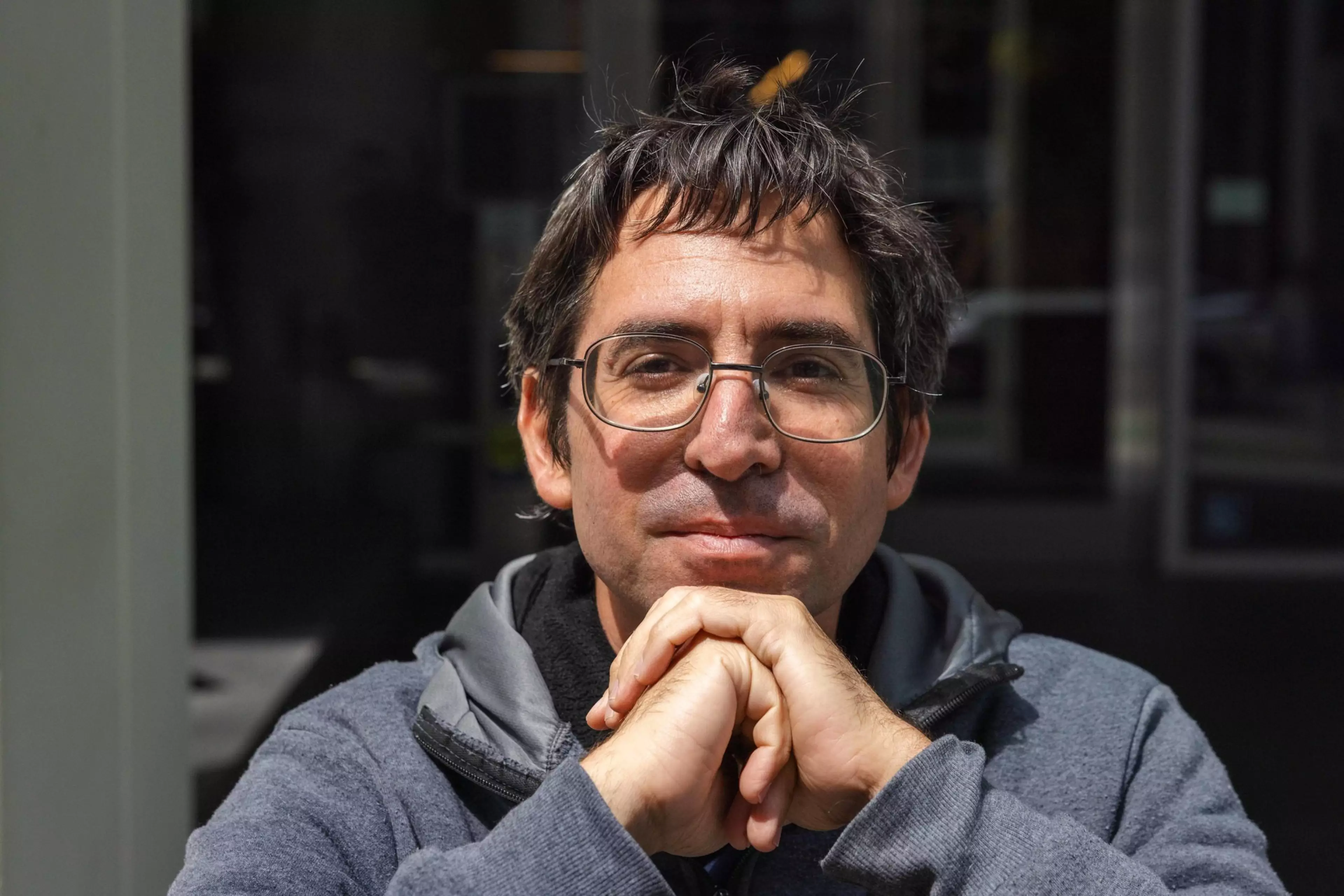
Guido Reichstadter has been protesting outside Anthropic’s SF Headquarters for two weeks.
Guido Reichstadter is one of several people around the world on hunger strikes against the development of artificial intelligence. | Source:Amanda Andrade-Rhoades/The StandardShare
Three men with deep concerns about the threat artificial intelligence could pose to human existence have embarked on hunger strikes this month in an attempt to get the attention of prominent companies in the field.
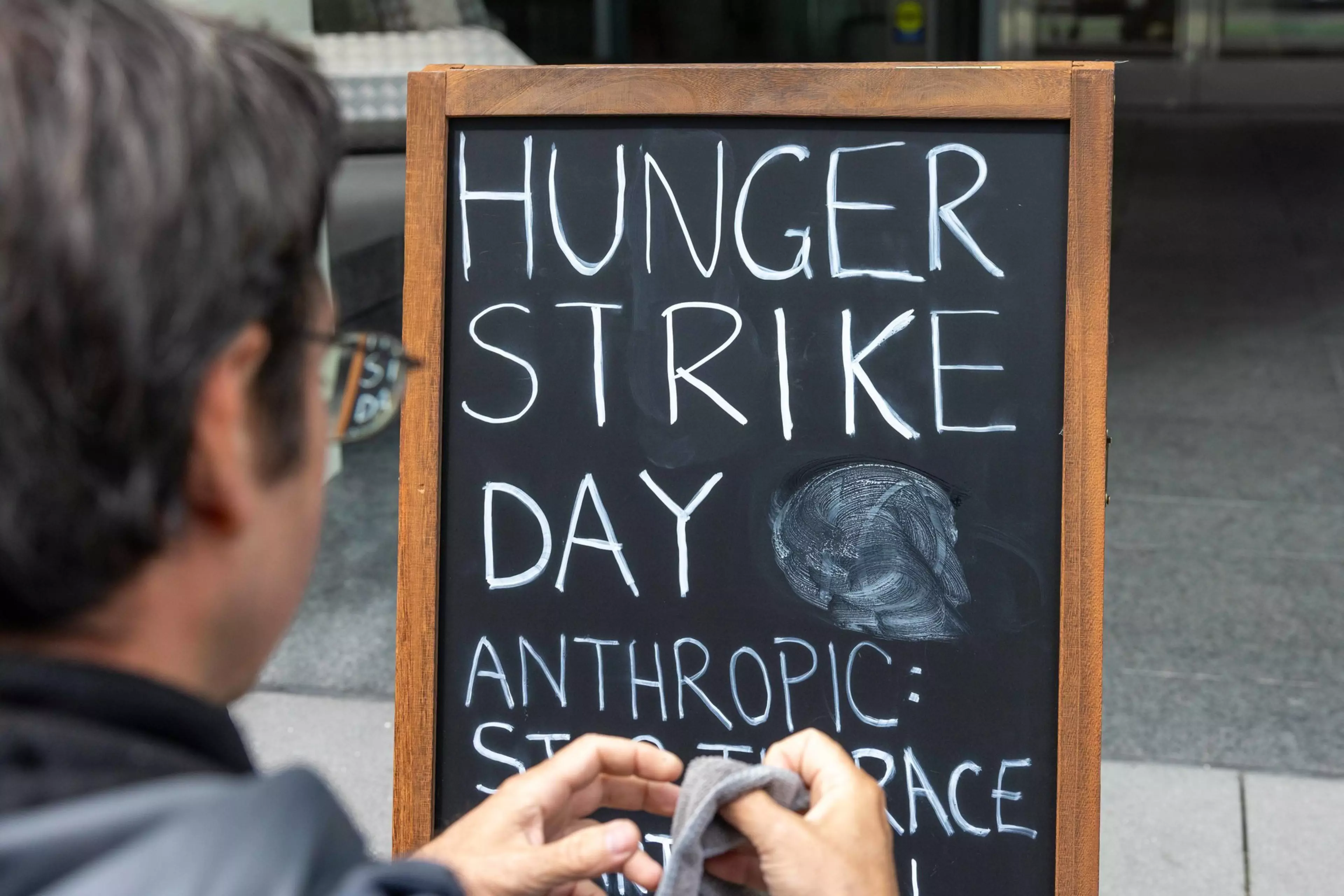
On Sept. 1, activist Guido Reichstadter set up an A-frame and folding chair outside the Howard Street office building that’s home to the AI firm Anthropic, beginning a hunger strike during which he is intaking electrolytes and vitamins — but no calories.
In an X post two days later, Reichstadter said he is “calling on Anthropic’s management, directors, and employees to immediately stop their reckless actions which are harming our society and to work to remediate the harm that has already been caused.” Reichstadter made the stakes, as he sees them, plain: “We are in an emergency. Let us act as if this emergency is real.”
Days later, a second activist and former AI researcher, Michaël Trazzi, set up similarly outside the headquarters for Alphabet’s AI research lab, Google DeepMind, in London’s Pancras Square.
Guido Reichstadter updates a sign with the number of days he’s been on a hunger strike in front of Anthropic headquarters. | Source:Amanda Andrade-Rhoades/The Standard
In an X post announcing his strike, Trazzi expressed support for Reichstadter’s action and belief that the stakes with AI companies’ frontier models are too high to pursue even with technical attempts to set up guardrails. Like Reichstadter, he’s asking DeepMind to halt development if other companies similarly pause their efforts.
“Experts are warning us that this race to ever more powerful artificial general intelligence puts our lives and well-being at risk, as well as the lives and well-being of our loved ones,” Trazzi wrote in part.
A Standard reporter went to Howard Street on Friday afternoon to meet with Reichstadter, who was surrounded by signs splashed with dire warnings about AI risks and was expecting to have a call with Trazzi in London. However, Reichstadter said Trazzi had suspended his strike. The reporter soon found an X post from Trazzi, saying he had experienced a fainting episode and stopped fasting at the recommendation of two doctors.
Another protester, Denys Sheremet, planned to continue the hunger strike he’d begun with Trazzi outside DeepMind’s offices six days prior.
“I want to thank everyone who has supported me in this journey, both in person and online,” Trazzi said Thursday on X. “My hunger strike ends now, but the movement continues, with Guido and Denys still on strike in front of Anthropic and DeepMind.”
Protesters connect across continents
A Standard reporter spoke Saturday morning with Sheremet, when he FaceTimed with Reichstadter from London. The two discussed the strategies they have been deploying to get the attention of AI executives, and consoled one another in their struggle.
In the middle of the call, Reichstadter took the time to coach Sheremet on his nutritional regimen. Since having chicken and pasta for dinner Aug. 31, Reichstadter, 45, has consumed only water, vitamins, and electrolytes. Then, he told Sheremet the story of Sodom and Gomorrah, in which Abraham negotiates with God to save the city of Sodom so long as Abraham can find 10 righteous people.
“Let’s see if there are 10 people of integrity at Anthropic,” Reichstadter said. Sheremet nodded affirmatively.
“Keep it up,” Sheremet encouraged before they hung up.
Denys Sheremet and Guido Reichstadt are striking in solidarity against AI companies. | Source:Ezra Wallach/The Standard
Reichstadter encouraged Sheremet to stay strong. | Source:Ezra Wallach/The Standard
Reichstadter said he delivered a letter to Anthropic CEO Dario Amodei through the lobby’s security guard on the first day of the protest, requesting a meeting to discuss the technology’s potential dangers. The company has not publicly responded to the protest, and Reichstadter said he plans to continue the hunger strike indefinitely until Amodei agrees to meet with him.
“This company is building technology that their CEO acknowledges puts my life at risk, my children’s lives, everyone in this society,” Reichstadter said.
Reichstadter, who conducted a 14-day hunger strike in April 2022 demanding that Miami-Dade Mayor Daniella Levine Cara declare a climate emergency, said he chose the extreme form of protest because AI companies are “running into a minefield” by racing to develop artificial general intelligence, or AGI.
‘Wake them up to the danger’
He was joined Friday by Phoebe Thomas Sorgen, 71, a longtime activist who said she may begin her own hunger strike to support the cause. Thomas Sorgen said she became concerned about AI risks about three months ago after meeting Reichstadter and other activists at Travis Air Force Base in Fairfield during a protest against the Trump administration’s immigration policies.
“It’s a horrible threat that we’re facing,” Thomas Sorgen said, citing concerns about job displacement, data privacy, and environmental impacts from energy-intensive data centers.
Phoebe Thomas Sorgen, left, and Guido Reichstadter talk in front of Anthropic headquarters. | Source:Amanda Andrade-Rhoades/The Standard
Both referenced statements from AI researchers, including Geoffrey Hinton, who won a Nobel Prize last year and has warned about potential extinction risks from artificial superintelligence. A statement on AI risk signed by numerous researchers, including Anthropic CEO Dario Amodei, warns that “mitigating the risk of extinction from AI should be a global priority.”
Reichstadter said he has three simple demands for Anthropic: stop endangering lives through AI development, use the company’s resources to halt the global AI race through international negotiations, and have Amodei explain why he believes he has the right to risk human lives.
Anthropic, founded in 2021 by Amodei and other former OpenAI executives, says it has emphasized safety research alongside its commercial products.
“I’m here to get the word out as long as I can,” Reichstadter said. “Everyone that understands the situation we’re in has some responsibility to wake them up to the danger.”
The great child psychologist gives us a moving revelation of the enormous and irreplaceable value of fairy tales – how they educate, support and liberate the emotions of children.
Bruno Bettelheim (1903-1990) was an Austrian-born American child psychologist and writer. He gained an international reputation for his views on autism and for his claimed success in treating emotionally disturbed children.
What if every dollar you spend today could save you 10 dollars tomorrow? Development expert Harjeet Singh reveals how climate solutions like floating farms and “sponge cities” that absorb floodwater aren’t just clever adaptations — they’re smart economics. He explains why wealthy nations must fund the adaptation efforts of developing countries and shows how anybody can build resilience to climate change no matter where they are.
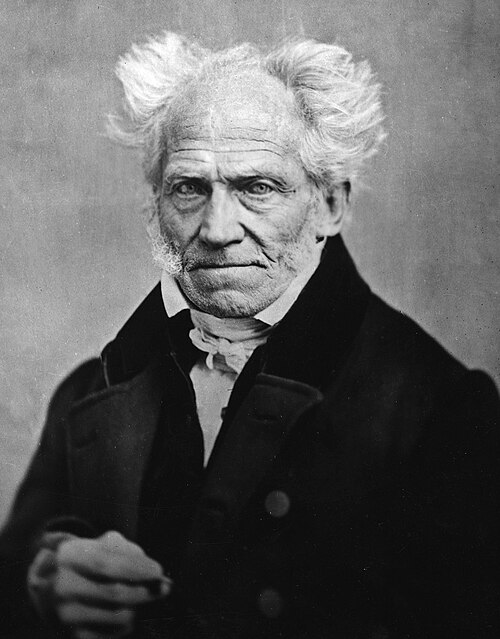
“It is difficult to find happiness within oneself, but it is impossible to find it anywhere else.”
~ Schopenhauer
Arthur Schopenhauer (February 22, 1788 – September 21, 1860) was a German philosopher. He is known for his 1818 work The World as Will and Representation, which characterizes the phenomenal world as the manifestation of a blind and irrational noumenal will. Wikipedia
“The best political, social, and spiritual work we can do is to withdraw the projection of our shadow onto others.”
~ Jung
Carl Gustav Jung (July 26, 1875 – June 6, 1961 ) was a Swiss psychiatrist, psychologist, and psychotherapist who founded Analytical Psychology. He was a prolific author and illustrator who developed a unique approach to understanding the human psyche. Jung’s personality theory focuses on the interplay between the conscious and unconscious mind, and the integration of personality aspects to achieve self-realization. He believed the psyche seeks wholeness through self-discovery and balance. (Wikipedia.org)
I’m delighted to let you know about the publication of my new book, The Shining of Being, the latest volume in ‘The Essence of Meditation Series’.
The Shining of Being has emerged from nearly five decades of exploration into the nature of our essential self. This book distils the essence of meditation into its most direct form – not as something we do, but as what we essentially are.
The book traces a simple journey from our most intimate knowledge of ourselves to the recognition that this same being is the reality of all existence. Allow me to share three passages that illuminate this understanding.
The ‘Water’ in All Our Experiences
When we drink tea, coffee or wine, we are mostly drinking water. But we don’t realise that we are drinking water as the water is mixed with various flavours, sweet or bitter. It is the same with our self or being. In every experience we have, whether pleasant or unpleasant, we are experiencing our being.
This simple analogy reveals something profound about our daily experience. Right now, as you read these words, you might say ‘I am reading’, ‘I am curious’, or ‘I am thinking’. In each case, notice how the sentence begins with the same ‘I am’ – this is the water, the essential ingredient in all experience.
The flavours of our experience are constantly changing – sometimes pleasant like honey, sometimes bitter like medicine. But the ‘I am’ that underlies them all remains unchanged, like water that can take on any flavour whilst never losing its essential nature as water.
When we recognise this in our own experience, we discover that what we’ve been seeking – peace, fulfilment, love – is not hidden in the flavours of experience but shines as the very ‘I am’ that experiences them all.
The Moon That Reveals the Canvas
Let us take another analogy:
Just as the full moon in Turner’s paintings seems to be an object in the landscape but is in fact the white paper showing through, so the knowledge ‘I am’ seems to be a thought in the mind, but is in fact the awareness in which all thoughts, feelings, sensations and perceptions appear.
This watercolour technique employed by J.M.W. Turner offers a perfect metaphor for understanding our essential nature. At first glance, the moon appears to be painted into the landscape – just another object amongst the trees and fields. But closer examination reveals it’s actually unpainted paper, the very background upon which the entire painting exists.
Similarly, the knowledge ‘I am’ might seem like just another experience in the mind – a thought, a feeling, a sense of self amongst others. But when we investigate it directly, we discover it’s not an object of experience at all. It’s the aware presence in which all experiences appear and disappear.
This awareness – this ‘I am’ – is like the white paper of consciousness. It’s the unchanging background that remains present whether we’re thinking or not thinking, feeling happy or sad, perceiving the world or resting in deep sleep.
Just Be
Simply being is your nature; abide as that. In other words, don’t mediate; just be. Simply being is the origin, the path and the goal.
Here lies the radical simplicity at the heart of the deepest spiritual understanding. Most approaches to peace and fulfilment assume we must travel somewhere, achieve something, or become someone different. They offer practices, methods, and stages of development.
But what if what we’re seeking is not a destination to reach but our very point of departure? What if peace is not something to be acquired but the very nature of the one who would acquire it?
This recognition – that being is already our nature – transforms the entire spiritual search. We don’t need to manufacture peace through techniques or discipline. We need only recognise what we already are and remain as that.
This doesn’t mean we become passive or disengaged. Rather, we discover that all authentic action arises spontaneously from this recognition of our essential nature, just as light naturally radiates from the sun.
The Essence of All Meditations
The Shining of Being reveals that all spiritual practices – whether progressive paths that focus on objects, direct paths that investigate the subject, or the pathless path of simple being – ultimately converge in this recognition of our essential nature.
The book itself emerged from decades of meditation meetings where this understanding was explored experientially, not just intellectually. Each chapter guides us back to the most intimate, familiar experience there is: the simple fact of being, the knowledge ‘I am’.
In a world that often feels fragmented and uncertain, this understanding offers something unshakeable – not as an escape from our human experience, but as the very ground in which all experience takes place.
The essence of meditation, I suggest, is not to retreat from life but to remain as being in the midst of all experience – to taste the water in whatever wine life offers us.
The Shining of Being is available here. Each chapter can be read as a complete meditation, and the entire book serves as a guide for those drawn to the most direct recognition of our essential nature.
Consciousness, spirituality, biography, sexuality, androgyny, futurism, space, the arts, science, astrology, democracy, humor, books, movies and more