Science Backs Up the Therapeutic Power of Gratitude

In a world filled with challenges, the practice of gratitude offers a simple yet powerful tool for enhancing well-being…

THOM HARTMANN

OCT 22, 2024 (WisdomSchool.com)

Image by Gerd Altmann from Pixabay

When I was a child, my mom and I said prayers every night before I went to sleep. Even though I’m not certain there’s anybody listening (that’s the topic of another article), I’ve continued the practice my entire life.

Every morning I thank my departed parents for my life, my mentors and teachers for the knowledge and insights they’ve given me, and the universe or God for all the gifts I’ve enjoyed from good health to a wonderful family to meaningful work and a nice home. (I’m also in a little email prayer circle of people on three continents I met through my work decades ago with an international relief organization.)

Ever since my twenties, I’ve been convinced that when I name the people on my prayer list I’m actually sending them some sort of positive or even healing energy; Christian Science has always appealed to me. And I’m even more certain that expressing thankfulness every morning contributes to my own mental health and positive outlook.

Now science is backing up that latter belief.

In a world where stress and anxiety are increasingly prevalent, the search for effective coping mechanisms has become a pressing concern. One approach that’s garnered significant attention in recent years is the practice of gratitude, thanks in large part to the groundbreaking research of Dr. Judith T. Moskowitz, a psychologist at Northwestern University’s Feinberg School of Medicine.

Moskowitz’s work has not only highlighted the benefits of gratitude but also integrated it into a broader set of positive emotion skills that can significantly improve mental and physical health.

The Foundations of Gratitude Research

Moskowitz’s journey into the realm of positive emotions began over two decades ago when she was studying how men caring for partners with HIV, then a terminal illness, coped with the emotional toll of their situation. What struck her was the caregivers’ desire to discuss the positive, meaningful moments they experienced, despite the overwhelming negativity of their circumstances.

This observation laid the groundwork for her subsequent research, which has consistently shown that focusing on positive emotions, particularly gratitude, can be a powerful tool for managing stress and improving overall well-being.

The Eight Positive Emotion Skills

At the heart of Moskowitz’s research are eight skills designed to enhance positive emotions and reduce anxiety. These skills include:

  • Noticing Positive Events: Recognizing and acknowledging the good things that happen each day.
  • Savoring Positive Events: Taking time to fully appreciate and relive positive experiences.
  • Expressing Gratitude: Reflecting on and expressing thanks for the good things in life.
  • Practicing Mindfulness: Being present in the moment and fully engaging with one’s surroundings.
  • Reframing Events: Finding positive aspects or lessons in negative experiences.
  • Noticing Personal Strengths: Identifying and reflecting on personal strengths and how they are used.
  • Setting Attainable Goals: Establishing and working towards achievable daily goals.
  • Displaying Acts of Kindness: Performing small acts of kindness towards others

The Role of Gratitude

Gratitude is a central component of these skills. Moskowitz’s research has shown that practicing gratitude can have profound health benefits. By incorporating gratitude into daily life, individuals can reduce stress levels, lower their risk for mental health issues, and even improve their immune function.

This is achieved through simple practices such as keeping a daily gratitude journal, where one writes down three things they are grateful for each day. This habit helps in recognizing the good things in life, no matter how small or mundane they may seem. While she doesn’t address prayer in her research (at least what I’ve read), I’m confident it would fit in here just fine.

Health Benefits of Gratitude

The health benefits of practicing gratitude are multifaceted. Studies have found that individuals who regularly practice gratitude experience:

  • Reduced Stress: Gratitude helps in managing daily stress and major life stressors more effectively.
  • Improved Mental Health: It lowers the risk for depression and anxiety, with participants in Moskowitz’s studies showing a significant decrease in depression and anxiety scores after practicing these skills
  • Enhanced Physical Health: Gratitude has been linked to fewer signs of heart disease and improved immune function, indicating a positive impact on overall physical health

Clinical Applications

Moskowitz’s research has been applied to various clinical populations, including caregivers of partners with dementia, patients with advanced cancer, diabetes, HIV, and those experiencing depression.

Her team has developed and tested these positive emotion skills with these groups, finding consistent improvements in mental and physical health. For instance, a five-week course taught to caregivers of dementia patients resulted in a 16% decrease in depression scores and a 14% decrease in anxiety scores.

Participants reported that caring for their loved ones became less of a struggle, and they felt a greater sense of acceptance and positive impact on their loved ones

The Gratitude-Generosity Loop

An interesting aspect of Moskowitz’s research is the concept of a “gratitude-generosity loop.” Studies suggest that practicing gratitude prepares the brain for generosity, leading to a cycle where gratitude inspires compassion and generosity.

This loop is evident in the way grateful people are more likely to give back to their communities and engage in acts of kindness, further reinforcing the positive emotional state

Implementing Gratitude in Daily Life

Moskowitz emphasizes the importance of making gratitude a daily habit. Here are some practical ways to incorporate gratitude into your daily routine:

  • Daily Gratitude Journal: Write down three things you are grateful for each day. These can be as simple as a good cup of coffee or a beautiful sunrise.
  • Reflecting on Positive Experiences: Take a moment to fully appreciate and savor positive events, whether big or small.
  • Sharing Gratitude: Tell someone about the positive events in your day or share them on social media to prolong the positive feelings

Future Directions and Ongoing Research

Moskowitz continues to expand her research, currently focusing on how these positive emotion skills can benefit individuals dealing with everyday stressors. Her latest project involves an online resilience course open to anyone aged 18 and older in the United States.

Participants will complete surveys to measure their levels of anxiety and positive emotions before and after taking the course. This ongoing research aims to further understand the mechanisms of positive interventions and their long-term impact on health

Conclusion

Dr. Judith Moskowitz’s research has unequivocally demonstrated the therapeutic power of gratitude and other positive emotion skills. By incorporating these skills into daily life, we can better cope with stress, improve our mental and physical health, and cultivate a more positive outlook.

Here’s a simple experiment: go outdoors, look up into the sky or around you at nature, and say “Thank you” out loud. Repeat it until you feel it. Let gratitude wash over you.

As Moskowitz advises, “By practicing these skills, it will help you cope better with whatever you have to cope with. Ultimately, it can help you be not just happier but also healthier.”

In a world filled with challenges, the practice of gratitude offers a simple yet powerful tool for enhancing well-being. As we navigate the complexities of life, embracing gratitude can lead to a more resilient, compassionate, and healthier version of ourselves.
How Japan’s Shinkansen bullet trains changed the world of rail travel forever

By Ben Jones, CNN

Published 12:46 AM EDT, Tue October 1, 2024

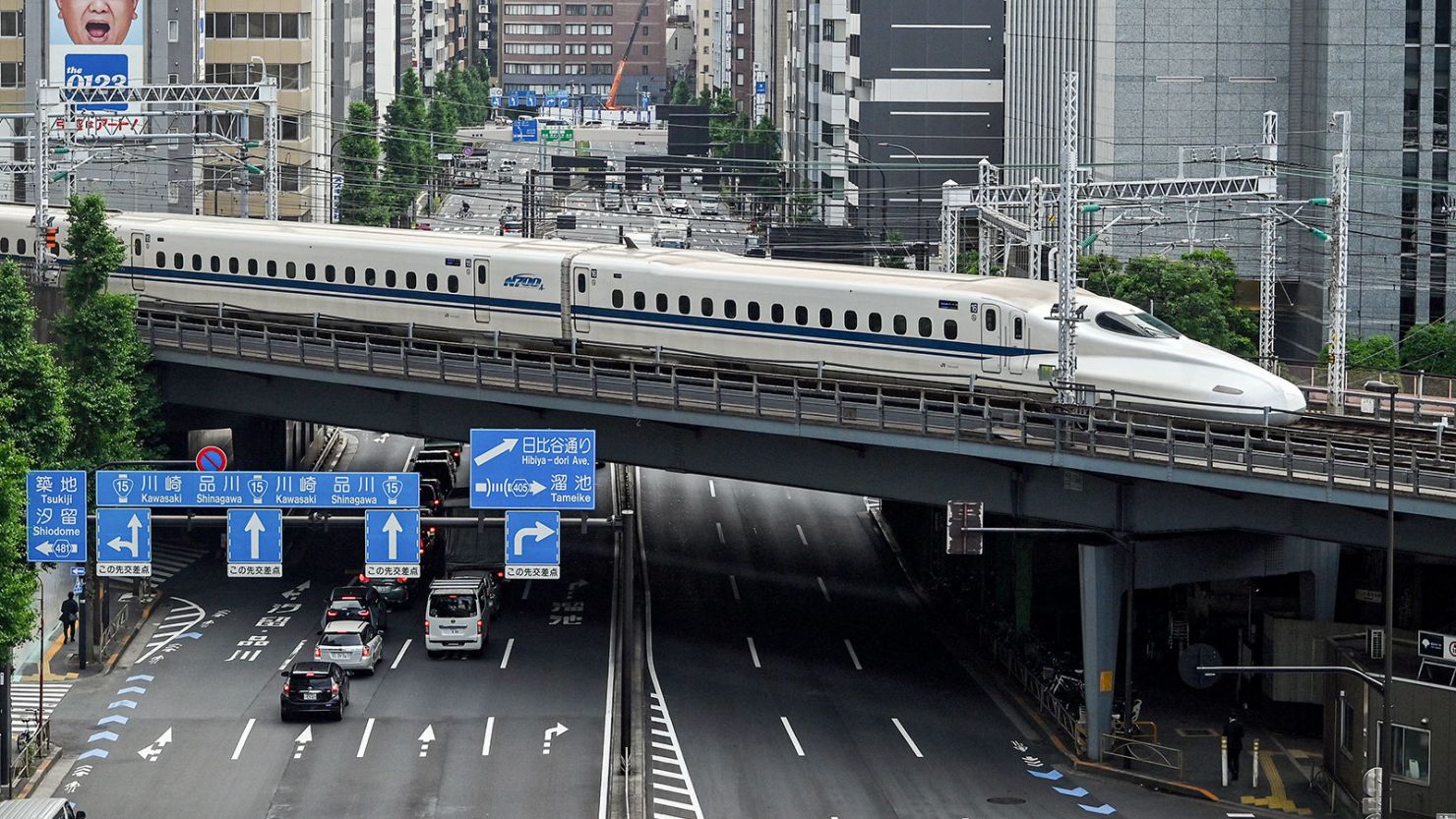
A "shinkansen", or high-speed bullet train, passes along the tracks above traffic on the streets below, near Shimbashi station in central Tokyo on May 22, 2024.

A “shinkansen”, or high-speed bullet train, passes along the tracks above traffic on the streets below, near Shimbashi station in central Tokyo on May 22, 2024.RICHARD A. BROOKS/AFP/AFP via Getty ImagesCNN — 

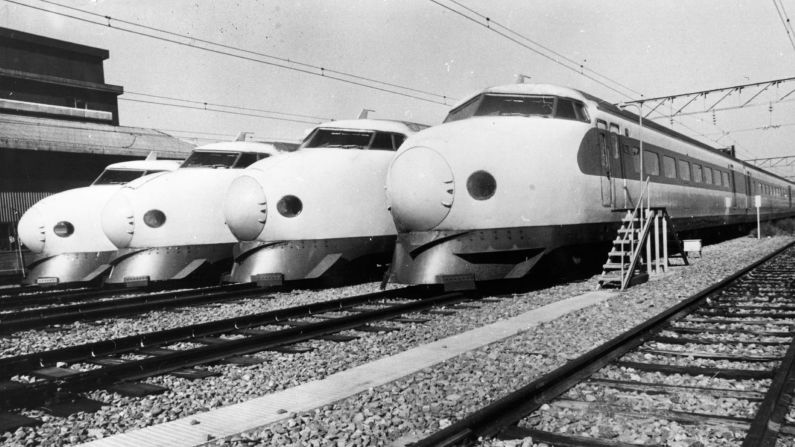
Sixty years ago, early in the morning of October 1, 1964, a sleek blue and white train slid effortlessly across the urban sprawl of Tokyo, its elevated tracks carrying it south toward the city of Osaka and a place in the history books.

This was the dawn of Japan’s “bullet train” era, widely regarded as the defining symbol of the country’s astonishing recovery from the trauma of World War II. In tandem with the 1964 Tokyo Olympic Games, this technological marvel of the 1960s marked the country’s return to the top table of the international community.

In the six decades since that first train, the word Shinkansen – meaning “new trunk line” – has become an internationally recognized byword for speed, travel efficiency and modernity.

This photo illustration shows a private rooms on the Tokaido Shinkansen.

RELATED ARTICLEPrivate rooms coming to some of Japan’s bullet trains

Japan remains a world leader in rail technology. Mighty conglomerates such as Hitachi and Toshiba export billions of dollars worth of trains and equipment all over the world every year.

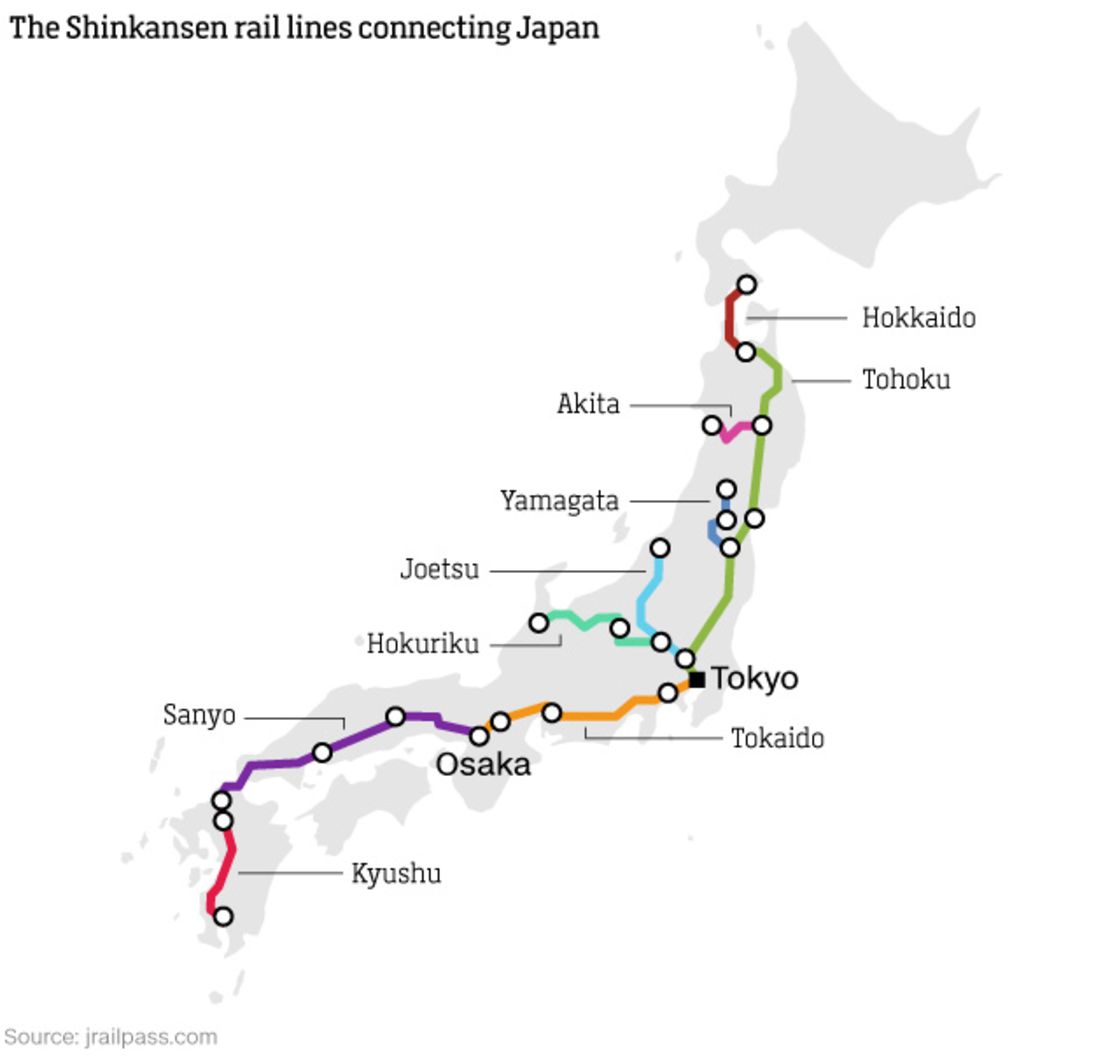
The Shinkansen network has expanded steadily since the 320-mile Tokaido line, linking Tokyo and Shin-Osaka was completed in 1964. Trains run at up to 200 mph (about 322 kph) on routes radiating out from the capital – heading north, south and west to cities such as Kobe, Kyoto, Hiroshima and Nagano.

As well as a symbol of recovery, Shinkansen have been used as a tool for Japan’s continuing economic development and an agent of change in a country bound by convention and tradition.

Pushing the boundaries

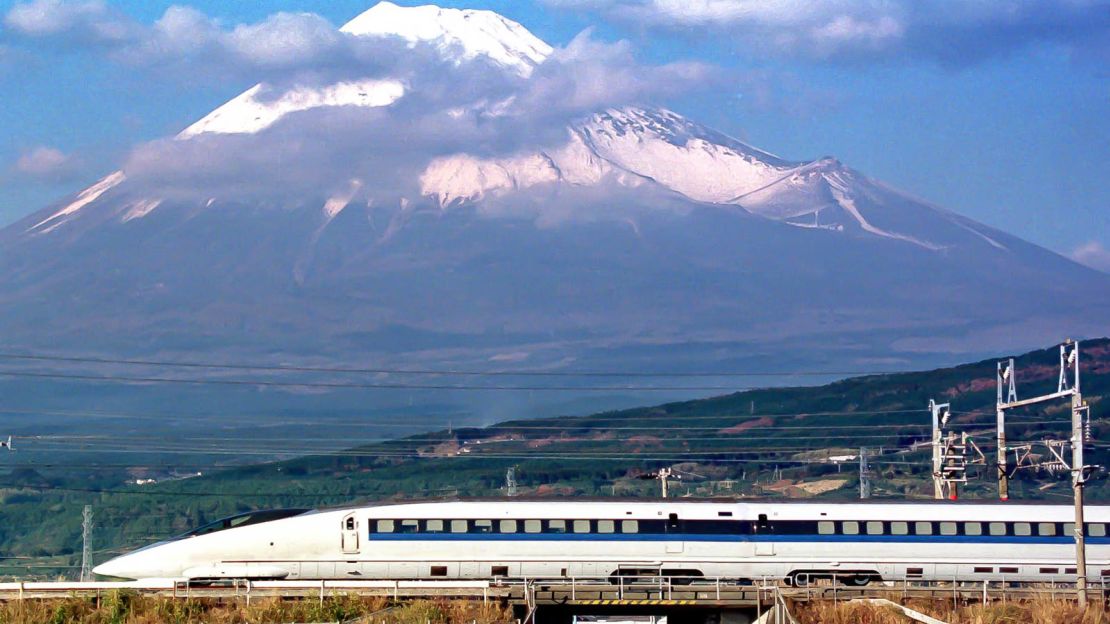
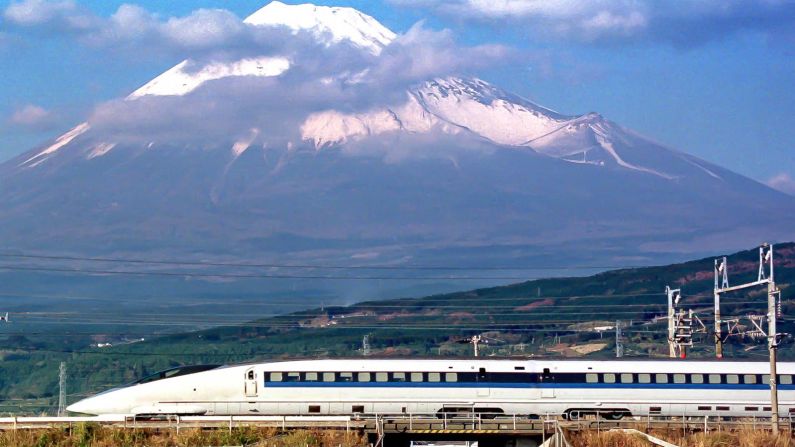
A Shinkansen train speeds past Mount Fuji.

A Shinkansen train speeds past Mount Fuji.AFP/Getty Images

Its development owes a great deal to Japan’s early railway history. Rather than the 4ft 8.5in “standard” gauge used in North America and much of Europe, a narrower gauge of 3ft 6in was chosen.

Although this was cheaper and easier to build through mountainous terrain, capacity was limited and speeds were low.

With Japan’s four main islands stretching around 1,800 miles (nearly 3,000 kilometers) from end to end, journeys between the main cities were long and often tortuous.

Photo taken from a Kyodo News helicopter shows a Hokuriku Shinkansen bullet train making a trial run in Kaga, Ishikawa Prefecture, central Japan, on Oct. 1, 2023, ahead of a new section opening. (Photo by Kyodo News via Getty Images)

RELATED ARTICLENew bullet train route makes it easier than ever to visit Japan’s stunning Hokuriku region

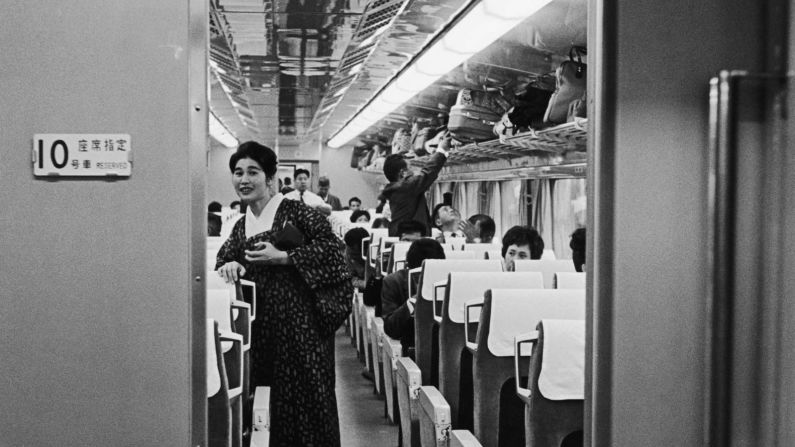
In 1889, the journey time from Tokyo to Osaka was 16 and a half hours by train – better than the two to three weeks it had taken on foot only a few years earlier. By 1965, it was just three hours and 10 minutes via the Shinkansen.

Demands for a “standard gauge” rail network started in the 20th century, but it was not until the 1940s that work started in earnest as part of an ambitious Asian “loop line” project to connect Japan to Korea and Russia via tunnels under the Pacific Ocean.

Defeat in World War II meant that plans for the new railroad were shelved until the mid-1950s, when the Japanese economy was recovering strongly and better communications between its main cities was becoming essential.

Although much of the network serves the most populous regions of Honshu, the largest of Japan’s islands, lengthy sea tunnels allow bullet trains to run hundreds of miles through to Kyushu in the far south and Hokkaido in the north.

A map of Japan's high-speed rail lines.

A map of Japan’s high-speed rail lines.jrailpass.com

Japan’s challenging topography and its widely varying climates, from the freezing winters of the north to the tropical humidity farther south, have made Japanese railroad engineers world leaders at finding solutions to new problems as they push the boundaries of rail technology.

Not least of these is seismic activity. Japan is one of the most geologically unstable places on the planet, prone to earthquakes and tsunamis and home to around 10% of the world’s volcanoes.

While this provides arguably the defining image of the Shinkansen – a high-tech modern train flashing past the snow-capped Mount Fuji – it also makes the safe operation of high-speed trains much more difficult.

Despite these factors, not a single passenger has ever been killed or injured on the Shinkansen network due to derailments over its history.

Japan’s high-speed rail revolution

<strong>China's rail expansion:</strong> China has now eclipsed the rest of the world when it comes to high speed rail. The country has 18,000 miles of track capable of carrying fast trains to all corners.
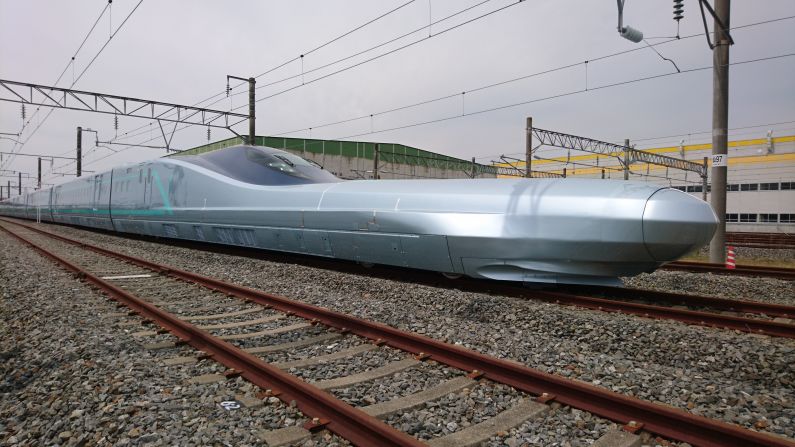
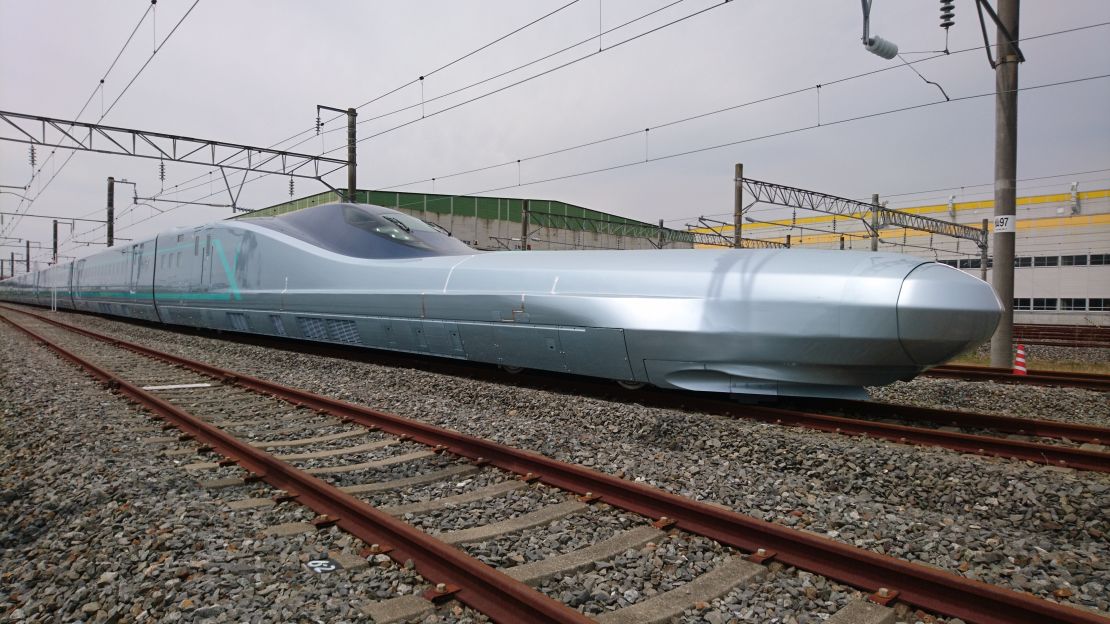
<strong>ALFA-X:</strong> The next generation of bullet trains, known as ALFA-X, is currently being tested at speeds of almost 250 mph (400 kph), although the service maximum will be "only" 225 mph.
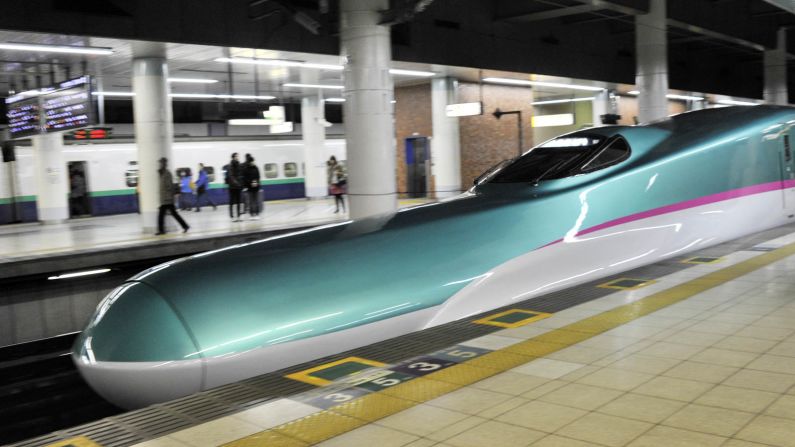
<strong>Fast train: </strong>Japan's distinctive Shinkansen "bullet trains" have been plying the country's high-speed railways since 1964.

Fast train: Japan’s distinctive Shinkansen “bullet trains” have been plying the country’s high-speed railways since 1964.Yoshikazu Tsuno/AFP/Getty Images

<strong>New age:</strong> The arrival of the bullet trains, coupled with the Tokyo OIympics of 1964 helped signal the arrival of modern Japan after the country's defeat in World War II.
<strong>First trains: </strong>The arrival of the bullet trains meant that the travel time between Tokyo and Osaka shrank to just over three hours. Subsequent generations of Shinkansen would reduce it further.
<strong>Asama: </strong>This Shinkansen train, known as Asama, was introduced for the 1998 Winter Olympics in Japan.
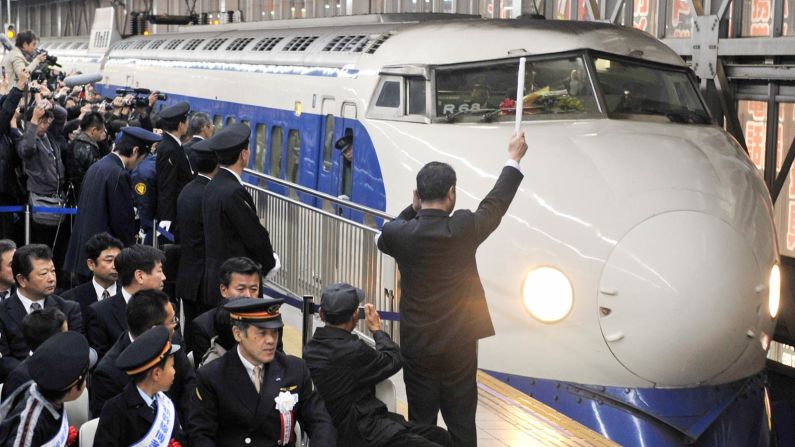
<strong>Built to last: </strong>The last train of the first generation Shinkansen bows out of service in 2008.
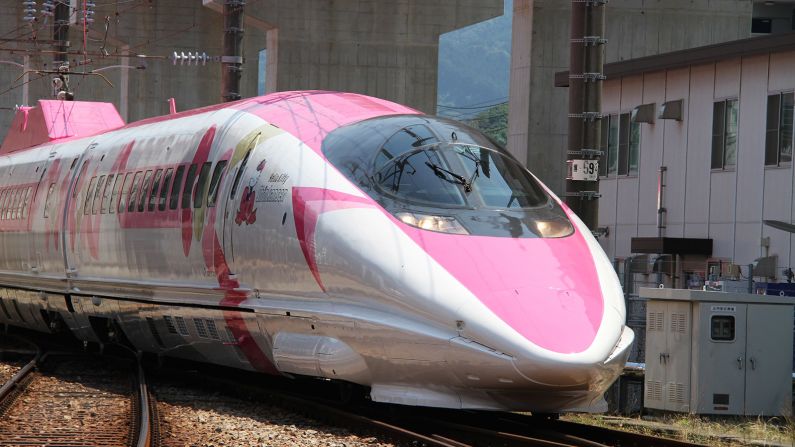
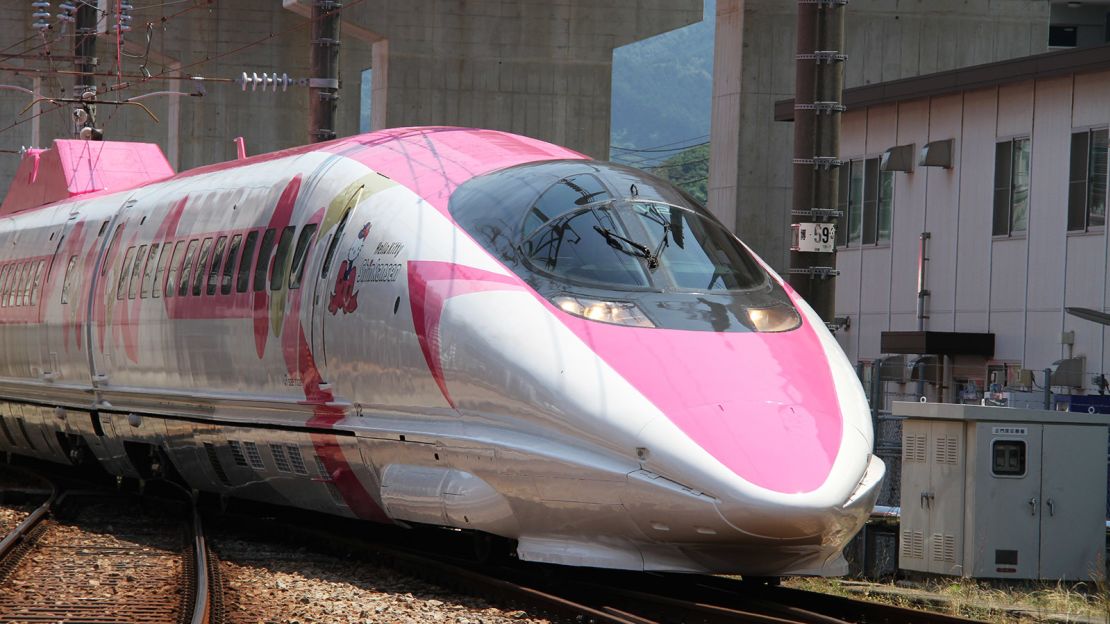
<strong>Hello Kitty:</strong> Possibly the most Japanese thing ever created -- a Hello Kitty-themed bullet train.
<strong>Fuji drive by:</strong> And one of the most Japanese scenes ever created -- a bullet train whizzing by Mount Fuji.
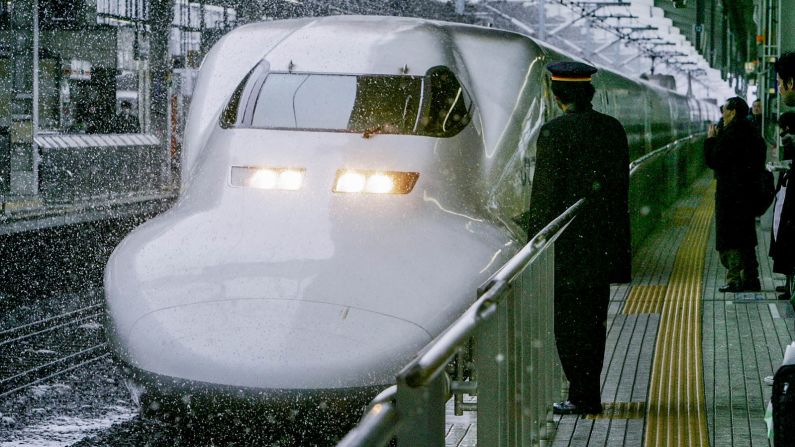
<strong>In all kinds of weather: </strong>In creating the bullet train, Japan's engineers needed to build a rail system that could cope with the county's climatic extremes.
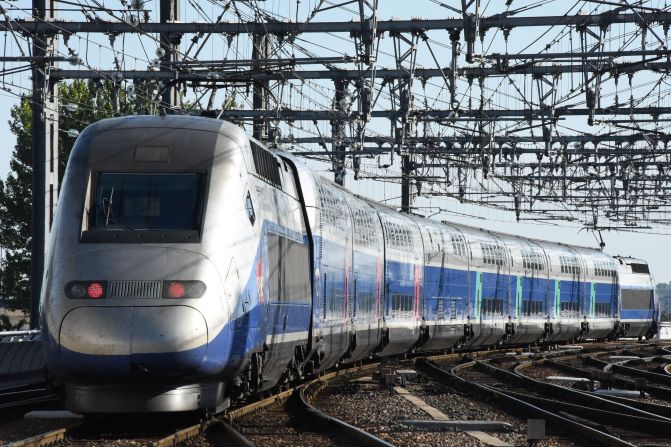
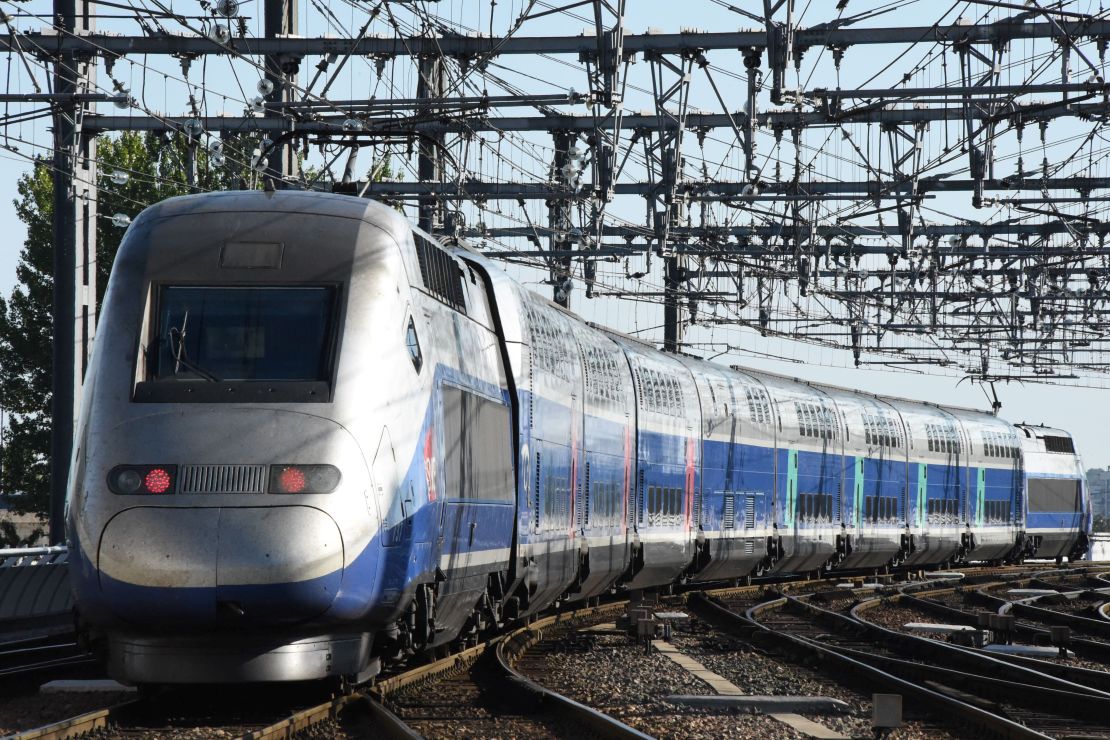
<strong>TGV: </strong>France's answer to the Bullet Train, the Train à Grand Vitesse, began operating between Paris and Lyon in 1981. Today's TGV trains typically run at about 200 mph.
<strong>China's rail expansion:</strong> China has now eclipsed the rest of the world when it comes to high speed rail. The country has 18,000 miles of track capable of carrying fast trains to all corners.
<strong>ALFA-X:</strong> The next generation of bullet trains, known as ALFA-X, is currently being tested at speeds of almost 250 mph (400 kph), although the service maximum will be "only" 225 mph.
<strong>Fast train: </strong>Japan's distinctive Shinkansen "bullet trains" have been plying the country's high-speed railways since 1964.
<strong>New age:</strong> The arrival of the bullet trains, coupled with the Tokyo OIympics of 1964 helped signal the arrival of modern Japan after the country's defeat in World War II.
JAPAN’S HIGH-SPEED RAIL REVOLUTION

1 of 11PrevNext

The next generation of bullet trains, known as ALFA-X, is currently being tested at speeds of almost 250 mph (400 kph), although the service maximum will be “only” 225 mph.

The defining features of these and other recent Shinkansen trains are their extraordinarily long noses, designed not to improve their aerodynamics, but primarily to eliminate sonic booms caused by the “piston effect” of trains entering tunnels and forcing compression waves out of the other end at supersonic speeds.

This is a particular problem in densely populated urban areas, where noise from Shinkansen lines has long been a source of complaints.

The experimental ALFA-X train also features new safety technology designed to cut down on vibration and noise and reduce the likelihood of derailments in major earthquakes.

More than 10 billion passengers have now been carried in speed and comfort by the trains, the predictability of the operation making high-speed travel seem routine and largely taken for granted.

High-speed rails around the world

Two great Japanese inventions, high speed trains and Hello Kitty, combined.

Two great Japanese inventions, high speed trains and Hello Kitty, combined.Courtesy West Japan Railway/Sanrio Co. Ltd.

In 2022, more than 295 million people rode on Shinkansen trains around Japan.

Little wonder then that many other countries have followed Japan’s example and built new high-speed railroads over the last four decades.

Perhaps the best-known of these is France, which has been operating its Train à Grand Vitesse (TGV) between Paris and Lyon since 1981.

Like Japan, France has successfully exported the technology to other countries, including Europe’s longest high-speed network in Spain, as well as Belgium, South Korea, the United Kingdom and Africa’s first high-speed railroad in Morocco.

France’s TGV network has been phenomenally successful, slashing journey times over long distances between the country’s big cities, creating additional capacity and making high-speed travel accessible and affordable, even mundane for regular commuters.

A picture taken on July 2, 2017 shows the first official train of the new TGV high speed train line linking Paris to Bordeaux in 2h04 leaving the Bordeaux-Saint-Jean train station in Bordeaux, southwestern France. / AFP PHOTO / MEHDI FEDOUACH        (Photo credit should read MEHDI FEDOUACH/AFP via Getty Images)

A picture taken on July 2, 2017 shows the first official train of the new TGV high speed train line linking Paris to Bordeaux.Mehdi Fedouach/AFP/Getty Images

Italy, Germany, the Netherlands, Taiwan, Turkey and Saudi Arabia all now operate trains on dedicated lines linking their major cities, competing directly with airlines on domestic and international routes.

In the UK, high-speed Eurostar trains run from London to Paris, Brussels and Amsterdam, but “High Speed 2,” a second route running north from London has been mired in controversy. What was once billed as a landmark mega-project to power an interconnected Britain into the oncoming century has now been reduced to a 140-mile link that will barely improve on existing services.

For the moment, the closest equivalent to the bullet train for British passengers are new Hitachi-built “Intercity Express Trains” using technology derived from their Japanese cousins, although these only run at a maximum of 125 mph.

Meanwhile, India and Thailand are planning extensive high-speed rail networks of their own.

China’s railway rise

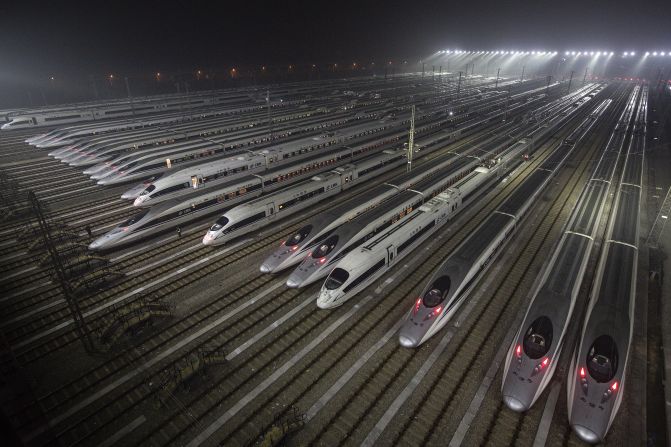
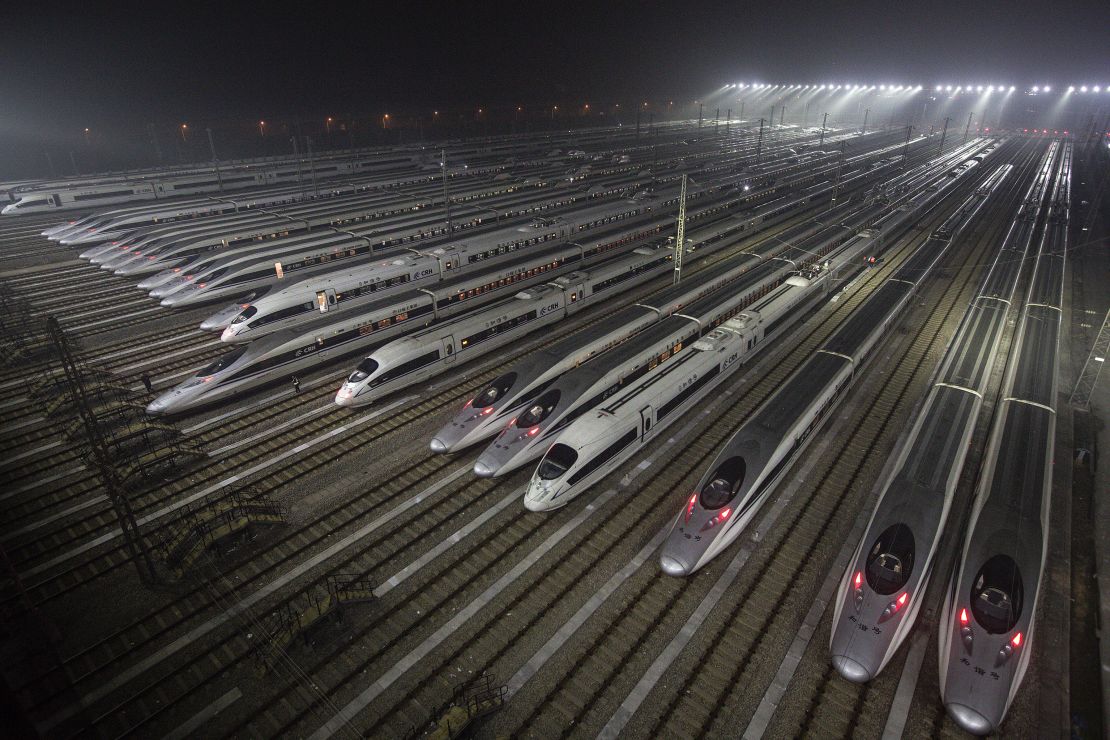
WUHAN, CHINA - JANUARY 20:  The Hundreds of high-speed trains at a maintenance base wait to set out on January 20th, 2018 in Wuhan, Hubei province, China.  The peak of Spring Festival Peak will be from January 21th to March 1.  (Photo by Wang He/Getty Images)

Hundreds of high-speed trains at a maintenance base wait to set out on January 20th, 2018 in Wuhan, China.Wang He/Getty Images

In recent years, it’s China that has eclipsed the rest of the world, using its economic might to create the world’s longest high-speed railroad network.

According to the country’s national railway operator, the total length stands close to 28,000 miles as of the end of 2023.

More than just a mode of transportation, these lines provide fast links across this vast country, stimulating economic development and cementing political and social harmonization.

Using technology initially harvested from Japan and Western Europe, and subsequently developed by its increasingly sophisticated railroad industry, China has quickly made itself a leading player in high-speed rail.

This looks set to continue as it develops magnetically levitating (Maglev) trains capable of running at almost 400 mph.

Japan's experimental ALFA-X train.

Japan’s experimental ALFA-X train. JR EAST

Japan has had its own experimental Maglev line since the 1970s and is constructing a 178-mile line between Tokyo and Nagoya.

What do you think?Join 26 others in the comments

View Comments

Due to open in 2034, it will eventually extend to Osaka, cutting the journey time to the latter to just 67 minutes.

“The Shinkansen is clearly much more than a means of transportation,” says British academic Christopher P. Hood, author of “Shinkansen: From Bullet Train to Symbol of Modern Japan.”

“It was the most potent symbol of Japan’s postwar reconstruction and emerging industrial might and as it continues to evolve is likely to be so for many years to come.”

Although the iconic blue and white 0-Series trains of 1964 are long since retired, they still form many people’s image of what a bullet train looks like.

Their remarkable descendants are an indispensable part of the transport infrastructure in Japan and many other countries around the world and, as environmental concerns make people think twice about flying, they could be about to experience a further resurgence, prompting a new golden age for the railroad.

Word-Built World: senescent

An Old Man in an Armchair, 1650s Art: Probably by Rembrandt

A.Word.A.Daywith Anu Garg

senescent

PRONUNCIATION:

(si-NES-uhnt) 

MEANING:

adjective:
1. Growing old; aging.
2. Deteriorating or decaying with the passage of time.

ETYMOLOGY:

From Latin senescere (to grow old), from senex (old). Ultimately from the Indo-European root sen- (old), which is also the ancestor of senior, senate, senile, Spanish señor, sir, sire, and surly (which is an alteration of sirly, as in sir-ly). Earliest documented use: 1656.

Tarot Card for October 23: Princess of Wands

The Princess of Wands

This is a powerful and hopeful card, promising energy, action and progress. One of the very important inner aspects of the Princess of Wands is her function in allowing us to leave old fears behind.The Princess of Wands represents the freedom we gain when we release old restrictions and habits, in order to forge forward into a future which is shaped more by ourselves, and less by outdated environments, and outmoded concepts.We often find, when we examine our motives and attitudes thoroughly, that somehow we have collected lots of emotional ‘garbage’ along the way. Sometimes we do not even realise this exists; other times we know these problems exist, but rarely take the time to examine how they affect us, what they deny us, how we limit ourselves by failing to clean them out.So on a day ruled by Princess of Wands, we need to select one of our fears or habits, and really subject it to careful scrutiny. Take a good hard look at what this particular fear gives you in terms of support, and what it gives you in terms of damage. Try to isolate where it came from. And try not to run away from doing either of these things.Very often you will find that the fear or habit is rooted far in the past. You may well discover that it no longer has any relevance; that it takes away your freedom to choose your actions in a given area in your life.Once you’ve isolated your fear or habit, use the affirmation for all you’re worth. Make a mental image which encapsulates your fear. Make your image tiny. Visualise yourself throwing away that fear. And try to know yourself to be free of it.Affirmation: “I release my fears and allow myself to be filled with confidence and self trust.”

Geshe Kelsang Gyatso on inner peace

“When we understand clearly that inner peace is the real source of happiness, and how, through spiritual practice, we can experience deeper levels of inner peace, we develop tremendous enthusiasm to practice.”

Geshe Kelsang Gyatso (b.1931)
Tibetan Buddhist Monk
AN OPPORTUNITY FOR DAILY REFLECTION BROUGHT TO YOU BY THE SCHOOL OF PRACTICAL PHILOSOPHY

Episode 10: The Heist

The Lever • Oct 22, 2024 • Master Plan podcast Unleashed by the Citizens United ruling, the master planners launch a three-part heist to crack the vault protecting democracy itself. First, the schemers take out the security cameras monitoring dark money. Then, they disarm the last campaign finance cops on the beat. Finally, they pull off a getaway so prosecutors can’t charge them as they run off with the loot.  Get Master Plan episodes early and ad-free by becoming a paid subscriber. Enjoy bonus episodes, exclusive content (https://www.levernews.com/master-plan…) , and support this show. Visit masterplanpodcast.com (http://masterplanpodcast.com)

St. Matthew Passion, Part III

Release – Topic • Jan 8, 2016 Provided to YouTube by NAXOS of America St. Matthew Passion, BWV 244: Part III: Chorale: O Haupt voll Blut und Wunden · Claudia Couwenbergh Bach: Favourite Arias and Choruses ℗ 2010 Naxos Released on: 2010-05-25 Artist: Claudia Couwenbergh Artist: Marianne Beate Kielland Artist: Hanno Muller-Brachmann Choir: Dresden Chamber Choir Conductor: Helmut Muller-Bruhl Orchestra: Cologne Chamber Orchestra Composer: Johann Sebastian Bach Auto-generated by YouTube.

Book: ; “Vulture Capitalism: Corporate Crimes, Backdoor Bailouts, and the Death of Freedom”

Vulture Capitalism: Corporate Crimes, Backdoor Bailouts, and the Death of Freedom

Grace Blakeley

In the vein of The Shock Doctrine and Evil Geniuses, this timely manifesto from an acclaimed journalist illustrates how corporate and political elites have used planned capitalism to advance their own interests at the expense of the rest of us—and how we can take back our economy for all.

It’s easy to look at the state of the world around us and feel hopeless. We live in an era marked by war, climate crisis, political polarization, and acute inequality—and yet many of us feel powerless to do anything about these profound issues. We’ve been assured that unfettered capitalism is necessary to ensure our freedom and prosperity, even as we see its corrosive effects proliferating daily. Why, in our age of unchecked corporate power, are most of us living paycheck to paycheck? When the economy falters, why do governments bail out corporations and shareholders but leave everyday people in the dust?

Now, economic and political journalist and progressive star on the rise Grace Blakeley exposes the corrupt system that is failing all around us, pulling back the curtain on the free market mythology we have been sold, and showing how, as corporate interests have taken hold, governments have historically been shifting away from competition and democracy and towards monopoly and oligarchy.

Tracing over a century of neoliberal planning and backdoor bailouts, Blakeley takes us on a deeply reported tour of the corporate crimes, political maneuvering, and economic manipulation that elites have used to enshrine a global system of “vulture capitalism”—planned capitalist economies that benefit corporations and the uber-wealthy at the expense of the rest of us—at every level, from states to empires. Blakeley exposes the cracks already emerging within capitalism, lighting a path forward for how we can democratize our economy, not just our politics, to ensure true freedom for all.

About the author

Profile Image for Grace Blakeley.

Grace Blakeley

Grace Blakeley is a British economics commentator and author.

(Godoreads.com)

“Universal Convergence”

“Universal Convergence” (2024) – Gwyllm Llwydd

I have been working on Mandalas in multiple iterations for many decades.

“Universal Convergence” took 10 months, infinite hours and lots, lots of acrylic pens. It is on one hand Pointillism, but on a scale I haven’t worked before.

Every bit of colour that you see in this photo is a point. Not brushed, or airbrushed. Dots from here to infinity.

Mary thinks me mad when I go down this path, and truly, I have no way of explaining what is happening when I do these, but as I work, great inner vistas open up, and I wander, deeply wander.

Soon to be a print, if interested.

Bright Blessings,

G