
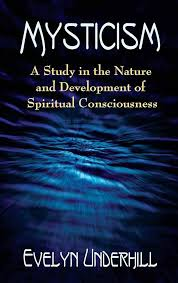
(Image from Amazon.com)
St. Teresa’s mystic life was governed by voices: her active career as a foundress was much guided by them. They advised her in small things as in great. Often they interfered with her plans, ran counter to her personal judgment, forbade a foundation on which she was set, or commanded one which appeared imprudent or impossible. They concerned themselves with journeys, with the purchase of houses; they warned her of coming events. 583 As her mystical life matured, Teresa seems to have learned to discriminate those locutions on which action should properly be based. She seldom resisted them, though it constantly happened that the action on which they insisted seemed the height of folly: and though they frequently involved her in hardships and difficulties, she never had cause to regret this reliance upon decrees which she regarded as coming direct from God, and which certainly did emanate from a life greater than her own. So too St. Hildegarde, when she prefaced her prophecies and denunciations by “Thus saith the Living Light” was not making use of a poetic metaphor. She lived under the direction of a Power which was precise and articulate in its communications, and at her peril disobeyed its commands.
Link to: Evelyn Underhill: Mysticism: A Study in Nature and Development of Spiritual Consciousness
(Image from themarginalian.org)
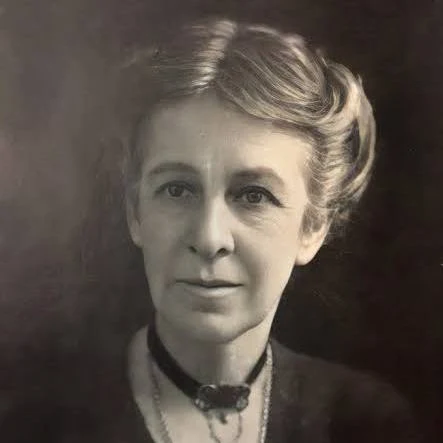
Evelyn Underhill (December 6, 1875 – June 15, 1941) was an English Anglo-Catholic writer and pacifist known for her numerous works on religion and spiritual practice, in particular Christian mysticism. Her best-known work is Mysticism, published in 1911. Wikipedia