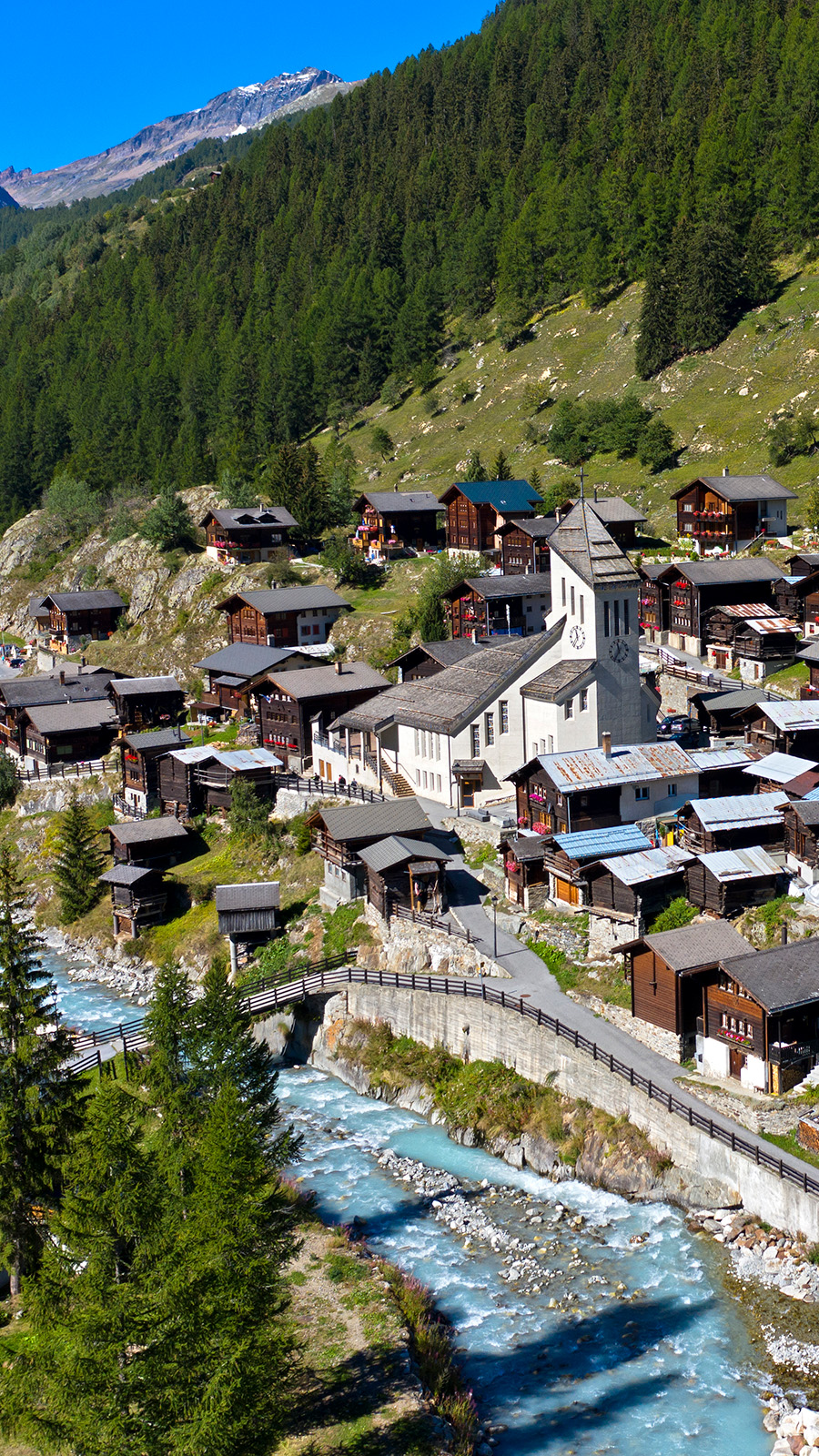
The village of Blatten has stood for centuries, then in seconds it was gone.
Scientists monitoring the Nesthorn mountain above the village in recent weeks saw that parts of it had begun to crumble, and fall on to the Birch glacier, putting enormous pressure on the ice.
Small rock and ice slides had begun to come down, and the village’s 300 residents, and even their livestock, were evacuated for their own safety. But everyone hoped the unstable rock would disperse incrementally over a few weeks, and that after that everyone could go home.
On Wednesday afternoon, that hope was dashed.
Nine million cubic metres of rock and ice came crashing down into the valley
It was such a force that it registered on every geological monitoring station in Switzerland
Barbara and Otto Jaggi, in the neighbouring village of Kippel, were getting their chimney fixed. The repairman was downstairs checking the system, when suddenly Barbara said: “There was loud banging, and the lights went out.”
At first, she and Otto thought the repairman had broken something, but then the banging, and now roaring, got louder, and the repairman came running up the stairs to them shouting “the mountain is coming”.
Kippel is over 4 km (2.5 miles) from Blatten. It and the entire valley were soon cloaked in dust. Blatten itself was completely destroyed; its homes, its church, its cosy Edelweiss hotel smashed to rubble.
Geologists had been monitoring the situation; that’s why Blatten was evacuated. But no-one, not even the experts, expected such huge violence.
New Thinking Jun 13, 2025 This video is a special release from the original Thinking Allowed series that ran on public television from 1986 until 2002. It was recorded in about 1987. It will remain public for only one week. Georg Feuerstein was a German Indologist specializing in the philosophy and practice of Yoga. Feuerstein authored over 30 books on mysticism, Yoga, Tantra, and Hinduism. He translated, among other traditional texts, the Yoga Sutras of Patanjali and the Bhagavad Gita. Here we discuss his book Structures of Consciousness: The Genius of Jean Gebser: An Introduction and Critique. Now you can watch all of the programs from the original Thinking Allowed Video Collection, hosted by Jeffrey Mishlove. Subscribe to the new Streaming Channel (https://thinkingallowed.vhx.tv/) and watch more than 350 programs now, with more, previously unreleased titles added weekly. Free month of the classic Thinking Allowed streaming channel for New Thinking Allowed subscribers only. Use code THINKFREELY.
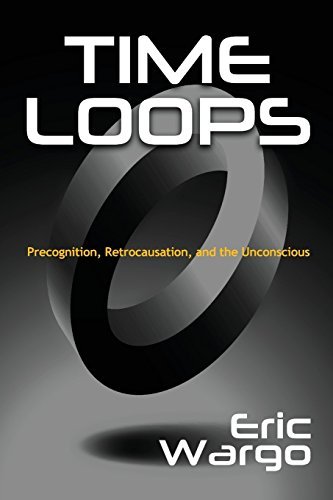
New Thinking Jun 12, 2025 Eric Wargo, PhD, an anthropologist, is author of Time Loops, Precognitive Dreamwork and the Long Self: Interpreting Messages From Your Future, From Nowhere: Artists, Writers, and the Precognitive Imagination, Becoming Timefaring: Time Travel & the Human Future, and most recently Where Was It Before the Dream? His website is https://www.thenightshirt.com/ In this interview he focuses on the creative works of Samuel Taylor Coleridge, Mary Shelley, J. R. R. Tolkien, and Franz Kafka. He suggests that their creative genius often stems from a precognitive anticipation of their own lives, and particularly how their individual works will impact themselves in later life. 00:00:00 Introduction 00:02:57 Reductionist literary criticism 00:09:09 Time loops in literature 00:20:16 Samuel Taylor Coleridge’s Kubla Khan 00:27:23 Mary Shelley’s Frankenstein 00:35:45 J. R. Tolkien’s Hobbit 00:44:02 Franz Kafka’s Metamorphosis and Trial 00:58:16 Einstein’s debate with Henri Bergson 01:03:05 The story of Caedmon 01:06:45 Conclusion New Thinking Allowed host, Jeffrey Mishlove, PhD, is author of The Roots of Consciousness, Psi Development Systems, and The PK Man. Between 1986 and 2002 he hosted and co-produced the original Thinking Allowed public television series. He is the recipient of the only doctoral diploma in “parapsychology” ever awarded by an accredited university (University of California, Berkeley, 1980). He is also the Grand Prize winner of the 2021 Bigelow Institute essay competition regarding the best evidence for survival of human consciousness after permanent bodily death. He currently serves as Co-Director of Parapsychology Education at the California Institute for Human Science. (Recorded on May 3, 2025)
Time Is Not What You Think It Is. Neither Are You.Welcome to a world where participants in psychology experiments respond to pictures they haven’t seen yet … where physicists influence the past behavior of a light beam by measuring its photons now … and where dreamers and writers literally remember their future. This landmark study explores the principles that allow the future to affect the present, and the present to affect the past, without causing paradox. It also deconstructs the powerful taboos that, for centuries, have kept mainstream science from taking phenomena like retrocausation and precognition seriously. We are four-dimensional creatures, and sometimes we are even caught in time loops—self-fulfilling prophecies where effects become their own causes.
Abrahamic religions worship a single God, which in most interpretations of Yahweh, God the Father, and Allah, is not believed to have a physical body. Though often referred to with gendered pronouns, many Abrahamic denominations use “divine gender” primarily as an analogy to better relate to the concept of God, with no sexual connotation. In Christian traditions with the concept of the Trinity, Jesus, who is male, is believed to be the physical manifestation of the pre-existentGod the Son.
Although the gender of God in Judaism is referred to in the Tanakh with masculine imagery and grammatical forms, traditional Jewish philosophy does not attribute the concept of sex to God.[a] At times, Jewish aggadic literature and Jewish mysticism do treat God as gendered. The ways in which God is gendered have also changed across time, with some modern Jewish thinkers viewing God as outside of the gender binary. Guillaume Postel (16th century), Michelangelo Lanci [it] (19th century), and Mark Sameth (21st century) theorize that the four letters of the personal name of God, YHWH, are a cryptogram which the priests of ancient Israel would have read in reverse as huhi, “heshe”, signifying a dual-gendered deity.[3][4][5][6]
God the Son (Jesus Christ), having been incarnated as a human man, is masculine. Classical western philosophy believes that God lacks a literal sex as it would be impossible for God to have a body (a prerequisite for sex).[9][10] However, Classical western philosophy states that God should be referred to (in most contexts) as masculine by analogy; the reason being God’s relationship with the world as begetter of the world and revelation (i.e. analogous to an active instead of receptive role in sexual intercourse).[11] Others interpret God as neither male nor female.[12][13]
The Catechism of the Catholic Church, Book 239, states that God is called “Father”, while his love for man may also be depicted as motherhood. However, God ultimately transcends the human concept of sex, and “is neither man nor woman: He is God.”[14][15]
In contrast to most Christian denominations, The Church of Jesus Christ of Latter-day Saints (LDS Church) teaches that God the Father, God the Son, and the Holy Spirit are physically distinct while being one in purpose.[16][17] LDS Church members also believe that God the Father is married to a divine woman, referred to as “Heavenly Mother.”[18] Humans are considered to be spirit children of these heavenly parents.[19]
The New Testament refers to the Holy Spirit as masculine in a number of places, where the masculine Greek word “Paraclete” occurs, for “Comforter”, most clearly in the Gospel of John, chapters 14 to 16.[20] These texts were particularly significant when Christians were debating whether the New Testament teaches that the Holy Spirit is a fully divine person, or some kind of “force.” All major English Bible translations have retained the masculine pronoun for the Spirit, as in John 16:13, although it has been noted that in the original Greek, in some parts of John’s Gospel, the neuter Greek word pneuma is also used for the Spirit.[21]
Church of Jesus Christ of Latter Day Saints
The Church of Jesus Christ of Latter Day Saints (LDS) doctrine teaches that God, Jesus, and the Holy Spirit are three distinct and separate beings. In LDS teachings, God has a physical body, and thus is not only identified as being a man, but is physically male.[22] The same is for Jesus, but not for the Holy Spirit, which has a spiritual form.[22] God is also married to Heavenly Mother, who also has a physical body.[23]
Islam teaches that God (Allah) is beyond any comparison, transcendent, and thus God is beyond any gender attributes.[24] Arabic only possesses gendered pronouns (“he” and “she”) but does not have gender neutral pronouns (“it”), and “he” is typically used in cases where the subject’s gender is indeterminate. Thus, Allah is typically referred to as “He”, despite not having any gender attributes.[25]
The Baháʼí Faith
In the Baháʼí Faith, Baha’u’llah uses the Mother as an attribute of God: “He Who is well-grounded in all knowledge, He Who is the Mother, the Soul, the Secret, and the Essence”.[26] Baha’u’llah further writes that “Every single letter proceeding out of the mouth of God is indeed a Mother Letter, and every word uttered by Him Who is the Well Spring of Divine Revelation is a Mother Word, and His Tablet a Mother Tablet.”[27] The Primal Will of God is personified as the maid of heaven in the Baháʼí writings.
In Hinduism, there are diverse approaches to conceptualizing God and gender. Many Hindus focus upon impersonal Absolute (Brahman) which is genderless. Other Hindu traditions conceive God as androgynous (both female and male), alternatively as either male or female, while cherishing gender henotheism, that is without denying the existence of other Gods in either gender.[28][29]
The Shakti tradition conceives of God as a female. Other Bhakti traditions of Hinduism have both male and female gods. In ancient and medieval Indian mythology, each masculine deva of the Hindu pantheon is partnered with a feminine who is often a devi.[30]
The oldest of the Hindu scriptures is the Rigveda (2nd millennium BC). The first word of the Rigveda is the name Agni, the god of fire, to whom many of the vedic hymns are addressed, along with Indra the warrior. Agni and Indra are both male divinities.
The Rigveda refers to a creator (Hiranyagarbha or Prajapati), distinct from Agni and Indra. This creator is identified with Brahma (not to be confused with Brahman, the first cause), born of Vishnu’s navel, in later scriptures. Hiranyagarbha and Prajapati are male divinities, as is Brahma (who has a female consort, Saraswati).
Rigveda
There are many other gods in the Rigveda.[31] They are “not simple forces of nature,” and possess “complex character and their own mythology.”[31] They include goddesses of water (Āpaḥ) and dawn (Uṣas), and the complementary pairing of Father Heaven and Mother Earth.[31] However, they are all “subservient to the abstract, but active positive ‘force of truth’ [Ṛta]…which pervades the universe and all actions of the gods and humans.”[31] This force is sometimes mediated or represented by moral gods (the Āditya, e.g. Varuṇa) or even Indra.[31] The Āditya are male and Ṛta is personified as masculine in later scriptures (see also Dharma).
In some Hindu philosophical traditions, God is depersonalized as the quality-less Nirguna Brahman, the fundamental life force of the universe. However, theism itself is central to Hinduism.[32]
While many Hindus focus upon God in the neutral form,[citation needed]Brahman being of neuter gender grammatically, there are prominent Hindu traditions that conceive God as female, even as the source of the male form of God, such as the Shakta denomination. Hinduism, especially of the Samkhya school, views the creation of the cosmos as the result of the play of two radically distinct principles: the feminine matter (Prakṛti) and the masculine spirit (Purusha). Prakṛti is the primordial matter which is present before the cosmos becomes manifest. Prakṛti is seen as being “the power of nature, both animate and inanimate. As such, nature is seen as dynamic energy” (Rae, 1994). Prakriti is originally passive, immobile and pure potentiality by nature . Only through her contact with the kinetic Purusha she unfolds into the diverse forms before us. The idea of Prakṛti/Purusha leads to the concept of the Divine Consort. Almost every deva of the Hindu pantheon has a feminine consort (devi).[30]
The scripture of Sikhism is the Guru Granth Sahib. Printed as a heading for the Guru Granth, and for each of its major divisions, is the Mul Mantra, a short summary description of God, in Punjabi. Sikh tradition has it that this was originally composed by Guru Nanak (1469–1539), the founder of Sikhism.Punjabi: ੴ ਸਤਿ ਨਾਮੁ ਕਰਤਾ ਪੁਰਖੁ ਨਿਰਭਉ ਨਿਰਵੈਰੁ ਅਕਾਲ ਮੂਰਤਿ ਅਜੂਨੀ ਸੈਭੰ ਗੁਰ ਪ੍ਰਸਾਦਿ ॥ISO 15919: Ika ōaṅkāra sati nāmu karatā purakhu nirabha’u niravairu akāla mūrati ajūnī saibhaṃ gura prasādi.English: One Universal God, The Name Is Truth, The Creator, Fearless, Without Hatred, Image Of The Timeless One, Beyond Birth, Self-Existent, By Guru’s Grace.According to Sikhi, God has “No” Gender. Mool Mantar describes God as being “Ajuni” (lit. not in any incarnations) which implies that God is not bound to any physical forms. This concludes: the All-pervading Lord is Gender-less.[33]
Sunn mandal ik Yogi baiseh. Naar nuh purakhu kahahu kou kaiseh. Tribhavan joth raheh liv laaee. Suri nar naath sacheh saranaaee
The Yogi, the Primal Lord, sits in the Realm of Absolute Stillness (state free of mind’s wanderings or Phurne). (Since God) is neither male nor female; how can anyone describe Him? The three worlds center their attention on His Light. The godly beings and the Yogic masters seek the Sanctuary of this True Lord.
— SGGS. Ang 685
However, the Guru Granth Sahib consistently refers to God as “He” and “Father” (with some exceptions), typically because the Guru Granth Sahib was written in north Indian Indo-Aryan languages (mixture of Punjabi and Sant Bhasha, Sanskrit with influences of Persian) which have no neutral gender. English translations of the teachings may eliminate any gender specifications. From further insights into the Sikh philosophy, it can be deduced that God is, sometimes, referred to as the Husband to the Soul-brides, in order to make a patriarchal society understand what the relationship with God is like. Also, God is considered to be the Father, Mother, and Companion.[34]
Other
Unificationism
Unificationism views God, the Creator, as having dual characteristics of masculinity and femininity. Since an artist, like God, can only express that which is within the boundaries of their own nature, and according to Genesis 1:27, “So God created mankind in his own image, male and female he created them”, indicating that God’s image includes both male and female attributes.
Due to the more active role of masculinity, mankind typically portrays God as male, but the more receptive or supportive and nurturing role within God’s characteristics is less emphasized or even neglected or ignored in writings and in art.[35]
Animist religions
Animist religions are common among oral societies, many of which still exist in the 21st century. Typically, natural forces and shaman spiritual guides feature in these religions, rather than fully-fledged personal divinities with established personalities. It is in polytheism that such deities are found. Animist religions often, but not always, attribute gender to spirits considered to permeate the world and its events. Polytheistic religions, however, almost always attribute gender to their gods, though a few notable divinities are associated with various forms of epicene characteristics—gods that manifest alternatingly as male and female, gods with one male and one female “face”, and gods whose most distinctive characteristic is their unknown gender.[36]
Feminist spirituality
In her essay “Why Women Need the Goddess”, Carol P. Christ argues the notion of there having been an ancient religion of a supreme goddess.[37] The essay was first presented in the spring of 1978 as a keynote address for the “Great Goddess Re-emerging” conference at the University of California, Santa Cruz. Christ also co-edited the classic feminist religion anthologies Weaving the Visions: New Patterns in Feminist Spirituality (1989) and Womanspirit Rising (1979/1989), the latter of which include her 1978 essay.
Medal of Elagabalus, Louvre Museum. Photo: PHGCOM / Wikimedia
A.Word.A.Daywith Anu Garg
heliogabalus
PRONUNCIATION:
(hee-lee-uh/oh-GAB-uh-luhs)
MEANING:
noun: A wildly extravagant, foolish, and self-indulgent person.
ETYMOLOGY:
After the Roman emperor Heliogabalus/Elagabalus (CE 204-222) who ruled 218-222 CE. Earliest documented use: 1589.
NOTES:
When it comes to imperial excess, Heliogabalus didn’t just raise the bar. He had it gilded, perfumed, and carried in procession. Crowned at 14 and assassinated by 18, he crammed a lifetime’s worth of scandal into four turbulent years. He married three women (and one man), held elaborate feasts where guests dined on fake food, and reportedly released wild animals into banquet halls, for ambiance, of course.
Fake hair? Yes. Makeup? Certainly. Dignity? Not so much.
The historian B.G. Niebuhr said that Heliogabalus had “nothing at all to make up for his vices, which are of such a kind that it is too disgusting even to allude to them.” And historian Adrian Goldsworthy was more blunt: “He was an incompetent, probably the least able emperor Rome ever had.”
Fifteen years ago, smack in the middle of Barack Obama‘s first term, amid the rapid rise of social media and a slow recovery from the Great Recession, a professor at the University of Connecticut issued a stark warning: the United States was heading into a decade of growing political instability.
It sounded somewhat contrarian at the time. The global economy was clawing back from the depths of the financial crisis, and the American political order still seemed anchored in post-Cold War optimism — though cracks were beginning to emerge, as evidenced by the Tea Party uprising. But Peter Turchin, an ecologist-turned-historian, had the data.
“Quantitative historical analysis reveals that complex human societies are affected by recurrent—and predictable—waves of political instability,” Turchin wrote in the journal Nature in 2010, forecasting a spike in unrest around 2020, driven by economic inequality, “elite overproduction” and rising public debt.
A protestor holds up a Mexican flag as burning cars line the street on June 08, 2025 in Los Angeles, California. Tensions in the city remain high after the Trump administration called in the National… More PHOTO BY MARIO TAMA/GETTY IMAGES
Now, with the nation consumed by polarization in the early months of a second Donald Trump presidency, institutional mistrust at all-time highs, and deepening political conflict, Turchin’s prediction appears to have landed with uncanny accuracy.
In the wake of escalating protests and the deployment of National Guard troops to Los Angeles under President Trump’s immigration crackdown, Turchin spoke with Newsweek about the latest escalation of political turbulence in the United States—and the deeper structural forces he believes have been driving the country toward systemic crisis for more than a decade.
Predicting Chaos
In his 2010 analysis published by Nature, Turchin identified several warning signs in the domestic electorate: stagnating wages, a growing wealth gap, a surplus of educated elites without corresponding elite jobs, and an accelerating fiscal deficit. All of these phenomena, he argued, had reached a turning point in the 1970s. “These seemingly disparate social indicators are actually related to each other dynamically,” he wrote at the time.
“Nearly every one of those indicators has intensified,” Turchin said in an interview with Newsweek, citing real wage stagnation, the effects of artificial intelligence on the professional class and increasingly unmanageable public finances.
Turchin’s prediction was based on a framework known as Structural-Demographic Theory (SDT), which models how historical forces—economic inequality, elite competition and state capacity—interact to drive cycles of political instability. These cycles have recurred across empires and republics, from ancient Rome to the Ottoman Empire.
Turchin’s forecast is based on a framework known as Structural-Demographic Theory (SDT), which models how historical forces—economic inequality, elite competition, and state capacity—interact to drive cycles of political instability. COURTESY PETER TURCHIN
“Structural-Demographic Theory enables us to analyze historical dynamics and apply that understanding to current trajectories,” Turchin said. “It’s not prophecy. It’s modeling feedback loops that repeat with alarming regularity.”
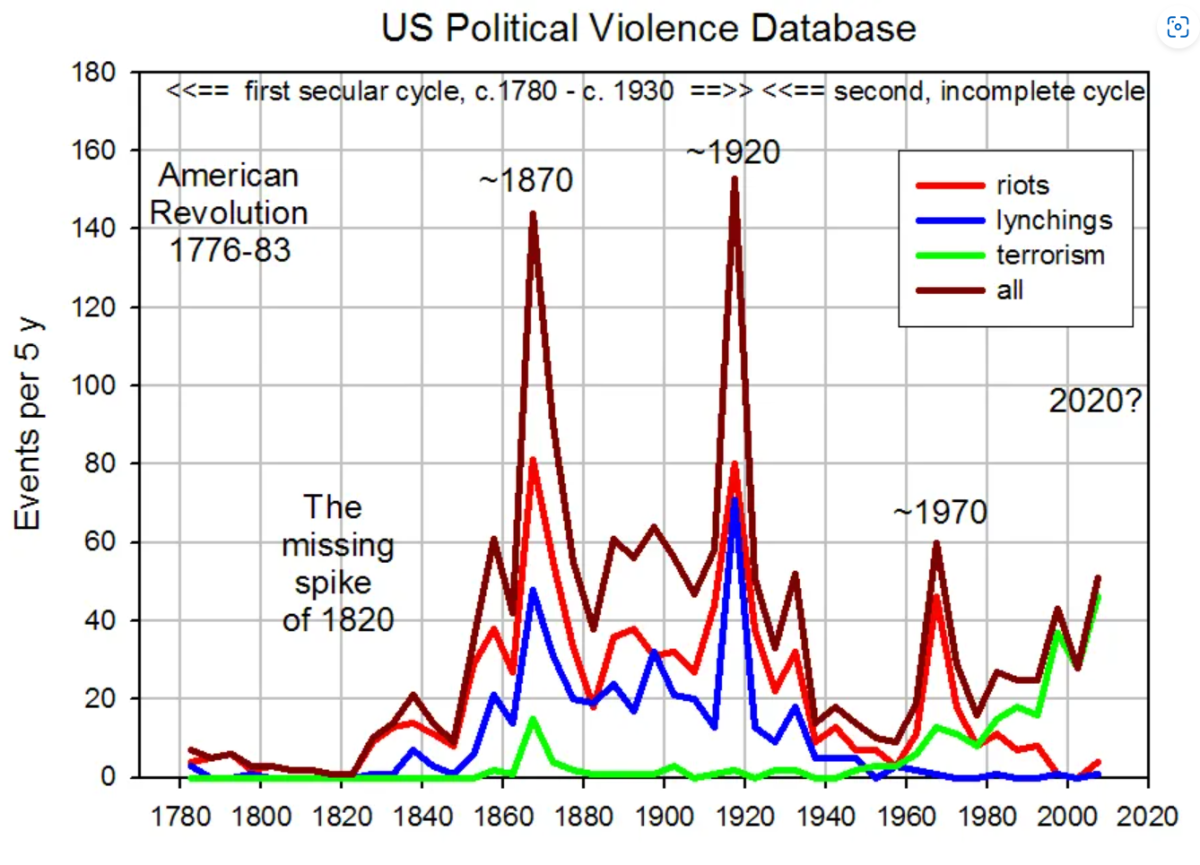
He argues that violence in the U.S. tends to repeat about every 50 years— pointing to spasms of unrest around 1870, 1920, 1970 and 2020. He links these periods to how generations tend to forget what came before. “After two generations, memories of upheaval fade, elites begin to reorganize systems in their favor, and the stress returns,” he said.
One of the clearest historical parallels to now, he notes, is the 1970s. That decade saw radical movements emerge from university campuses and middle-class enclaves not just in the U.S., but across the West. The far-left Weather Underground movement, which started as a campus organization at the University of Michigan, bombed government buildings and banks; the Red Army Faction in West Germany and Italy’s Red Brigades carried out kidnappings and assassinations. These weren’t movements of the dispossessed, but of the downwardly mobile—overeducated and politically alienated.
“There’s a real risk of that dynamic resurfacing,” Turchin said.
A ‘Knowledge Class’
Critics have sometimes questioned the deterministic tone of Turchin’s models. But he emphasizes that he does not predict exact events—only the risk factors and phases of systemic stress.
While many political analysts and historians point to Donald Trump’s 2016 election as the inflection point for the modern era of American political turmoil, Turchin had charted the warning signs years earlier — when Trump was known, above all, as the host of a popular NBC reality show.
President Donald Trump takes part in a signing ceremony after his inauguration on January 20, 2025 in the President’s Room at the U.S. Capitol in Washington, DC. MELINA MARA-POOL/GETTY IMAGES
“As you know, in 2010, based on historical patterns and quantitative indicators, I predicted a period of political instability in the United States beginning in the 2020s,” Turchin said to Newsweek. “The structural drivers behind this prediction were threefold: popular immiseration, elite overproduction, and a weakening state capacity.”
According to his model, Trump’s rise was not the cause of America’s political crisis but a symptom—emerging from a society already strained by widening inequality and elite saturation. In Turchin’s view, such figures often arise when a growing class of counter-elites—ambitious, credentialed individuals locked out of power—begin to challenge the status quo.
“Intraelite competition has increased even more, driven now mostly by the shrinking supply of positions for them,” he said. In 2025, he pointed to the impact of AI in the legal profession and recent government downsizing, such as the DOGE eliminating thousands of positions at USAID, as accelerants in this trend.
This theory was echoed by Wayne State University sociologist Jukka Savolainen, who argued in a recent op-ed in The Wall Street Journal that the U.S. is risking the creation of a radicalized “knowledge class”—overeducated, underemployed, and institutionally excluded.
“When societies generate more elite aspirants than there are roles to fill, competition for status intensifies,” Savolainen wrote. “Ambitious but frustrated people grow disillusioned and radicalized. Rather than integrate into institutions, they seek to undermine them.”
Peter Turchin forecast a spike in unrest around 2020, driven by economic inequality, elite overproduction, and rising public debt. COURTESY OF PETER TURCHIN
Savolainen warned that Trump-era policies—such as the dismantling of D.E.I. and academic research programs and cuts to public institutions—have the potential to accelerate the pattern, echoing the unrest of the 1970s. “President Trump’s policies could intensify this dynamic,” he noted.
“Many are trained in critique, moral reasoning, and systems thinking—the very profile of earlier generations of radicals.”
Structural Drivers
Turchin, who is now an emeritus professor at UConn, believes the American system entered what he calls a “revolutionary situation”—a historical phase in which the destabilizing conditions can no longer be absorbed by institutional buffers.
Reflecting on the last few years in a recent post on his Cliodynamica newsletter, he wrote that “history accelerated” after 2020. He and colleague Andrey Korotayev had tracked rising incidents of anti-government demonstrations and violent riots across Western democracies in the lead-up to that year. Their findings predicted a reversal of prior declines in unrest.
“And then history accelerated,” he wrote. “America was slammed by the pandemic, George Floyd, and a long summer of discontent.”
A police officer points a hand cannon at protesters who have been detained pending arrest on South Washington Street in Minneapolis, May 31, 2020, as protests continued following the death of George Floyd. AP PHOTO/JOHN MINCHILLO, FILE
While many saw Trump’s 2020 election loss and the January 6 Capitol riot that followed as its own turning point in that hectic period, Turchin warned that these events did not mark an end to the turbulence.
“Many commentators hastily concluded that things would now go back to normal. I disagreed,” he wrote.
“The structural drivers for instability—the wealth pump, popular immiseration, and elite overproduction/conflict—were still running hot,” Turchin continued. “America was in a ‘revolutionary situation,’ which could be resolved by either developing into a full-blown revolution, or by being defused by skillful actions of the governing elites. Well, now we know which way it went.”
These stressors, he argues, are not isolated. They are systemwide pressures building for years, playing out in feedback loops. “Unfortunately,” he told Newsweek, “all these trends are only gaining power.”
LOS ANGELES—Triumphantly planting the pole firmly into the ground, U.S. Marines reportedly raised the American flag outside a cell phone store Thursday after defeating a group of skateboarding teenagers. “Victory!” cried out 1st Lt. Eric Mullaney, who wiped the sweat and grime from his brow and gazed up at the poignant sight of the billowing Stars and Stripes as it flew outside the small but strategic city strip mall. “It was a daunting five-minute battle, but we held our ground. May freedom ring over this Cricket Wireless! Semper fi!” At press time, sources reported that one of the Marines had tragically fallen in the line of duty after tripping over an electric scooter.
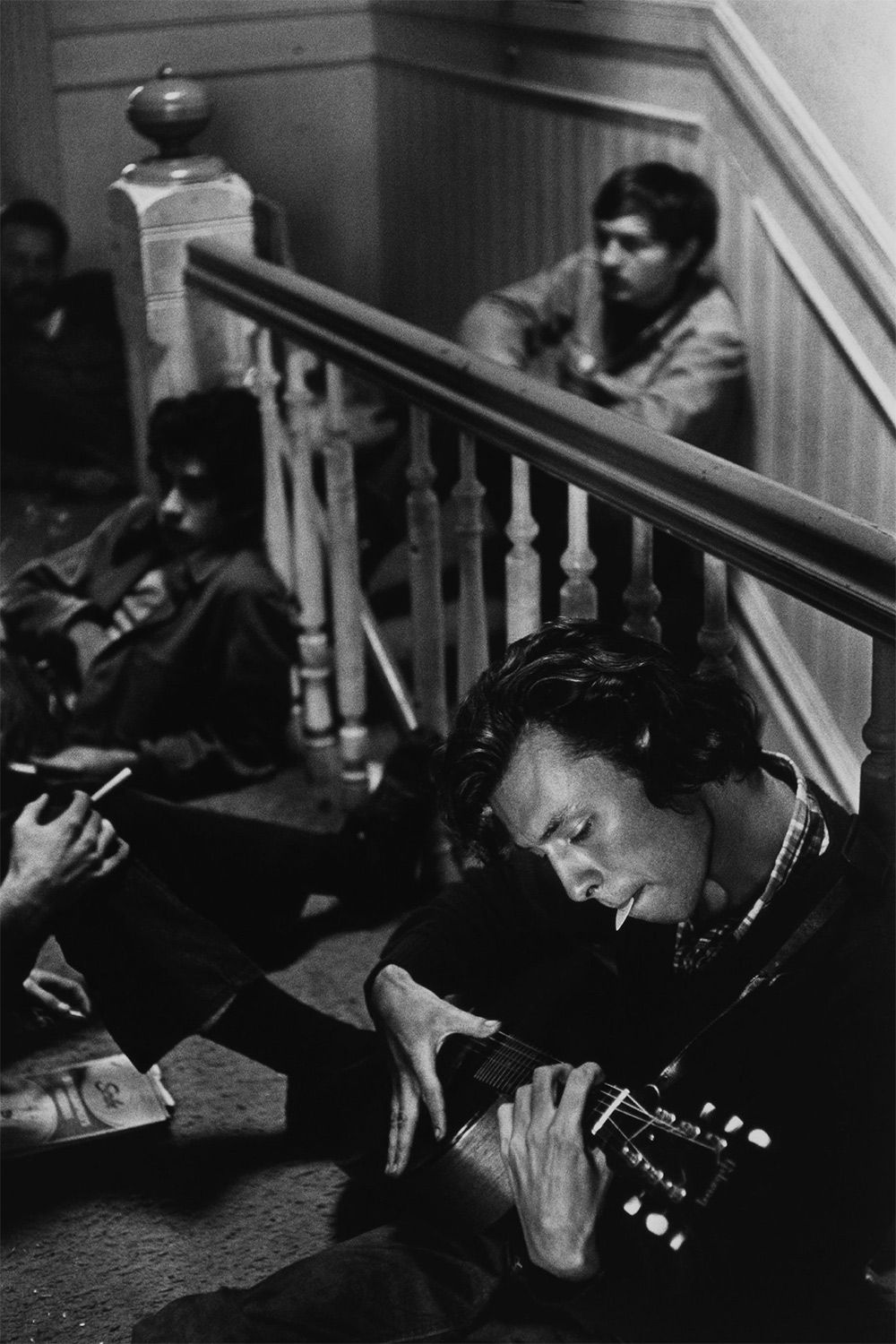
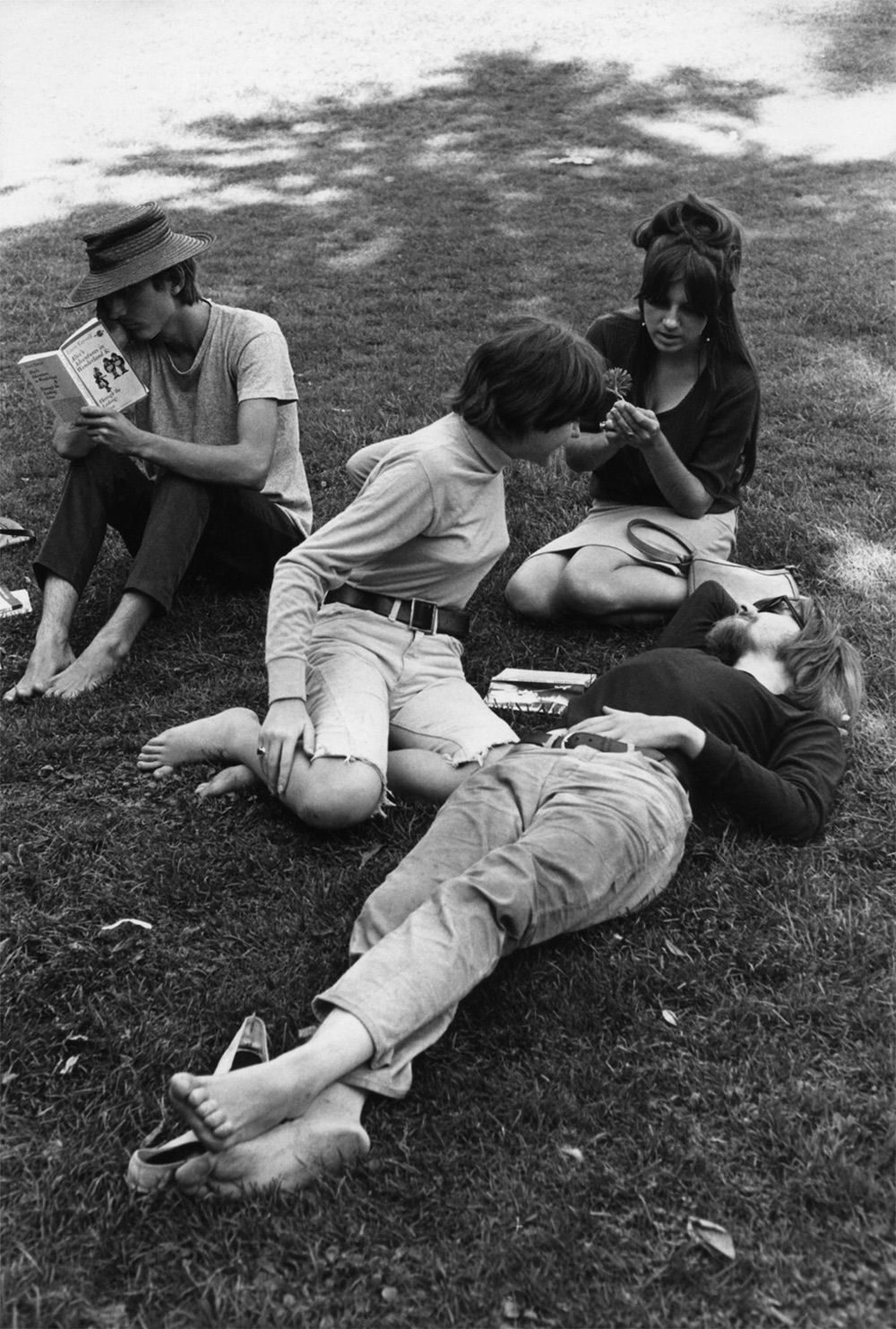
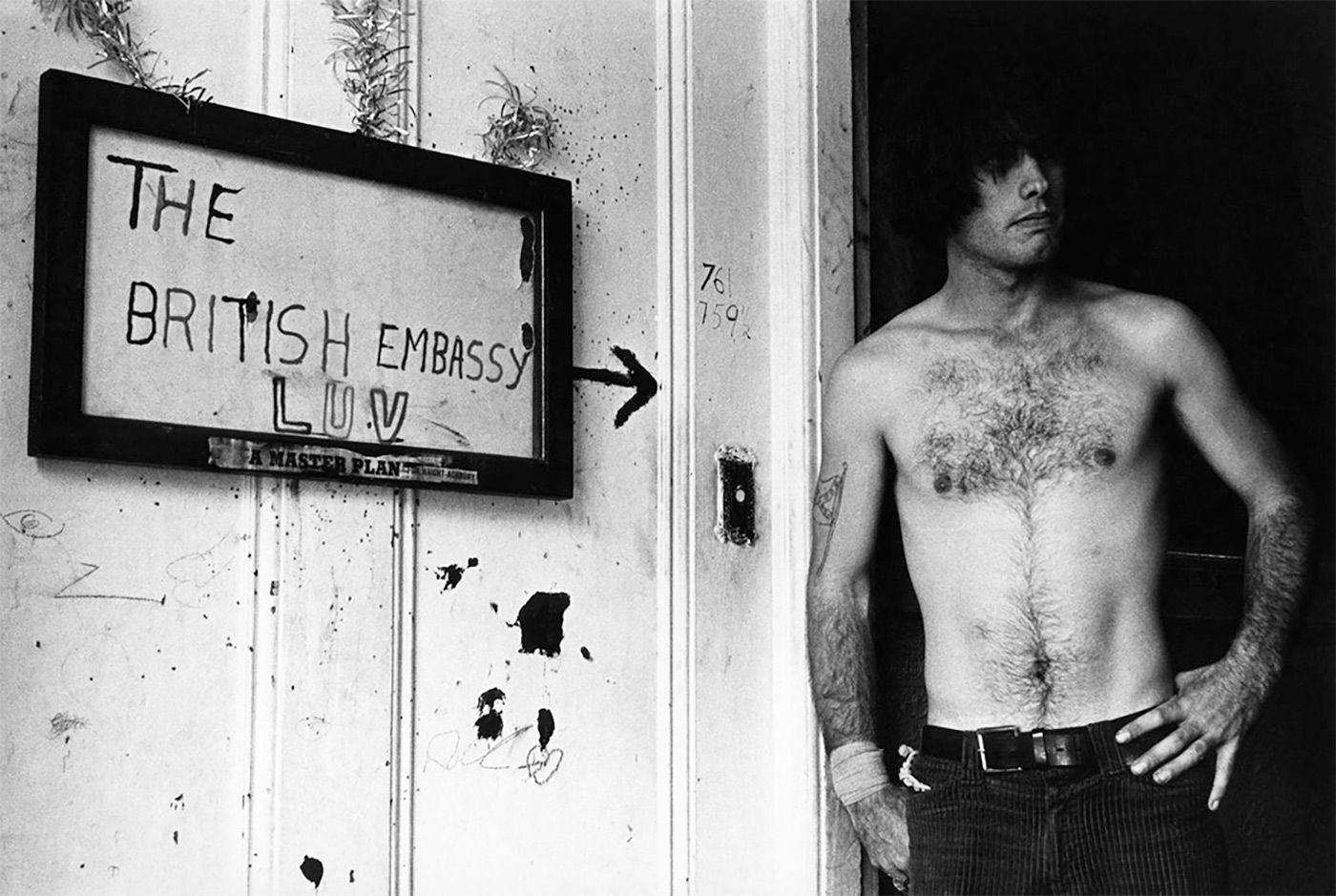
The work of queer photographer William Gale Gedney (1932-1989) went under-appreciated during his lifetime, which was cut short by AIDS, though in recent years his photographs of life in the Haight-Ashbury just before the Summer of Love have resurfaced thanks to a 2021 book of his work.
It’s not often that gay people get glimpses of their forebears from the years before the first Gay Liberation Marches and Pride parades. The 2020 book Loving: A Photographic History of Men in Love uses found photography to document gay romances from the 1850s to the 1950s, with some of the photographs more obviously and indisputably gay than others.
But many younger queer people may have a hard time imagining queer lives existing before they splashed out into the media with events like the Stonewall Rebellion in New York in 1969 — or the earlier, much less well documented Compton’s Cafeteria Riot in the summer of 1966 in SF’s Tenderloin.
William Gedney, taking some inspiration from the work of Walt Whitman, was drawn to documenting the lives of everyday people, and celebrating the architecture of the Brooklyn Bridge, which he did in a series of works in the late 1950s. He was friends with photographer Diane Arbus, who reportedly tried to get him to take over teaching her classes at Cooper Union. At age 34, in 1966, Gedney was established enough in his career as a photographer that he received a Guggenheim Fellowship. He used the money to take a cross-country journey that landed him in San Francisco in October 1966.
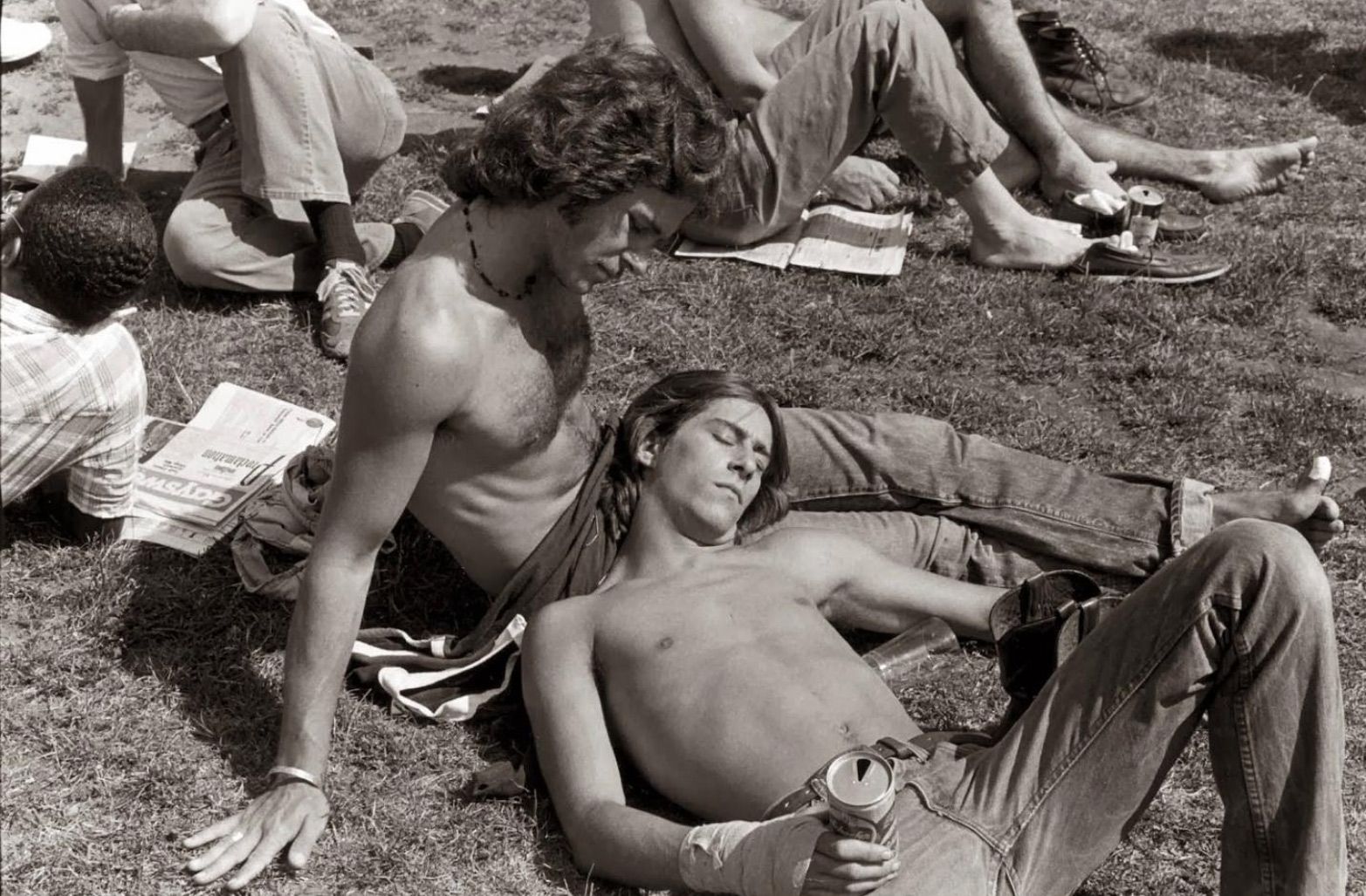
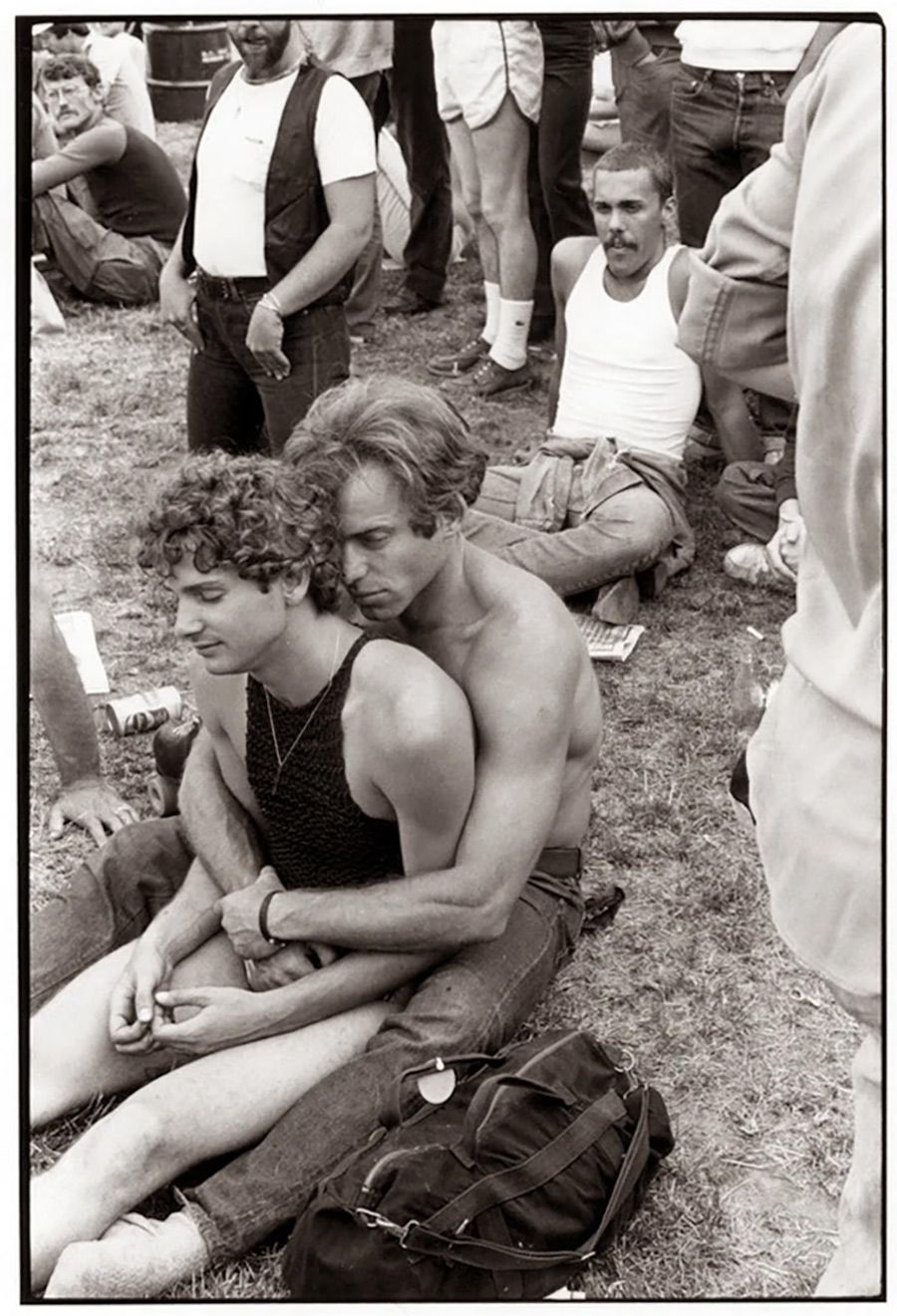
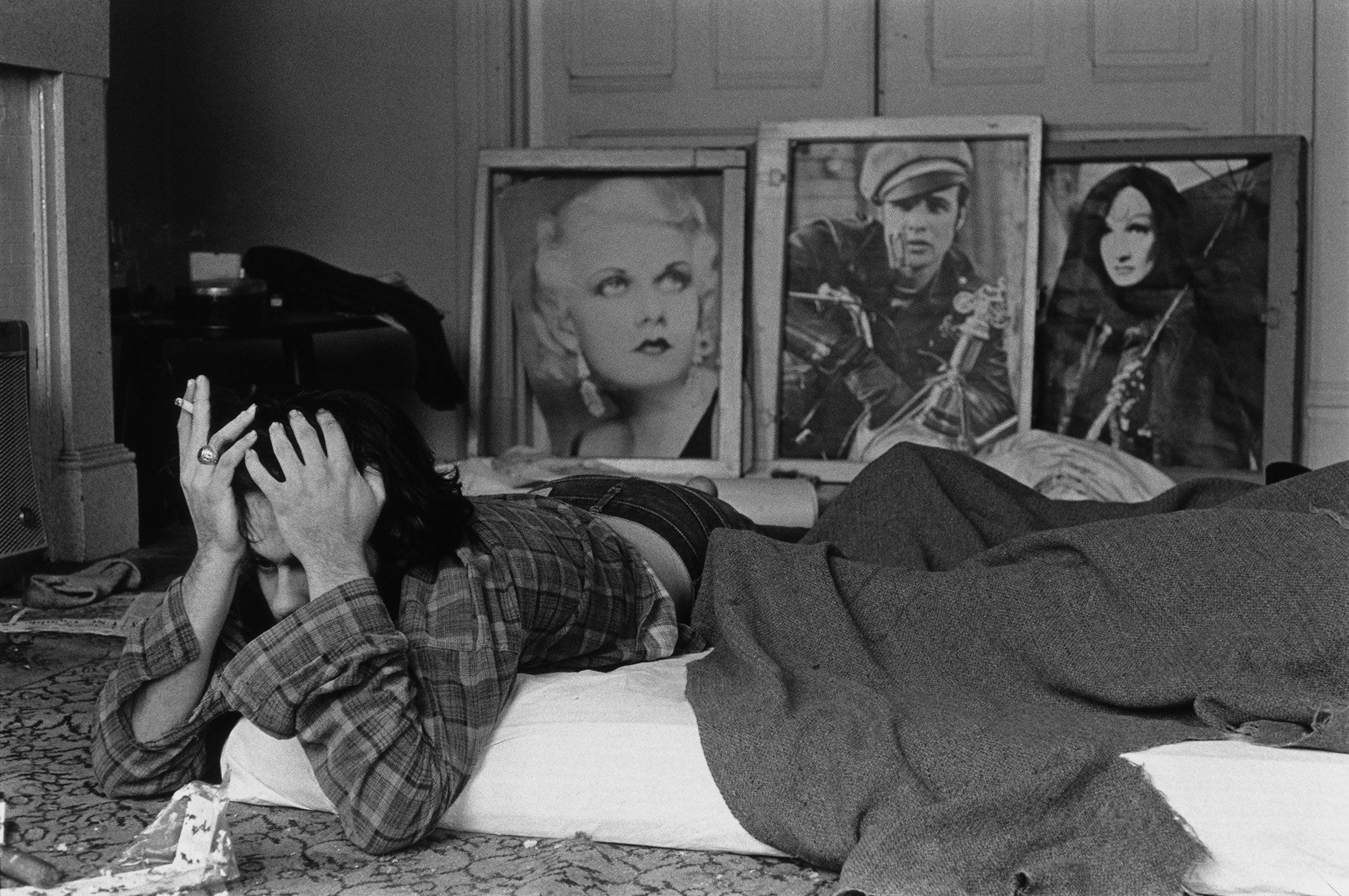
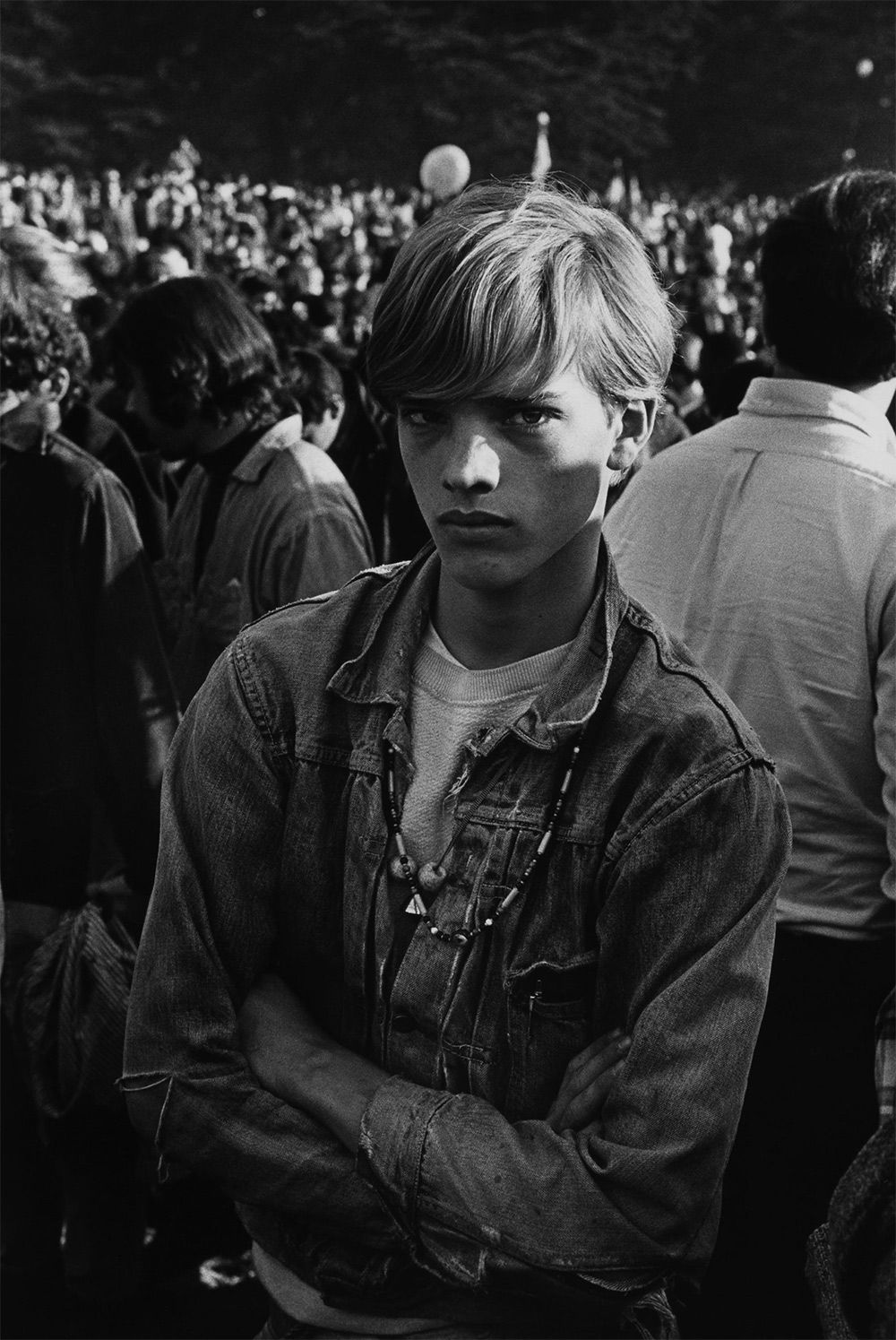
His series of photos from his six months in SF were taken partly in a communal house called “The Pad” that he landed in in the Haight, not far from the Grateful Dead’s house. They show glimpses of out gay men in both public and private spaces, being affectionate and open. One photo in particular depicts two shirtless men in a park — presumably Golden Gate Park — with one lying with his head in the other’s lap.
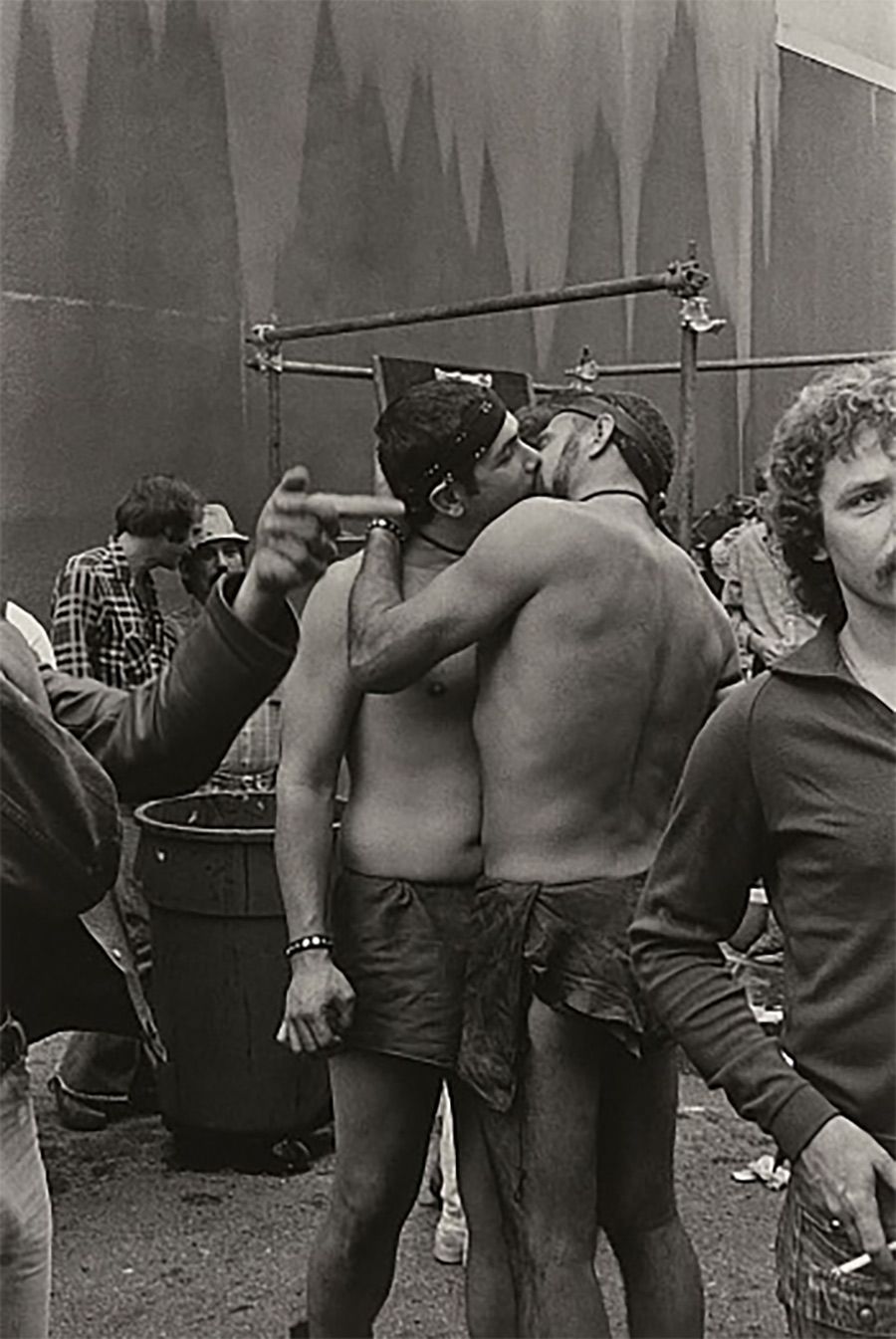
Another shows a shirtless man embracing a younger man, sitting at what might have been an outdoor concert in a park. And another captures a moment of two men kissing at what appears to be a party or the outdoor area of a leather bar. Taken together, they are dispatches from a queer history in SF that was not well photographed, by a man who himself kept a low profile, and may not have been very “out” in his lifetime.
Gedney would soon return to New York, and by 1969, when Stonewall happened, he was a professor of photoraphy at the Pratt Institute, where he would remain employed until the time of his death — he was reportedly denied tenure there in 1987, after 18 years at the school.
He assembled eight books of his own work, none of which were published in his lifetime. One collection published posthumously in 1999, titled What Was True: The Photographs and Notebooks of William Gedney, was some scholars’ first introduction to Gedney’s work.
In 2021, A Time of Youth: San Francisco 1966–1967 was published by Duke University Press. Gedney wrote of the collection that it was “an attempt at visual literature, modeled after the novel form.” Aperture Magazine covered the publication, noting how the photographs serve as “a witness to a time before a time,” those months before the legendary Summer of Love, and “In this way, he was as ahead of his time artistically as the young dropouts and hippies who had arrived on the cusp of the counterculture.”
Gedney was friends with queer composer John Cage, whose comment about the subjects of the photographs is included in the text, “They seem to be doing happy things sadly, or maybe they’re doing sad things happily.”
Below, several more of the images from the collection.