
ChatGPT:
The phrase “the chauffeur as hero” comes from the German philosopher Hermann Keyserling, especially in his book Travel Diary of a Philosopher.
What Keyserling meant
Keyserling was observing a cultural shift in the early 20th century. In earlier times, the admired figure was the heroic leader or aristocrat. But in the modern technological age, he argued, society was beginning to admire a different type of person—the operator of machines.
The chauffeur (driver of the new automobile) symbolized this new figure.
Keyserling’s idea:
- The chauffeur controls powerful technology (the automobile).
- He moves quickly through the modern world.
- He represents skill, speed, and technical mastery rather than wisdom or moral leadership.
But Keyserling’s point was somewhat critical and ironic. He thought modern society was in danger of letting technical competence replace deeper spiritual or intellectual leadership.
In simplified terms:
| Old heroic figure | New “hero” |
|---|---|
| King, warrior, sage | Driver, engineer, technician |
The chauffeur therefore became a metaphor for modern civilization being driven by technical experts rather than philosophers or statesmen.
Why it mattered
Keyserling saw this as part of a broader cultural change after World War I, when machines, industry, and speed seemed to dominate civilization.
His warning was basically:
A society run only by “chauffeurs” (technicians) may move fast but doesn’t necessarily know where it is going.
Later influence
This idea anticipated later critiques of modern technological society by thinkers such as:
- José Ortega y Gasset
- Martin Heidegger
Both worried about technical control replacing deeper cultural wisdom.
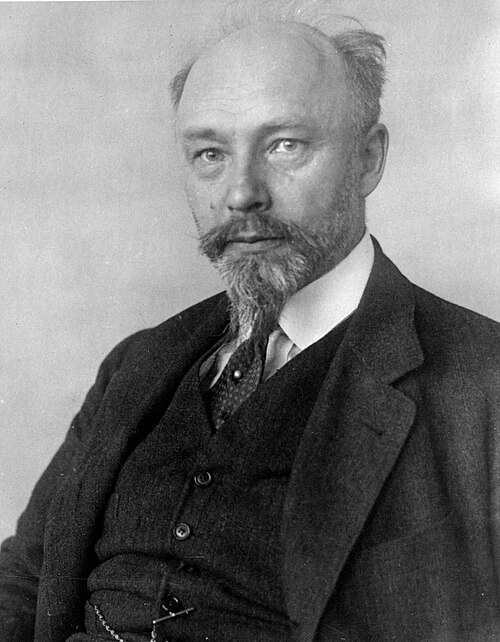
Hermann Alexander Graf von Keyserling was a Baltic German philosopher from the Keyserlingk family. His grandfather, Alexander von Keyserling, was a notable geologist of Imperial Russia. Wikipedia
BornJuly 20, 1880, Kõnnu, Estonia
DiedApril 26, 1946 (age 65 years), Innsbruck, Austria