
Google AI Overview
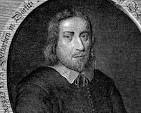
Jacob Boehme was a 17th-century German philosopher, Christian mystic, and theologian, known for his profound influence on Western philosophy and mysticism. He was a cobbler by trade but became a seminal figure in the history of Western esotericism. His writings, particularly Aurora, explored themes of divine revelation, the nature of God, creation, and the origin of evil.
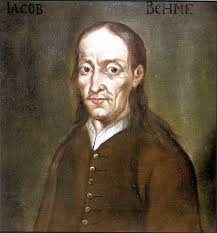
Here’s a more detailed look at Jacob Boehme:
- Mystical Experiences and Writings:Boehme’s philosophical system emerged from his mystical experiences, particularly a vision he had in 1600, which he later elaborated on in his writings.
- Theosophical Ideas:He developed a unique theosophical system, emphasizing the interconnectedness of all things and the potential for human transformation through spiritual awakening.
- Influence:Boehme’s ideas influenced many thinkers, including philosophers like Hegel, Schopenhauer, and Nietzsche, as well as religious movements like the Quakers and German Romantics.
- Controversies:His writings, particularly Aurora, initially faced strong opposition from the Lutheran Church, leading to a period of censorship.
- Key Concepts:Some of his key concepts include the “Ungrund” (the unground or abyss), the “three principles” (light, darkness, and desire), and the importance of overcoming the “will” to achieve union with God.
- “The Supersensual Life”:According to this YouTube video, this concept emphasizes the need to transcend the limitations of the senses and the ego to experience divine reality.
- “The Signature of All Things”:This work explores how the divine is reflected in all of creation.
- Legacy:Boehme’s work continues to be studied and admired for its depth, complexity, and enduring relevance to spiritual seekers.