
A.Word.A.Day with Anu Garg
rashomon
PRONUNCIATION:
MEANING:
adjective: Relating to differing accounts or subjective interpretations of an event.
ETYMOLOGY:
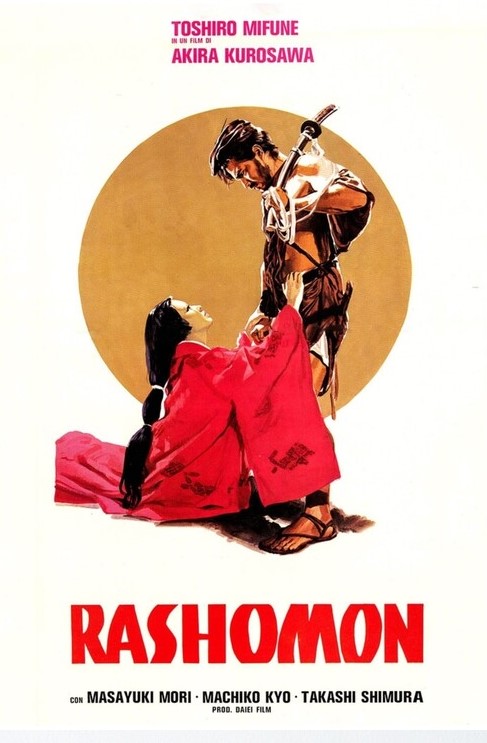
After the 1950 Japanese film Rashomon (based on Ryunosuke Akutagawa’s 1922 short story “In a Grove”) which showed a crime described by different people in different ways. Earliest documented use: 1961.
NOTES:
In the film Rashomon, four people (a bandit, a samurai, his wife, and a woodcutter) narrate the details of a crime differently. Their stories are plausible, yet contradictory. The film touches upon the unreliability of eyewitnesses and the subjective nature of truth, reality, and memory. This phenomenon is also known as the Rashomon effect. The traditional story of the elephant and six blind men is another instance of this. It’s good to remember this the next time we feel too confident in our beliefs, perceptions, and experiences. Ultimately, we all can be unreliable narrators.
USAGE:
“The rashomon stories recounting the death of Jhondie Maglinte Helis are typical of the Philippines’ war on drugs under President Rodrigo Duterte. … The officers say they shot and killed the pair after both of them drew guns in an attempt to resist arrest. Civilian witnesses tell a different, if depressingly familiar, story: that the officers captured and summarily executed [them].”
Silenced Witness; The Economist (London, UK); Jun 26, 2021.